Missing teeth can affect chewing, speech, appearance, and the stability of the remaining dentition. Dental Implants are one method of replacing missing teeth, but deciding to have implant treatment involves much more than selecting an implant brand or comparing the initial price.
For patients in Fursungi, Pune, Maharashtra, a well-informed implant decision should consider bone condition, gum health, medical history, prosthetic planning, maintenance, and the experience required for both surgical placement and final restoration.
Understand What an Implant Replaces
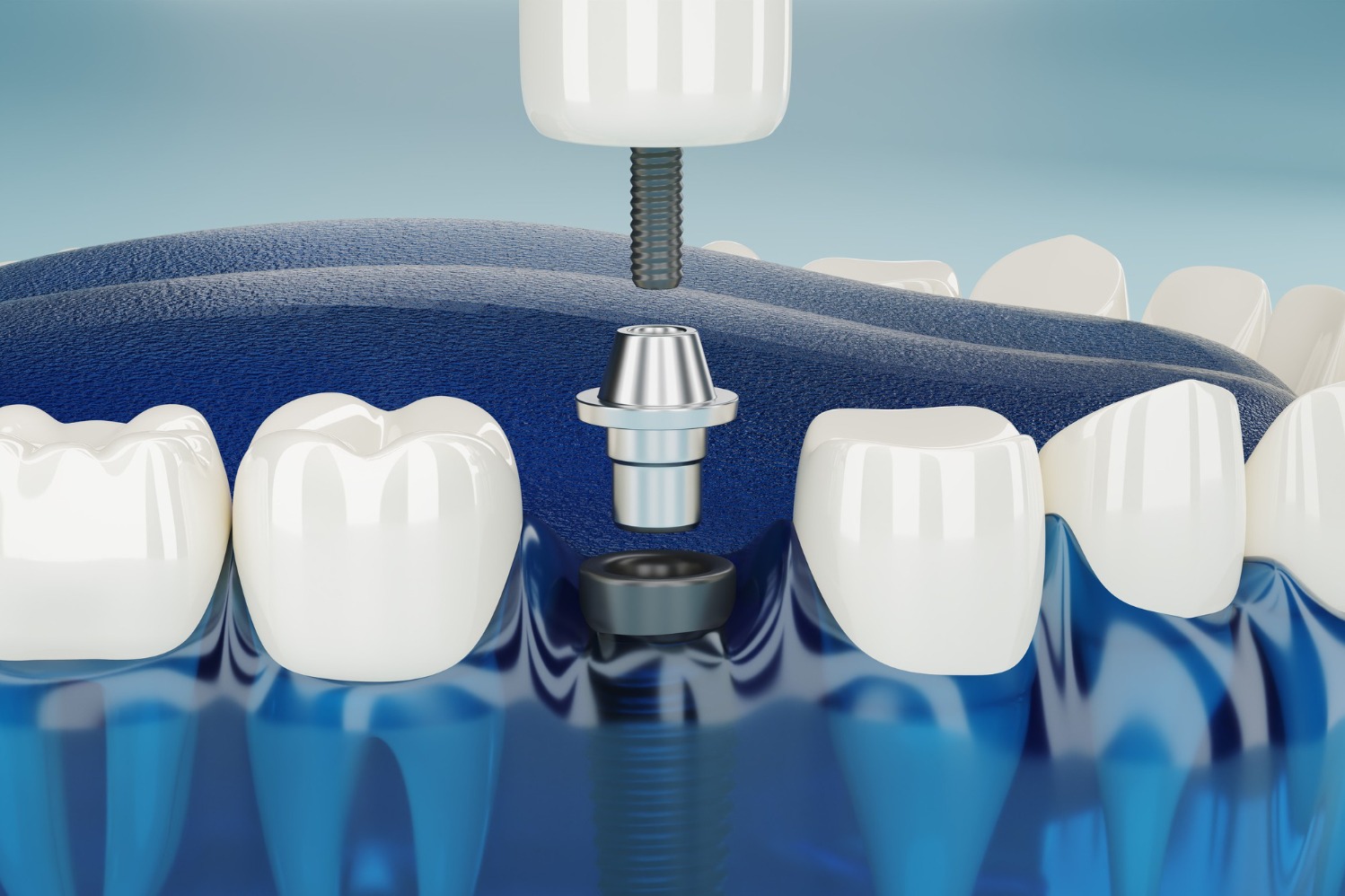
A dental implant is placed within the jaw to support a replacement tooth or prosthesis. It is not itself the visible tooth.
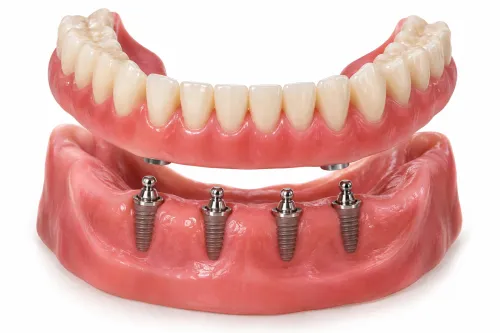
Depending on the clinical situation, implants can support:
- A single replacement crown
- A bridge replacing several teeth
- A removable overdenture
- A fixed full-arch dental prosthesis
The treatment design should begin with the final restoration in mind.
Check Whether You Are Ready for Implant Treatment
Implant suitability is assessed individually.
Important considerations may include:
- Available jawbone
- Gum health
- Location of anatomical structures
- General medical history
- Smoking habits
- Oral hygiene
- Existing bite forces
- Number and location of missing teeth
- Space available for the final restoration
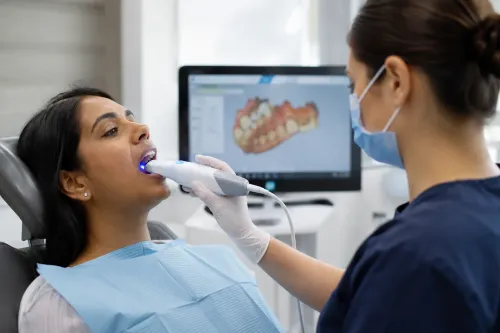
Three-dimensional imaging may be advised in appropriate cases to assess the jaw and plan implant positioning.
Bone Quantity Can Affect the Plan
After tooth loss, the jawbone can gradually change. Some patients have sufficient bone for implant placement, while others may require additional procedures depending on the proposed implant position.
This should be identified during planning rather than treated as an unexpected detail later.
Not every bone deficiency requires the same solution. The approach depends on the site, severity, anatomy, and restorative objective.
Ask About the Final Tooth Before Surgery
Implant treatment should not be planned as surgery in isolation.
The position of the future crown, bridge, or denture influences where implants should ideally be placed. This coordination is particularly important when multiple implants or front teeth are involved.
Patients can ask who is planning the surgical and prosthetic phases and how these stages are coordinated.
Understand Maintenance Requirements
Implants cannot develop cavities, but the tissues around them can develop inflammation and disease.
Daily plaque control, interdental cleaning, professional reviews, and monitoring remain necessary.
People who grind their teeth may also require consideration of excessive bite forces.
Evaluate the Entire Treatment Journey
When comparing implant providers, look beyond a headline package price. Ask what diagnostic imaging is required, what restoration is included, whether additional procedures may be necessary, what maintenance is recommended, and how complications are managed.
At Dr. Panjiar's Multispeciality Dental Centre, implant planning can combine implantology, prosthodontic assessment, and oral surgical considerations according to the complexity of the case.
For patients from Fursungi and nearby Pune areas, dental implants can be a valuable tooth-replacement option when appropriately planned. The strongest treatment decision is based on diagnosis, anatomy, restorative needs, maintainability, and long-term oral health rather than simply choosing the quickest treatment or lowest quoted price.
An implant is best viewed as one component of a complete dental rehabilitation plan. Careful assessment before treatment and consistent maintenance afterward are what help make that plan practical for the years ahead.
Keywords