A loose lower denture can make eating and speaking frustrating. Some patients repeatedly use denture adhesive yet still experience movement because the underlying jaw ridge no longer provides adequate support. In selected cases, implant Overdentures can provide additional retention by allowing a removable denture to connect to dental implants.
For patients in Koregaon Park, Pune, Maharashtra, this option is worth understanding when conventional dentures no longer provide satisfactory stability.
How an Implant Overdenture Differs
A conventional removable denture relies primarily on the gums, underlying ridge, and other anatomical factors for support and retention.
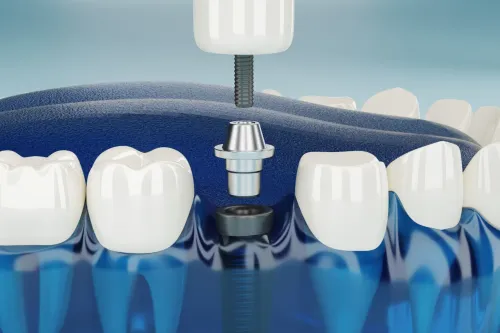
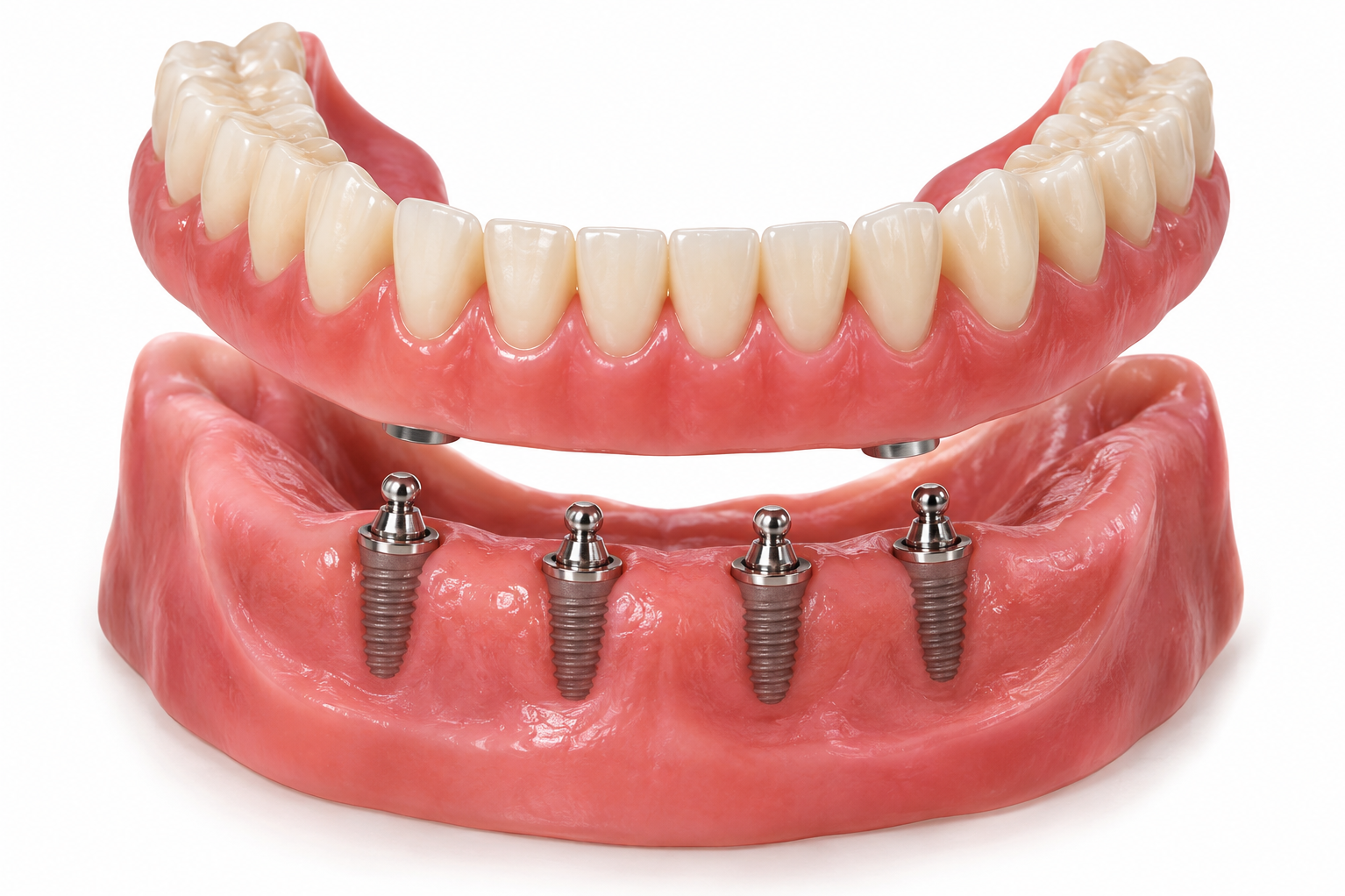
An implant overdenture remains removable, but it gains additional stability through implants placed in the jaw.
The exact number and position of implants depend on the jaw, available bone, prosthetic design, medical factors, and treatment objectives.
Who May Consider This Approach
Implant overdentures may be evaluated for people who:
- Have lost all or most teeth in an arch
- Struggle with a loose conventional denture
- Experience difficulty chewing because of denture movement
- Have adequate conditions for implant placement
- Want improved retention while retaining a removable prosthesis
- Can maintain the required oral hygiene
Implants are not automatically suitable for everyone. Medical history, medications, smoking, gum health, bone availability, and ability to maintain the prosthesis need consideration.
Removable Does Not Mean Maintenance Free
One advantage of an overdenture is that the prosthesis can be removed for cleaning. However, both the denture and the implant components require regular care.
Attachments can wear with use and may eventually need maintenance or replacement.
Patients also need periodic assessment of the implants, gums, bite, denture base, and attachment system.
What About Fixed Implant Teeth
Some patients initially assume that implants always mean fixed teeth.
Fixed implant-supported restorations and removable implant overdentures are different treatment concepts. Each has its own requirements, maintenance considerations, cost implications, and suitability criteria.
A removable overdenture can be an effective solution for a patient who wants more stability than a conventional denture without necessarily choosing a fully fixed restoration.
Planning Comes Before Implant Placement
Successful treatment starts with prosthetic planning. The desired tooth position, bite, available space, jaw relationship, and future denture design should influence implant placement.
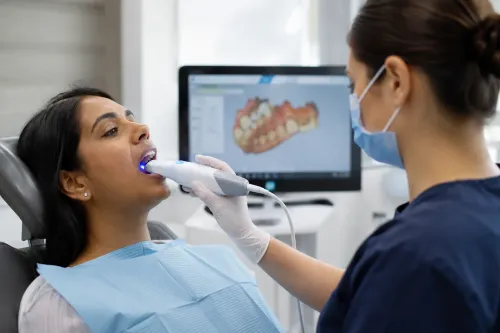
Imaging and clinical assessment may be required to evaluate bone and anatomical structures before surgery.
At Dr. Panjiar's Multispeciality Dental Centre, patients considering implant-supported removable teeth can be assessed from both surgical and prosthodontic perspectives.
For people around Koregaon Park and Pune who are tired of managing an unstable denture, implant overdentures may provide a practical middle ground between conventional removable dentures and fixed implant-supported rehabilitation. The right choice depends on anatomy, health, expectations, maintenance capability, and the long-term restorative plan rather than simply the number of implants used.
Keywords