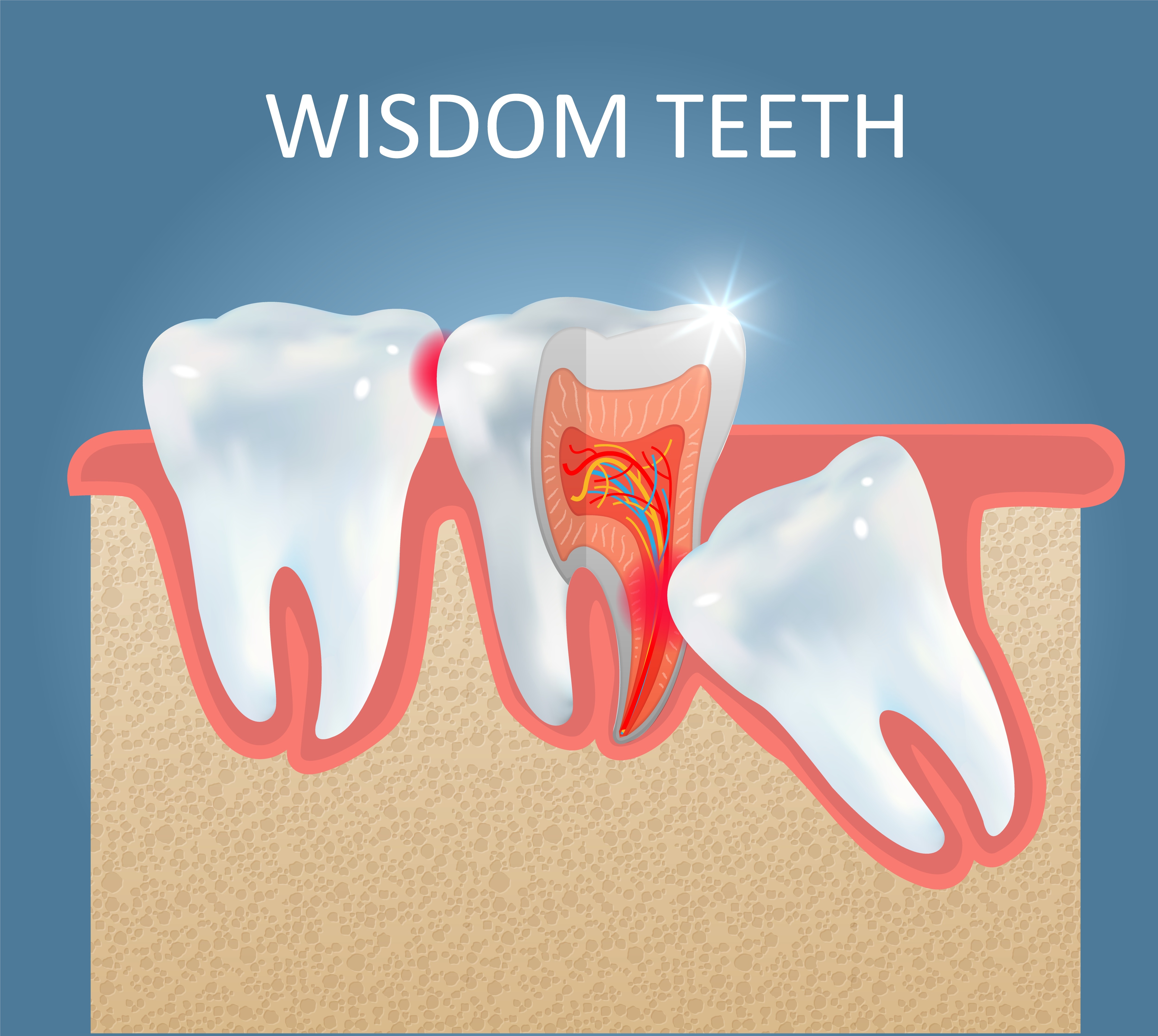
Wisdom teeth do not automatically need extraction simply because they are present. Some erupt normally, remain healthy, and can be cleaned effectively. Others become partially erupted, impacted, decayed, infected, or positioned in ways that repeatedly cause problems. Wisdom tooth removal is therefore a clinical decision based on symptoms, examination, and imaging rather than age alone.
For patients in NIBM, Pune, Maharashtra, recognising the signs that warrant an assessment can help prevent recurring episodes from being repeatedly managed without addressing their underlying cause.
Warning Signs That Need Attention
A wisdom tooth evaluation may be appropriate when you experience:
- Repeated swelling behind the last molar
- Pain around the back of the jaw
- Difficulty opening the mouth during flare-ups
- Food repeatedly getting trapped near the tooth
- Gum inflammation around a partially erupted tooth
- Decay in the wisdom tooth
- Damage affecting the neighbouring molar
- Unpleasant taste associated with local infection
Partially erupted lower wisdom teeth can sometimes create a gum flap where food and bacteria collect. Recurrent inflammation in this region is commonly called pericoronitis.
Why Dental Imaging Matters
The visible part of a wisdom tooth does not show the complete picture.
Dental imaging helps assess the tooth's angle, root shape, depth, relationship to nearby teeth, surrounding bone, and important anatomical structures.
Lower wisdom teeth can lie close to nerves within the jaw. Evaluating this relationship is an important part of surgical planning.
Simple Extraction and Surgical Removal Differ
A fully erupted wisdom tooth with straightforward access may sometimes be removed similarly to another tooth.
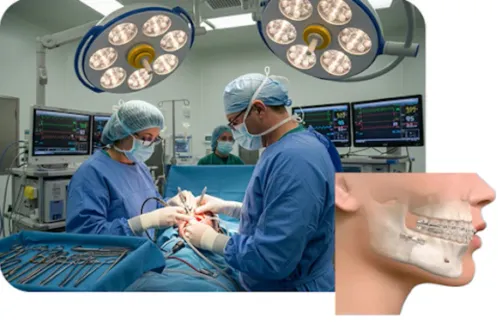
An impacted tooth can require a surgical approach. Depending on its position, gum tissue may need to be accessed and a small amount of surrounding bone may be managed. The tooth may also be divided into sections to facilitate controlled removal.
The dentist or oral surgeon can explain the expected procedure after examining the tooth and its imaging.
What Makes a Provider Ready for Your Case
When choosing where to have a wisdom tooth evaluated, look for a process that includes diagnosis, appropriate imaging, discussion of the tooth's position, anaesthesia planning, and clear postoperative instructions.
Patients should understand why removal is being recommended and what alternatives exist if immediate surgery is not necessary.
Preparing for Recovery
Following the postoperative instructions can help support healing. Patients may be advised about diet, oral hygiene around the site, prescribed medicines, and activities to avoid temporarily.
Some swelling and discomfort can occur after surgical removal. The expected recovery depends partly on the complexity of the extraction.
At Dr. Panjiar's Multispeciality Dental Centre, oral and maxillofacial assessment can help determine whether a problematic wisdom tooth requires monitoring, routine extraction, or surgical management.
For residents around NIBM and neighbouring Pune areas, repeated pain from the same wisdom tooth deserves more than temporary relief. A proper assessment can clarify the tooth's position, identify associated problems, and determine whether removal is clinically justified.
Keywords