Bleeding, swollen or receding gums are not all emergencies, but they are not symptoms to dismiss until pain appears. You will learn how to judge the urgency, what a dental examination measures, and how dentists decide between preventive care, deep cleaning and surgical treatment.
Key takeaways
- Book an appointment for repeated bleeding, swelling, recession or gum tenderness.
- Seek urgent dental care for loose teeth, pus, severe pain or facial swelling.
- A periodontal exam measures gum pockets, recession, bleeding and bone loss.
- Professional cleaning treats early disease; advanced damage may require periodontal surgery.
Which gum symptoms need an appointment, urgent care or emergency help?
A brief episode of bleeding after vigorous brushing can reflect irritated tissue. Healthy gums should not repeatedly bleed during gentle twice-daily brushing and interdental cleaning.
| Symptom pattern | What to do | Why it matters |
|---|---|---|
| Bleeding gums once after vigorous brushing, then settling | Monitor while cleaning gently | Irritated tissue can bleed briefly |
| Persistent bleeding, swollen gums, tenderness, bad breath or recurring bad taste | Book a routine dental examination | These signs fit inflammation and possible gum infection |
| A lump beside one tooth, pus, severe pain, painful chewing or rapid worsening | Seek an urgent dental appointment | The gum abscess and gingivitis distinction matters: gum abscesses and pus can indicate a localized dental or periodontal abscess rather than plaque-related gingivitis |
| Facial or neck swelling, fever, or inability to open your mouth normally | Obtain same-day urgent care | Infection may be spreading beyond the gum |
| Difficulty breathing or swallowing | Get emergency help immediately | Swelling can threaten the airway |
Do not rely on mouthwash alone when swelling or pus is present. Arrange assessment even when bleeding is painless; waiting for pain can allow gum disease to progress. Pregnancy can increase gum sensitivity, but persistent bleeding still deserves examination.
If diabetes is poorly controlled or gum infections recur, tell both your dentist and doctor because each condition can worsen the other.
What bleeding, recession and loose teeth reveal about gum disease
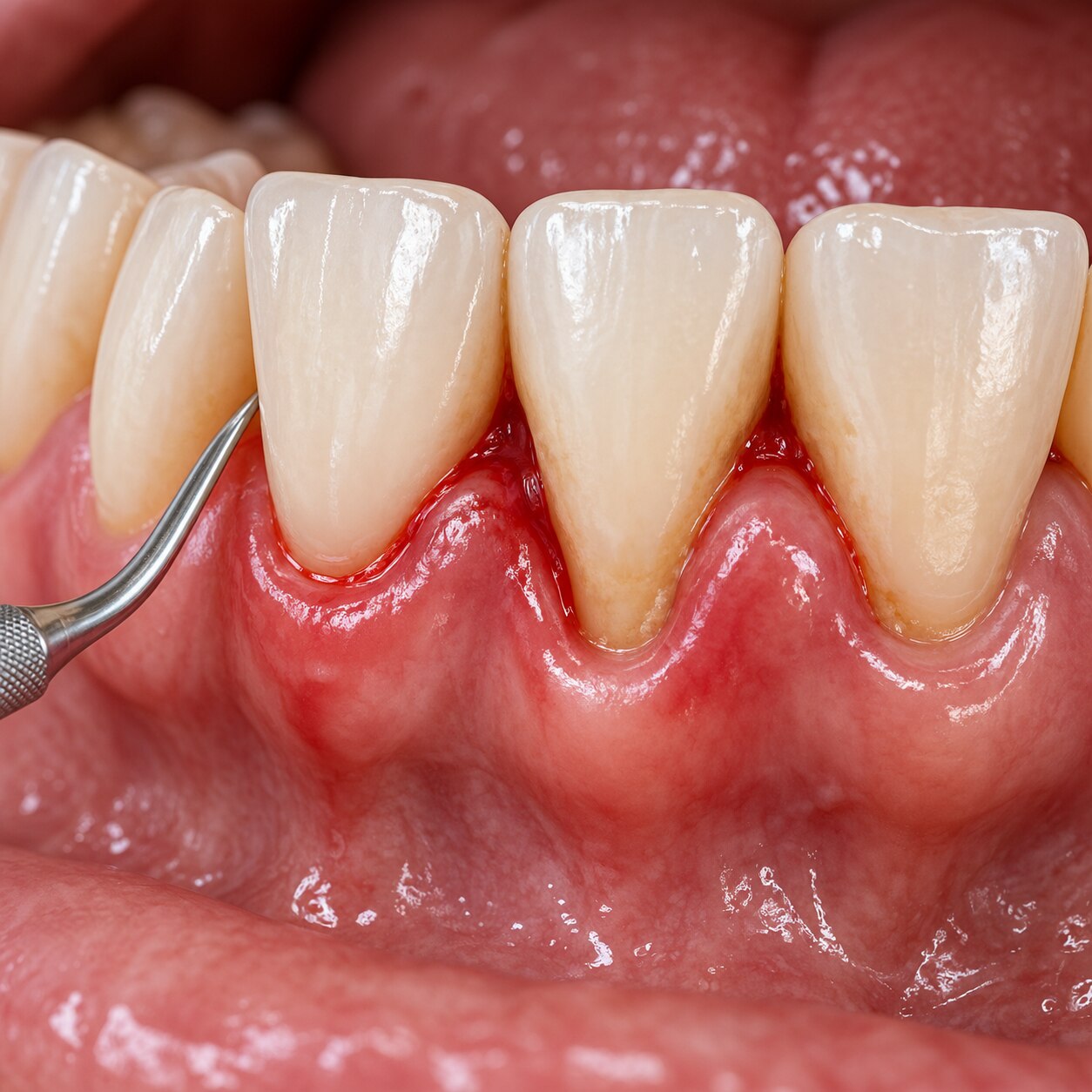
Bleeding, receding gums and loose teeth can signal inflammation, lost support or another dental problem, but no single sign proves a diagnosis. Gingivitis affects gum tissue alone and often improves after professional plaque removal and effective home care. Periodontitis destroys attachment and supporting bone, which better brushing cannot rebuild.
Painless bleeding still matters because inflammation can progress before pain appears. Smoking can reduce visible bleeding by constricting blood vessels, while periodontal damage continues underneath.
Receding gums expose the root, cause sensitivity and make a tooth look longer. The gum recession causes and treatment decision belong together: causes include periodontal disease, traumatic brushing, tooth position, thin gum tissue and local trauma. Recession does not normally grow back, but surgery is not automatic.
Dentists first control inflammation and contributing factors, then consider root-coverage grafting for persistent sensitivity, progressive loss, difficult plaque control or cosmetic concern.
Report these findings because they can indicate compromised support or a separate dental problem:
- A loose tooth can reflect attachment and bone loss, although injury or another tooth-related condition can also cause mobility.
- Painful chewing can indicate weakened support, a cracked tooth, an abscess or another problem requiring examination.
- Persistent swelling, tenderness, bad breath or a recurring bad taste needs assessment even without pain.
Diabetes and periodontitis influence each other: poorly controlled diabetes raises susceptibility, while periodontal inflammation can complicate glucose control. Pregnancy hormones can intensify plaque-related gum inflammation and bleeding; do not dismiss it as normal—examination and preventive dental care remain important.
How a dentist confirms gum disease and measures its extent
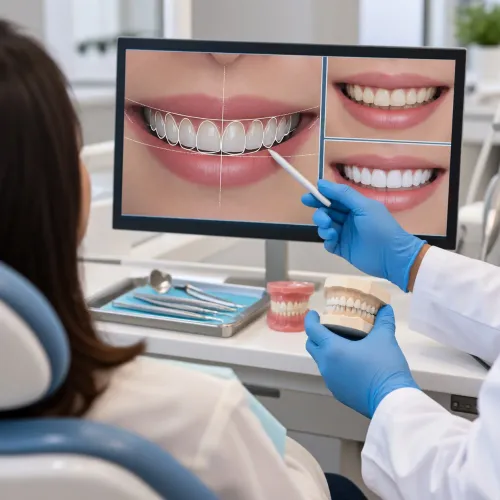
A dentist confirms gum disease by combining your history with a full periodontal assessment, not by counting bleeding alone. Tell them about tobacco use, diabetes control, pregnancy, medicines, previous gum treatment, and symptoms such as bleeding, swelling, bad taste, sensitivity or loose teeth; these details help set urgency and explain risk.
The periodontal examination findings include:
- Periodontal probing around each tooth, recording gum pocket depth and bleeding points.
- Gum recession measurements and the level of gum attachment.
- Tooth mobility, the bite, and whether chewing forces may be traumatising a tooth.
- Plaque and tartar deposits, including areas you cannot clean effectively.
Shallow, cleanable areas that bleed point toward inflammation. Deeper pockets that retain plaque or calculus raise concern for attachment loss and periodontitis, but no single number proves the diagnosis. Localized disease affects selected teeth or one area; generalized disease involves many sites.
Dental X-rays show supporting bone loss and may reveal another source of symptoms, but they do not replace clinical probing. The dentist must also distinguish generalized inflammation from a one-tooth abscess, traumatic recession, or a tooth-related problem. A localized lump, pus or rapid worsening raises urgency even when other gums appear healthy.
When cleaning is enough and when periodontal surgery enters the discussion
Routine professional dental cleaning is enough when deposits sit above the gumline and the assessment finds no deep pockets. When plaque and calculus extend below the gumline, scaling and root planing, also called deep periodontal debridement, cleans those areas and disrupts contaminated root-surface deposits.
| Option | What it treats | What happens next |
|---|---|---|
| Professional dental cleaning | Deposits above the gumline | Maintain daily plaque control and scheduled reviews |
| Scaling and root planing | Below-gumline plaque, calculus and contaminated root surfaces | Reassess after healing for residual deep pockets |
| Periodontal flap surgery | Deep areas that remain inaccessible or infected after nonsurgical treatment | Lift the gum for direct cleaning and possible bone treatment |
Reassessment after healing decides whether residual deep pockets need further periodontal treatment. Systemic antibiotics are not a substitute for debridement; use them only for selected infections or specific periodontal situations identified by the treating dentist.
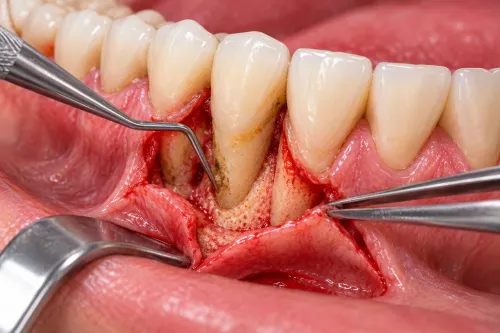
Periodontal flap surgery uses local anaesthetic. The gum is lifted, calculus and infected tissue are removed, root surfaces are smoothed, bone treatment may be performed, and sutures are placed.
Periodontal surgery recovery involves following site-specific brushing restrictions, choosing soft foods, managing swelling or bleeding, attending suture removal, and returning for maintenance visits. Ask for the exact protocol, restrictions and review schedule; recovery instructions are not universal.
Dr. Panjiars Dental Clinic can help you discuss whether examination findings call for nonsurgical treatment, periodontal surgery or maintenance, rather than choosing a procedure from symptoms alone.
Related service
Gum Health & Periodontal Flap Surgery Treats gum infections and deep pockets Restores healthy gum structure Prevents tooth loss and bone damage Promotes long-term oral hygiene and... View service → |
What to do before the appointment and how to prevent progression
Keep brushing gently twice a day and clean between your teeth, even if the gums bleed. Stopping allows plaque to remain and inflammation to progress. Book a routine appointment when bleeding, swelling, tenderness, bad breath or recession persists.
Seek urgent care for swelling around one tooth, pus, fever, severe pain, painful chewing or rapid change. Facial or neck swelling, difficulty swallowing or difficulty breathing needs same-day emergency care.
Bring these details to the appointment:
- Medicines, medical conditions, tobacco use, pregnancy status, diabetes readings or recent changes
- The first date you noticed bleeding or recession
- Any loose teeth, bad taste, sensitivity or previous gum treatment
Ask which teeth have bleeding pockets, whether X-rays show bone loss, whether disease is localized or generalized, which brushing technique and interdental brush size suit you, and when reassessment is due.
Smoking and periodontal disease are closely linked: stopping tobacco improves treatment response, even though smoking can hide bleeding while disease progresses. Diabetes and gum disease also interact; better glucose control supports periodontal care, while inflammation can make control harder.
Pregnancy gingivitis and dental care should not be separated: hormonal sensitivity can increase bleeding, but examination and preventive care still matter.
| Situation | Action | Reason |
|---|---|---|
| Persistent bleeding | Routine examination | Healthy gums should not repeatedly bleed |
| Pus, fever or severe pain | Urgent dental visit | Possible abscess or advancing infection |
| Breathing or swallowing difficulty | Same-day emergency care | Swelling can threaten the airway |
Maintenance is not a one-time fix. Professional reviews and daily plaque control help catch recurrent inflammation before attachment loss advances.
Frequently asked questions
When do bleeding, swollen or receding gums need an appointment?
Book a dental appointment when bleeding repeats during gentle brushing or interdental cleaning, or when swelling, tenderness, bad breath, recession or loose teeth develops.
When do gum symptoms require urgent or emergency help?
Seek urgent dental care for pus, severe gum or tooth pain, a rapidly growing facial swelling, fever, difficulty swallowing or difficulty breathing. Difficulty breathing requires emergency help.
How does a dentist confirm and measure gum disease?
The dentist checks bleeding and inflammation, measures gum pockets around each tooth, records recession and tooth mobility, and uses dental X-rays when bone loss needs assessment.
When is cleaning enough, and when might periodontal surgery be discussed?
Professional scaling and root surface cleaning can treat early disease when damage is limited. Periodontal surgery enters the discussion when deep pockets, persistent infection, bone defects or exposed roots remain after initial treatment.