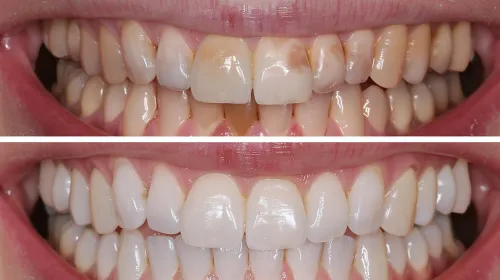
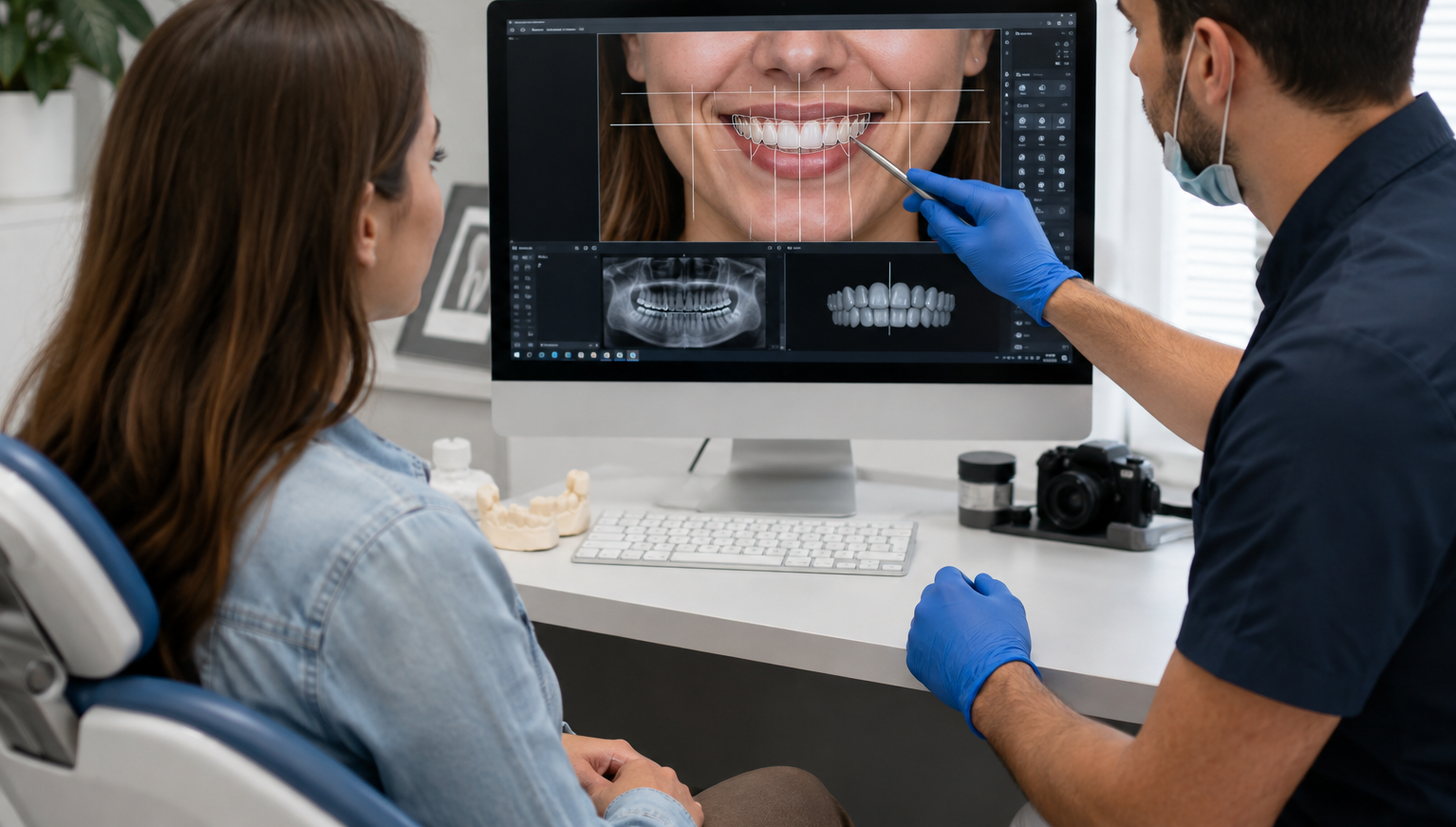
People considering changes to their smile often find it difficult to explain exactly what they dislike. A tooth may appear too short, spacing may be noticeable, the smile may seem uneven, or previous dental work may no longer look natural. digital smile designing can help structure this conversation by allowing dental and facial characteristics to be assessed before treatment decisions are finalised.
For people in Wanowrie, Pune, Maharashtra, this planning approach can be useful when considering aesthetic dental treatment because it shifts the discussion from vague expectations toward measurable features of the smile.
What Smile Planning Examines
A smile is not simply a row of white teeth. Effective aesthetic planning considers how teeth relate to the lips, gums, face, and each other.
The assessment may include:
- Tooth shape
- Tooth proportions
- Smile symmetry
- Gum display
- Midline position
- Tooth colour
- Visible spacing
- Existing restorations
- Lip movement while smiling
- Overall facial relationship
Photographs, scans, and other digital records may be used depending on the planned treatment.
Why Digital Planning Can Be Useful
One of the main advantages is communication.
Patients can explain what they want to change, while the dentist can discuss what is realistically achievable based on tooth structure, gum health, bite, and facial features.
Digital planning can also assist communication between the dentist and dental laboratory when restorations such as veneers or crowns are being considered.
However, a digital design should be viewed as a planning aid rather than an unconditional promise of an identical final result.
Smile Design Does Not Mean Extensive Treatment
A common misconception is that smile designing automatically involves veneers on many teeth.
That is not necessarily the case.
Depending on the concern, treatment could involve whitening, bonding, orthodontic movement, gum management, selected restorations, replacement of missing teeth, or a combination of procedures.
Sometimes conservative treatment is enough to produce the desired improvement.
Function Should Be Assessed Alongside Appearance
A visually appealing treatment should still work comfortably during chewing and speaking.
Before making major cosmetic changes, the dentist may assess bite relationships, tooth wear, gum condition, existing restorations, and habits such as grinding.
Ignoring these factors can compromise the longevity of aesthetic work.
Questions Worth Asking Before Treatment
Patients considering smile enhancement can ask what changes are actually required, whether natural tooth structure needs alteration, how the proposed work may age, and what maintenance will be necessary.
They should also understand whether orthodontic movement could provide a more conservative alternative to restorative treatment in their particular case.
At Dr. Panjiar's Multispeciality Dental Centre, digital planning can be incorporated where appropriate to evaluate aesthetic goals alongside oral health and function.
For patients around Wanowrie and other parts of Pune, digital smile designing can make cosmetic treatment discussions clearer. Its real value is not simply showing an attractive image on a screen. It helps create a more informed plan in which expectations, clinical limitations, treatment options, and long-term maintenance can all be considered before irreversible dental changes are made.
Keywords