
Many adults and teenagers want straighter teeth without prominent conventional braces. Invisible Braces can provide a discreet orthodontic option in suitable cases, but successful treatment depends on considerably more than receiving a series of clear trays.
For people in Malwadi, Pune, Maharashtra, understanding the assessment and commitment involved can help determine whether clear orthodontic treatment matches their needs.
Start With an Orthodontic Assessment
Crowded or spaced teeth are only the visible part of an orthodontic problem. The bite and jaw relationship also matter.
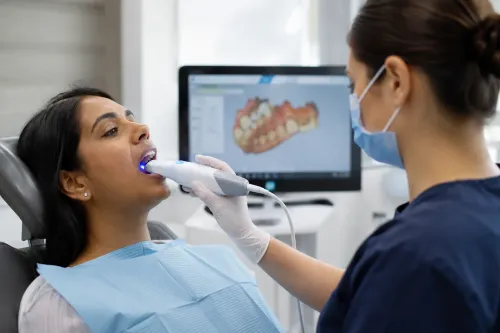
Before treatment, assessment may include photographs, scans, X-rays, bite evaluation, gum health, tooth position, and available space.
This helps determine whether aligner-based treatment is suitable and what tooth movements need to occur.
Understand the Role of Patient Compliance
Removable orthodontic appliances have an obvious advantage. They can generally be removed for meals and oral hygiene.
That advantage also creates responsibility.
If the appliances are not worn for the recommended daily duration, tooth movement may not progress according to the plan. Losing trays or frequently leaving them out can affect treatment efficiency.
Patients who know they will struggle with consistent wear should discuss this before choosing a removable system.
Check What the Treatment Plan Includes
A good consultation should clarify:
- The orthodontic problems being treated
- Expected treatment stages
- Whether attachments are required
- Whether space creation is necessary
- How progress will be reviewed
- What happens if planned movement does not occur
- The role of retainers after treatment
Some cases may require refinements or additional trays as treatment progresses.
Invisible Treatment Still Requires Visible Commitment
Clear appliances can make orthodontics less noticeable, but they do not eliminate the biological time required for teeth to move.
Trying to accelerate movement beyond safe limits is not the objective. Controlled forces and appropriate monitoring remain essential.
Oral hygiene is also important throughout treatment. Aligners are placed over teeth for extended periods, so brushing and interdental cleaning should remain consistent.
Retainers Are Part of the Long-Term Plan
Completing active tooth movement does not mean orthodontic care is finished.
Teeth have a natural tendency to shift after treatment. Retainers help maintain the corrected position while supporting tissues adapt.
Before beginning treatment, patients should understand what type of retention is planned and how long it may need to be used.
Choosing Care Based on Planning
The brand of clear appliance should not be the only factor when selecting treatment. Diagnosis, treatment planning, clinical supervision, patient compliance, and retention all influence the outcome.
At Dr. Panjiar's Multispeciality Dental Centre, orthodontic assessment can determine whether invisible braces are appropriate for an individual's alignment and bite concerns.
For patients from Malwadi and surrounding Pune communities, the best starting point is a detailed assessment rather than choosing an orthodontic system based purely on appearance. Clear treatment can be convenient and discreet, but it works best when both the clinical plan and the patient's daily commitment are aligned.
Keywords