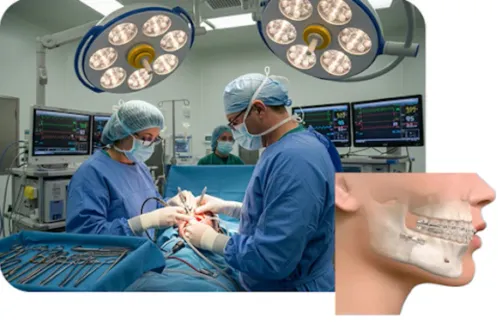
Missing teeth can affect much more than appearance. They may change the way you chew, speak, and even influence the health of neighbouring teeth and jawbone. While several tooth replacement options are available, dental implants have become a preferred solution for many adults because they are designed to provide stability and long-term function.
If you are considering replacing one or more missing teeth, understanding how dental implants compare with other treatment options can help you make an informed decision.
Why Replacing Missing Teeth Matters
Leaving a gap after tooth loss may lead to several oral health concerns over time, including:
- Difficulty chewing certain foods
- Movement of nearby teeth
- Changes in bite alignment
- Gradual jawbone loss
- Altered facial appearance
- Reduced confidence while smiling
Replacing missing teeth early may help minimize these complications.
What Makes Dental Implants Different?
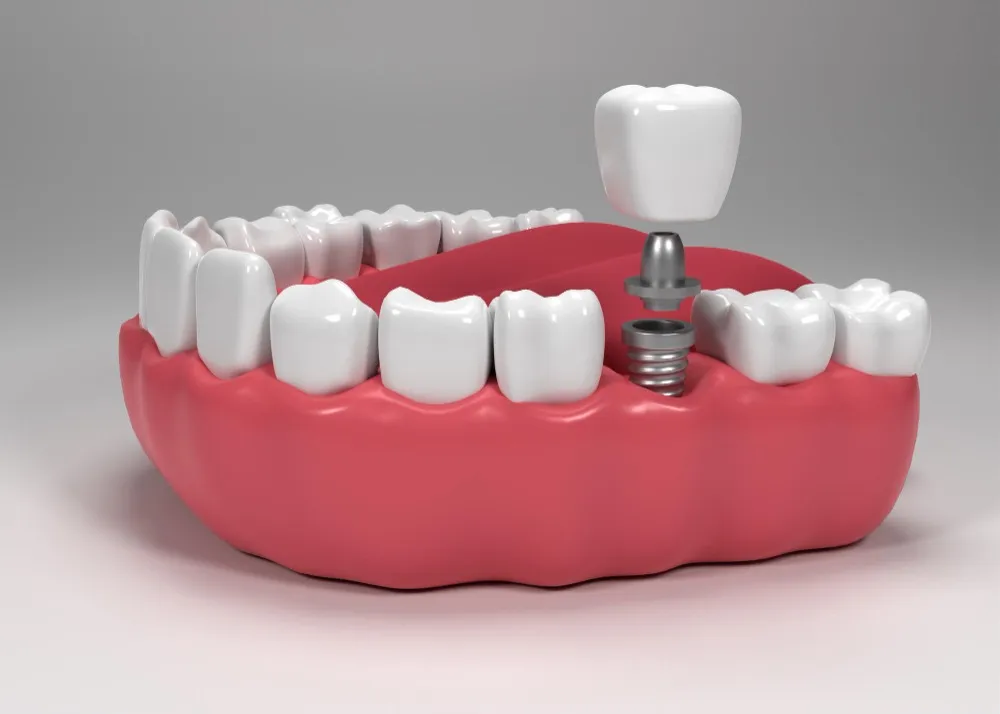
A dental implant is a titanium post that is placed into the jawbone to replace the root of a missing tooth. Once the implant integrates with the bone, it supports a customised crown that closely resembles a natural tooth.
Unlike removable options, implants are fixed in place and function similarly to natural teeth.
Many patients appreciate implants because they:
- Feel stable while eating and speaking
- Preserve jawbone health
- Do not rely on neighbouring teeth for support
- Offer a natural-looking appearance
- Can last for many years with proper care
Who May Be a Suitable Candidate?
Dental implants are not automatically suitable for everyone. A detailed evaluation helps determine whether the treatment is appropriate.
Dentists usually assess:
- Overall oral health
- Gum condition
- Bone quantity and quality
- Medical history
- Lifestyle habits such as smoking
- Number and position of missing teeth
In some cases, additional procedures such as bone grafting may be recommended before implant placement.
How Do Dental Implants Compare with Bridges and Dentures?
Each tooth replacement option has its own advantages.
Dental Implants
- Fixed solution
- Preserves jawbone
- Does not affect adjacent teeth
- Closely resembles natural teeth
Dental Bridges
- Suitable when neighbouring teeth require crowns
- Faster treatment in some situations
- Does not replace the missing tooth root
Removable Dentures
- May replace multiple teeth
- Usually involve a lower initial cost
- Can require periodic adjustments over time
The right option depends on individual clinical needs rather than a single universal solution.
What Happens During Treatment?
The treatment process generally includes:
- Comprehensive dental examination
- Digital scans and imaging
- Personalised treatment planning
- Implant placement
- Healing period for bone integration
- Placement of the final crown
The timeline varies according to each patient's oral condition.
Caring for Dental Implants
Long-term success depends on proper maintenance.
Patients are encouraged to:
- Brush twice daily
- Clean between teeth and implants
- Attend regular dental check-ups
- Schedule professional cleanings
- Avoid tobacco use where possible
- Report any discomfort promptly
Good oral hygiene helps protect both the implant and surrounding gums.
People living in Gondhale Nagar who are exploring options for replacing missing teeth often seek detailed consultations before choosing a treatment. At Dr. Panjiar's Multispeciality Dental Centre, implant treatment begins with a thorough clinical assessment, allowing patients to understand the benefits, limitations, and suitability of dental implants based on their individual oral health goals.
Keywords