Severe tooth pain can disrupt sleep, eating, work, and concentration. When the inner pulp of a tooth becomes inflamed or infected, a Painless Root Canal approach using modern anaesthesia and careful treatment techniques may help preserve the natural tooth while controlling the source of pain.
For patients in Fatima Nagar, Pune, Maharashtra, the more important question is not simply whether a root canal hurts. It is whether the affected tooth can be predictably restored and whether root canal treatment is the appropriate option.
Signs That Need Dental Assessment
Not every toothache requires root canal treatment. Sensitivity may result from decay, gum recession, a cracked filling, exposed dentine, bite problems, or other conditions.
Symptoms that can indicate deeper pulp involvement include:
- Persistent toothache
- Severe pain while biting
- Lingering hot or cold sensitivity
- Swelling near a tooth
- Gum tenderness
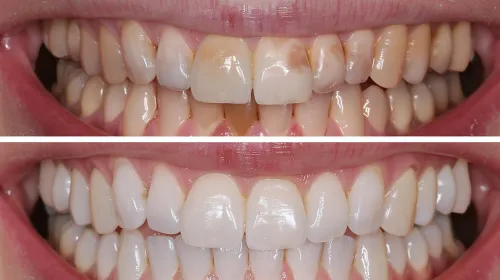
- Discolouration following trauma
- Recurrent pimple-like swelling on the gum
An examination and dental X-ray can help identify the source.
What Happens During Root Canal Treatment
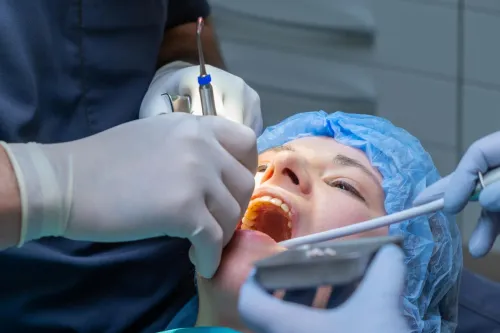
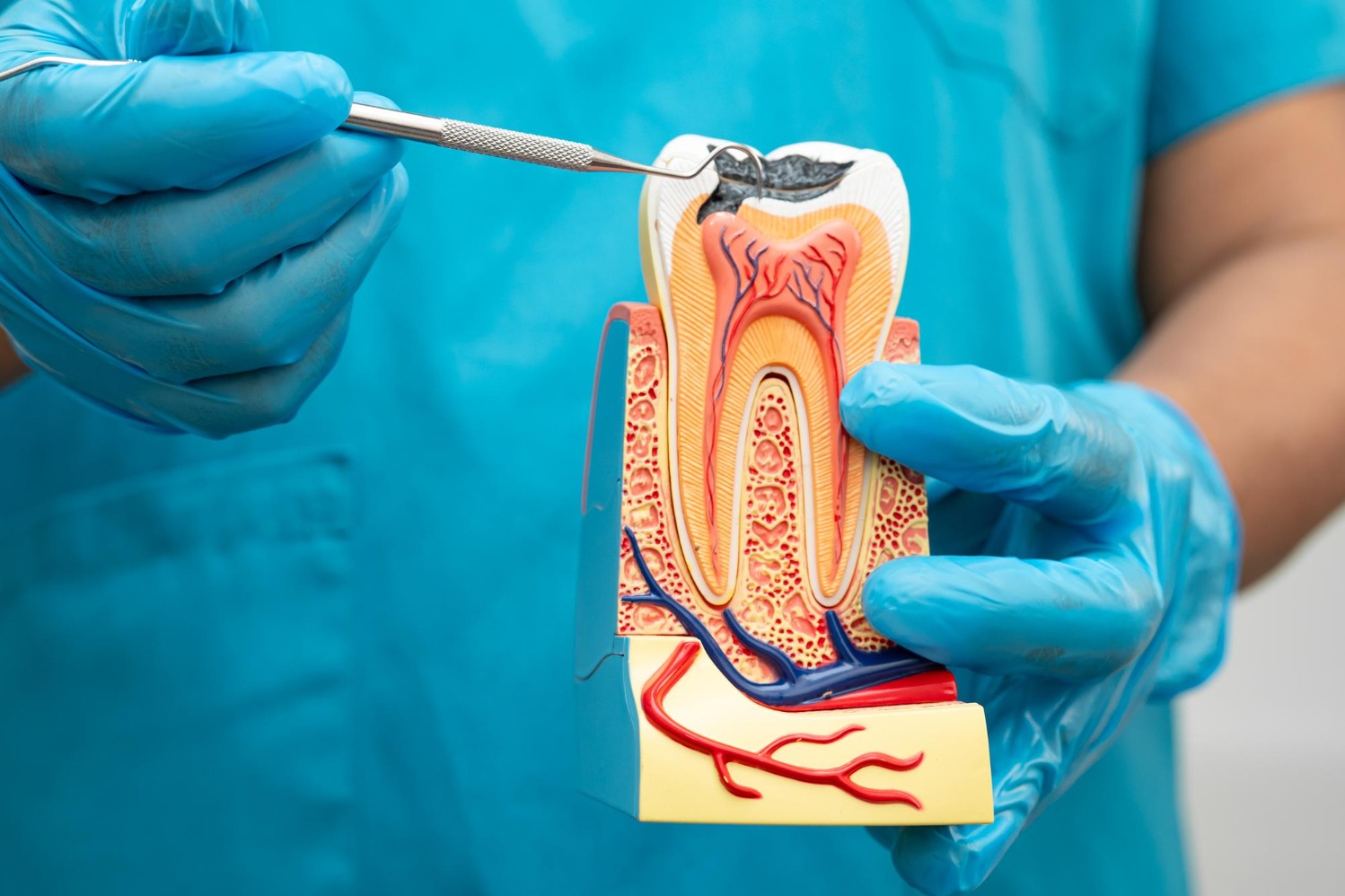
Once the tooth is adequately anaesthetised, an opening is made to access the internal canal system. Inflamed or infected tissue is removed, and the canals are cleaned, shaped, disinfected, and sealed.
Local anaesthesia plays a major role in patient comfort. Modern instruments and diagnostic techniques can also make treatment more controlled than many patients expect based on outdated perceptions of root canal therapy.
Some teeth can be treated in a single appointment, while others require multiple visits depending on infection, anatomy, symptoms, and clinical circumstances.
Root Canal Treatment Compared With Extraction
When a restorable natural tooth has significant pulp damage, patients may sometimes face a choice between saving the tooth and removing it.
Preserving a suitable natural tooth maintains the existing root and avoids creating a new gap. Extraction may still be necessary when a tooth is severely fractured, has inadequate structural support, or cannot be predictably restored.
This decision should be based on prognosis rather than pain alone.
Why the Final Restoration Matters
Root canal treatment addresses the internal problem, but the tooth also needs adequate structural protection afterward.
Teeth with substantial loss of structure may require an appropriate restoration or crown. The type depends on how much healthy tooth remains, the tooth's location, bite forces, and other clinical considerations.
Ignoring the final restoration can leave a weakened tooth vulnerable to fracture.
Making a Better Treatment Decision
Patients evaluating root canal treatment should ask about the diagnosis, restorability of the tooth, number of expected appointments, final restoration, and follow-up care.
At Dr. Panjiar's Multispeciality Dental Centre, these factors can be assessed before deciding whether endodontic treatment is appropriate.
For residents of Fatima Nagar and nearby Pune areas, persistent tooth pain is a reason for diagnosis rather than a reason to immediately assume extraction is inevitable. When the tooth has a reasonable prognosis, timely root canal treatment may allow it to remain functional for years with appropriate restoration and oral care.
Keywords