A damaged or missing tooth can affect everyday activities more than many people realise. Eating comfortably, speaking clearly, and smiling with confidence all depend on having a healthy set of teeth. Fortunately, modern restorative dentistry offers effective solutions that restore both function and appearance. Among the most commonly recommended treatments are crowns and bridges, which help repair damaged teeth and replace missing ones without compromising your natural smile.
For residents of Loni Kalbhor, Pune, understanding the difference between crowns and bridges can make it easier to choose the most suitable treatment after a dental examination.
What Is a Dental Crown?
A dental crown is a custom-made cap that completely covers a damaged or weakened tooth. Its purpose is to restore the tooth's strength, shape, size, and appearance while protecting it from further damage.
A dentist may recommend a crown in situations such as:
- A tooth weakened after root canal treatment
- A large cavity that cannot be restored with a filling
- A cracked or fractured tooth
- A severely worn-down tooth
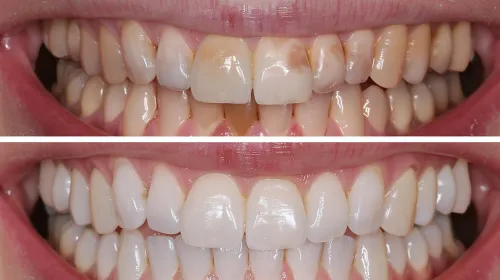
- Improving the appearance of a misshapen or discoloured tooth
Modern crowns are designed to blend naturally with surrounding teeth, making them difficult to distinguish from natural enamel.
What Is a Dental Bridge?
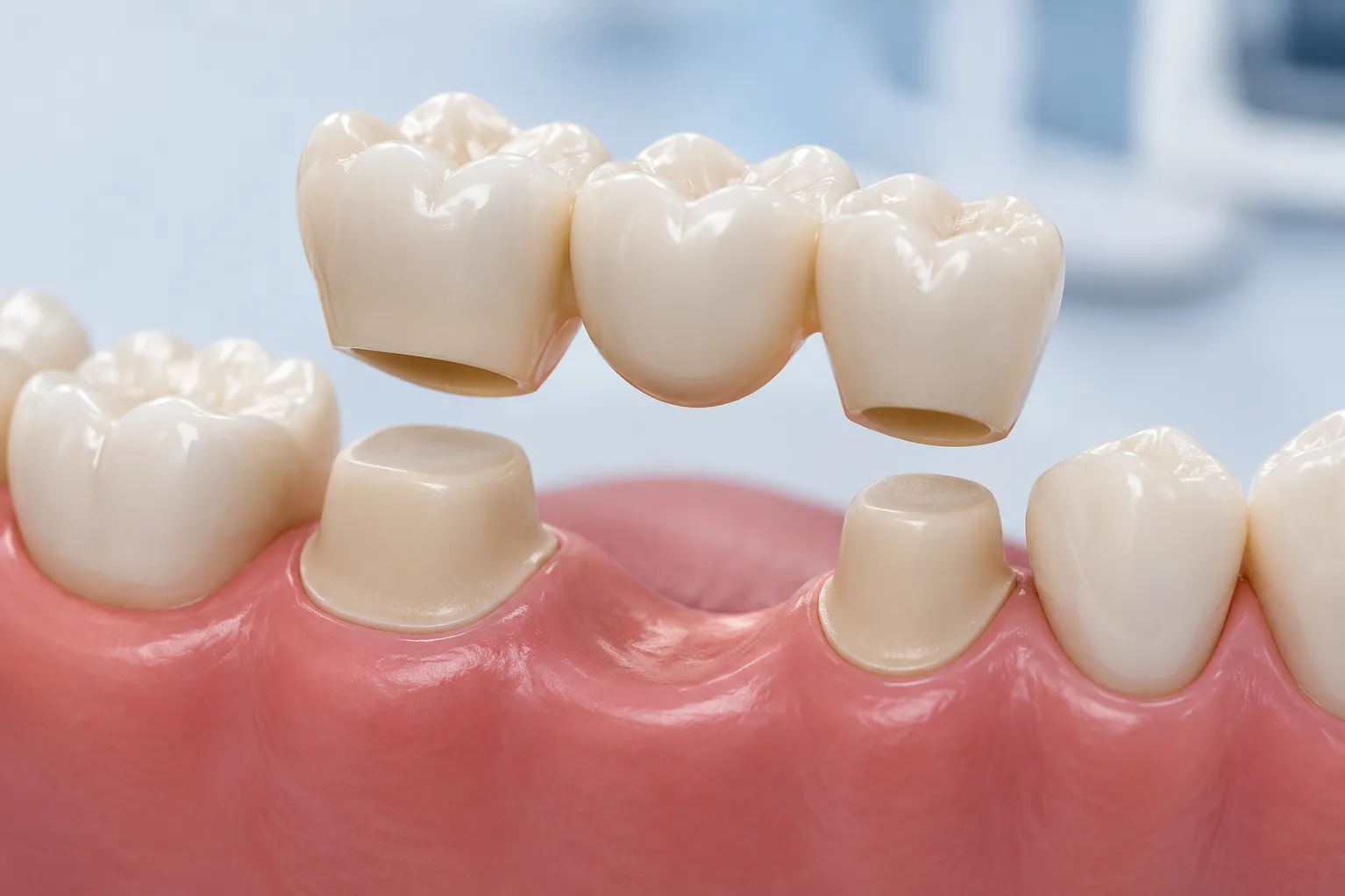
A dental bridge is used to replace one or more missing teeth by filling the empty space between healthy teeth.
The bridge consists of an artificial tooth, known as a pontic, supported by crowns placed on the adjacent teeth. This creates a stable restoration that restores chewing ability and prevents nearby teeth from shifting.
Bridges are often recommended when the supporting teeth are healthy enough to provide adequate support for the restoration.
Crowns vs Bridges: Understanding the Difference
Although both treatments involve custom-made restorations, they serve different purposes.
A dental crown is used to protect or strengthen an existing tooth.
A dental bridge is designed to replace one or more missing teeth.
Your dentist will recommend the appropriate treatment based on factors such as:
- The condition of the affected tooth
- Number of missing teeth
- Gum health
- Jawbone condition
- Overall oral health
- Long-term treatment goals
A detailed clinical examination helps determine the most suitable option.
Benefits of Crowns and Bridges
Both treatments offer several advantages for oral health and daily comfort.
Some of the key benefits include:
- Restoring normal chewing ability
- Improving speech clarity
- Maintaining facial appearance
- Preventing neighbouring teeth from shifting
- Enhancing smile aesthetics
- Protecting weakened teeth from further damage
- Supporting proper bite alignment
When cared for properly, crowns and bridges can provide reliable function for many years.
What Materials Are Used?
Today's dental restorations are available in several materials depending on functional and aesthetic requirements.
Common options include:
- All-ceramic crowns
- Zirconia crowns
- Porcelain-fused-to-metal crowns
- Full metal crowns for selected cases
The choice depends on the location of the tooth, bite pressure, cosmetic expectations, and your dentist's recommendation.
How Long Does the Procedure Take?
The treatment usually involves two appointments.
During the first visit, the dentist prepares the tooth or supporting teeth, takes digital or conventional impressions, and places a temporary restoration if required.
The permanent crown or bridge is fabricated in a dental laboratory to ensure a precise fit.
At the second appointment, the restoration is checked for fit, bite, comfort, and appearance before being permanently cemented.
In some clinics using advanced digital technology, certain restorations may be completed in a shorter time depending on the individual case.
Caring for Crowns and Bridges
Good maintenance helps extend the lifespan of dental restorations.
Patients are advised to:
- Brush twice daily
- Floss carefully around bridges
- Use interdental cleaning aids if recommended
- Avoid chewing extremely hard objects
- Visit the dentist regularly for examinations and professional cleaning
Regular check-ups allow the dentist to monitor both the restoration and the supporting teeth.
When Should You Visit a Dentist?
Many people delay treatment until discomfort becomes severe. However, early evaluation often prevents more extensive dental procedures.
You should consider a dental consultation if you experience:
- A broken or cracked tooth
- Difficulty chewing
- Missing teeth
- A loose or damaged crown
- Persistent sensitivity after previous dental treatment
Addressing these concerns early helps preserve natural teeth and maintain healthy oral function.
Residents of Loni Kalbhor increasingly seek restorative dental treatments that combine durability with natural aesthetics. Dr. Panjiar's Multispeciality Dental Centre provides customised crowns and bridges based on each patient's oral condition, using modern diagnostic methods and precision restorative techniques to restore healthy smiles while supporting long-term dental health.
Keywords