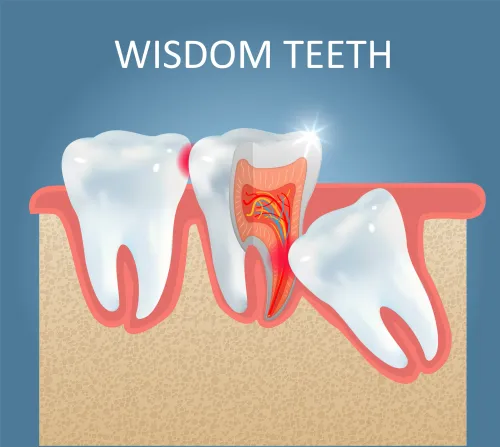
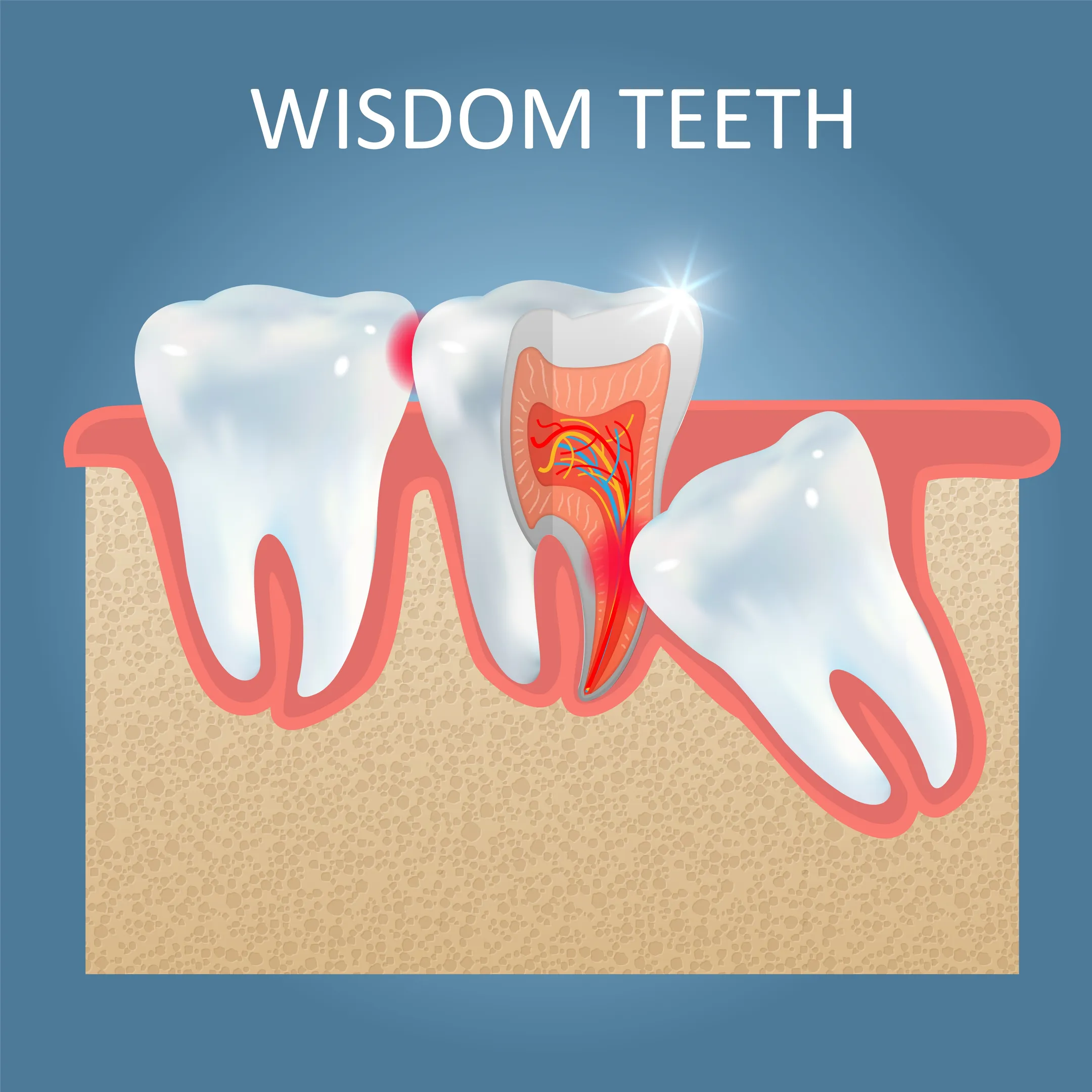
Wisdom teeth usually appear between the ages of 17 and 25, but they do not always have enough room to erupt properly. When this happens, they may remain partially erupted, grow at an angle, or become trapped beneath the gums. These situations can lead to discomfort, swelling, infections, and damage to neighbouring teeth. Understanding when wisdom tooth removal is recommended can help you protect your long-term oral health.
Not every wisdom tooth requires extraction. However, regular dental examinations allow potential problems to be identified before they become more complicated.
Why Wisdom Teeth Often Cause Problems
Wisdom teeth are the last permanent teeth to emerge. Since modern jaws often have limited space, these teeth may not align correctly.
Common reasons for complications include:
- Lack of space in the jaw
- Partial eruption through the gums
- Impacted teeth beneath the bone
- Sideways growth
- Difficulty cleaning the back of the mouth
These conditions increase the risk of infection and other dental concerns.
Signs That Wisdom Tooth Removal May Be Needed
Some wisdom teeth remain symptom-free, while others cause noticeable discomfort.
You should consider a dental evaluation if you experience:
- Pain at the back of the mouth
- Swollen or tender gums
- Jaw stiffness
- Difficulty opening the mouth
- Repeated food trapping around the tooth
- Bad breath despite brushing
- Swelling around the jaw
- Frequent infections near the wisdom tooth
A dentist can determine whether these symptoms are directly related to the wisdom teeth.
What Happens During the Examination?
Before recommending treatment, the dentist performs a detailed assessment that may include:
- Clinical examination
- Digital dental X-rays
- Evaluation of tooth position
- Assessment of nearby nerves and surrounding bone
- Review of medical history
These findings help determine the safest treatment approach.
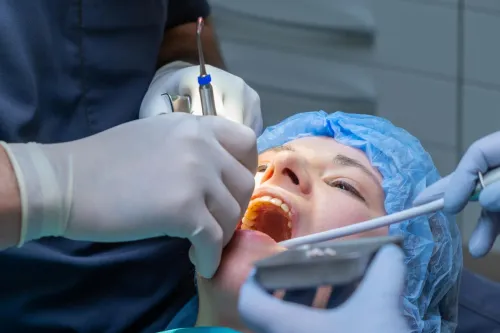
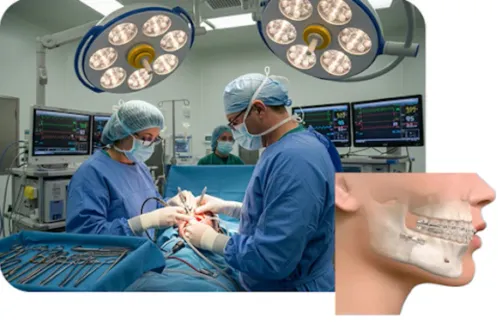
What to Expect During Wisdom Tooth Removal
The procedure varies depending on whether the tooth has fully erupted or remains impacted.
Treatment generally involves:
- Local anaesthesia to numb the area
- Gentle removal of the tooth
- Cleaning of the extraction site
- Placement of stitches if required
- Post-treatment care instructions
Many patients are surprised that modern techniques make the procedure more comfortable than they expected.
Recovery After the Procedure
Healing usually progresses steadily when aftercare instructions are followed.
Helpful recovery tips include:
- Rest during the first 24 hours
- Apply cold packs to minimise swelling
- Eat soft foods for a few days
- Avoid smoking and alcohol during healing
- Maintain oral hygiene carefully
- Take prescribed medication as directed
Most people gradually return to their normal routine within a few days, although complete healing may take longer.
Can Wisdom Tooth Problems Be Prevented?
Regular dental check-ups allow dentists to monitor developing wisdom teeth before they begin causing symptoms.
Preventive care may include:
- Routine dental imaging
- Early monitoring during adolescence
- Prompt treatment of infections
- Good oral hygiene
- Professional cleaning
Early intervention often reduces the likelihood of more complex procedures later.
Residents of Fatima Nagar and nearby parts of Pune frequently undergo routine wisdom tooth evaluations to identify potential issues before they affect neighbouring teeth. At Dr. Panjiar's Multispeciality Dental Centre, each patient receives an individual assessment to determine whether wisdom tooth removal is necessary based on clinical findings, symptoms, and long-term oral health needs.
Keywords