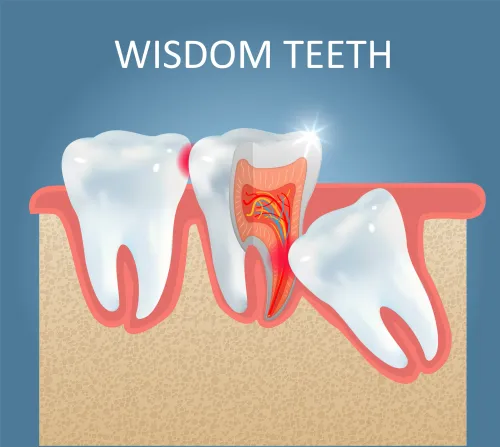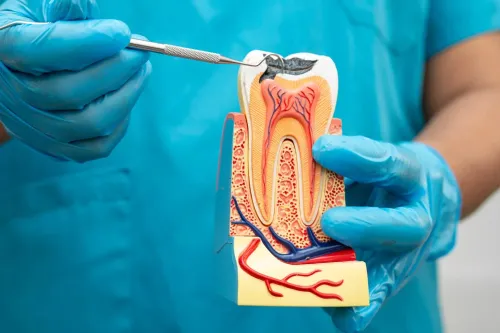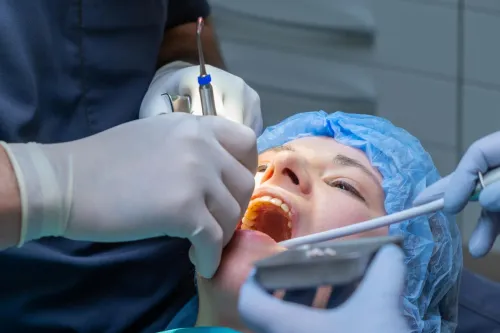
Most dental treatments focus on solving a single concern, such as treating a cavity, replacing a missing tooth, or correcting a broken crown. However, some patients experience several oral health issues at the same time. Worn teeth, missing teeth, bite problems, old restorations, and difficulty chewing often occur together, making isolated treatments less effective. In such situations, Full Mouth Rehabilitation provides a structured approach to restoring both oral function and smile aesthetics.
For residents of Gondhale Nagar, Pune, understanding when full mouth rehabilitation is recommended can help them seek timely treatment before dental problems become more complex.
What Is Full Mouth Rehabilitation?
Full Mouth Rehabilitation is a customised treatment plan designed to restore the health, function, and appearance of all the teeth in the upper and lower jaws. Instead of focusing on one tooth at a time, the dentist evaluates the mouth as a complete system and creates a comprehensive treatment strategy.
The objective is not only to improve the smile but also to restore comfortable chewing, proper bite alignment, healthy gums, and long-term oral stability.
Every rehabilitation plan is unique because no two patients have the same combination of dental concerns.
Who May Need Full Mouth Rehabilitation?
This treatment is generally recommended for patients who have multiple dental problems affecting everyday life.
You may benefit from a comprehensive evaluation if you experience:
- Multiple missing teeth
- Severely worn or fractured teeth
- Difficulty chewing food
- Frequent tooth sensitivity
- Long-standing bite problems
- Old crowns or bridges that are failing
- Advanced gum disease affecting several teeth
- Jaw discomfort while eating
A detailed examination helps determine whether rehabilitation is the most suitable option.
What Treatments Can Be Included?
Full Mouth Rehabilitation often combines several dental procedures into one coordinated treatment plan.
Depending on the patient's needs, the plan may include:
- Dental implants
- Crowns and bridges
- Root canal treatment
- Gum therapy
- Tooth-coloured restorations
- Complete or partial dentures
- Bite correction
- Orthodontic treatment when required
The combination of treatments varies according to oral health, bone condition, and long-term functional goals.
Why a Comprehensive Plan Is Important
Treating individual dental problems without considering the overall bite can sometimes create new complications later.
A comprehensive rehabilitation plan helps:
- Restore balanced chewing function
- Improve bite stability
- Preserve healthy teeth
- Replace missing teeth effectively
- Improve smile appearance
- Reduce unnecessary strain on the jaw joints
- Support long-term oral health
By looking at the entire mouth instead of isolated problems, treatment becomes more predictable.
How Is the Treatment Planned?
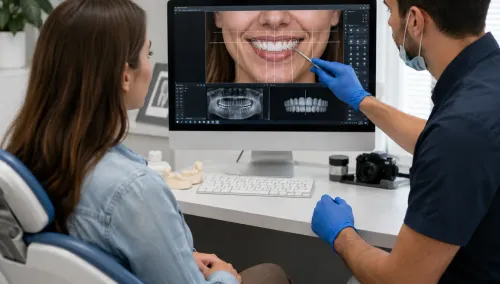
Modern dentistry uses advanced technology to create highly personalised rehabilitation plans.
The process generally includes:
Detailed Oral Examination
The dentist evaluates the teeth, gums, jaw joints, and bite relationship.
Digital Imaging
Digital X-rays and, when required, three-dimensional scans help assess bone quality, existing restorations, and underlying structures.
Functional Assessment
Chewing patterns, jaw movement, tooth wear, and bite alignment are carefully analysed.
Personalised Treatment Sequence
Rather than completing every procedure at once, treatment is usually carried out in carefully planned stages to achieve the best possible outcome.
How Long Does Full Mouth Rehabilitation Take?
The duration depends on the complexity of each case.
Some rehabilitation plans may be completed within a few months, while others involving implants, healing periods, or orthodontic treatment may require additional time.
Your dentist will explain the expected timeline after completing the initial assessment.
Benefits Beyond Appearance
Many people assume Full Mouth Rehabilitation is only about improving the smile. While aesthetics certainly improve, the treatment also focuses on restoring healthy oral function.
Patients often notice improvements such as:
- Easier chewing
- Better speech clarity
- Improved bite comfort
- Reduced tooth sensitivity
- Enhanced oral hygiene
- Greater confidence during social interactions
These functional improvements often have a positive impact on overall quality of life.
Why Early Assessment Is Beneficial
When multiple dental problems are left untreated, they often become more difficult and expensive to manage. Missing teeth may affect neighbouring teeth, worn teeth can continue to fracture, and bite imbalances may place excessive stress on the jaw.
Seeking professional advice early allows the dentist to address these concerns through a carefully coordinated treatment plan rather than repeated short-term solutions.
Residents of Gondhale Nagar increasingly choose comprehensive dental care that restores both function and aesthetics. Dr. Panjiar's Multispeciality Dental Centre develops personalised Full Mouth Rehabilitation plans using advanced diagnostics and multidisciplinary dental expertise, helping patients rebuild healthy, comfortable, and confident smiles that support long-term oral health.
Keywords