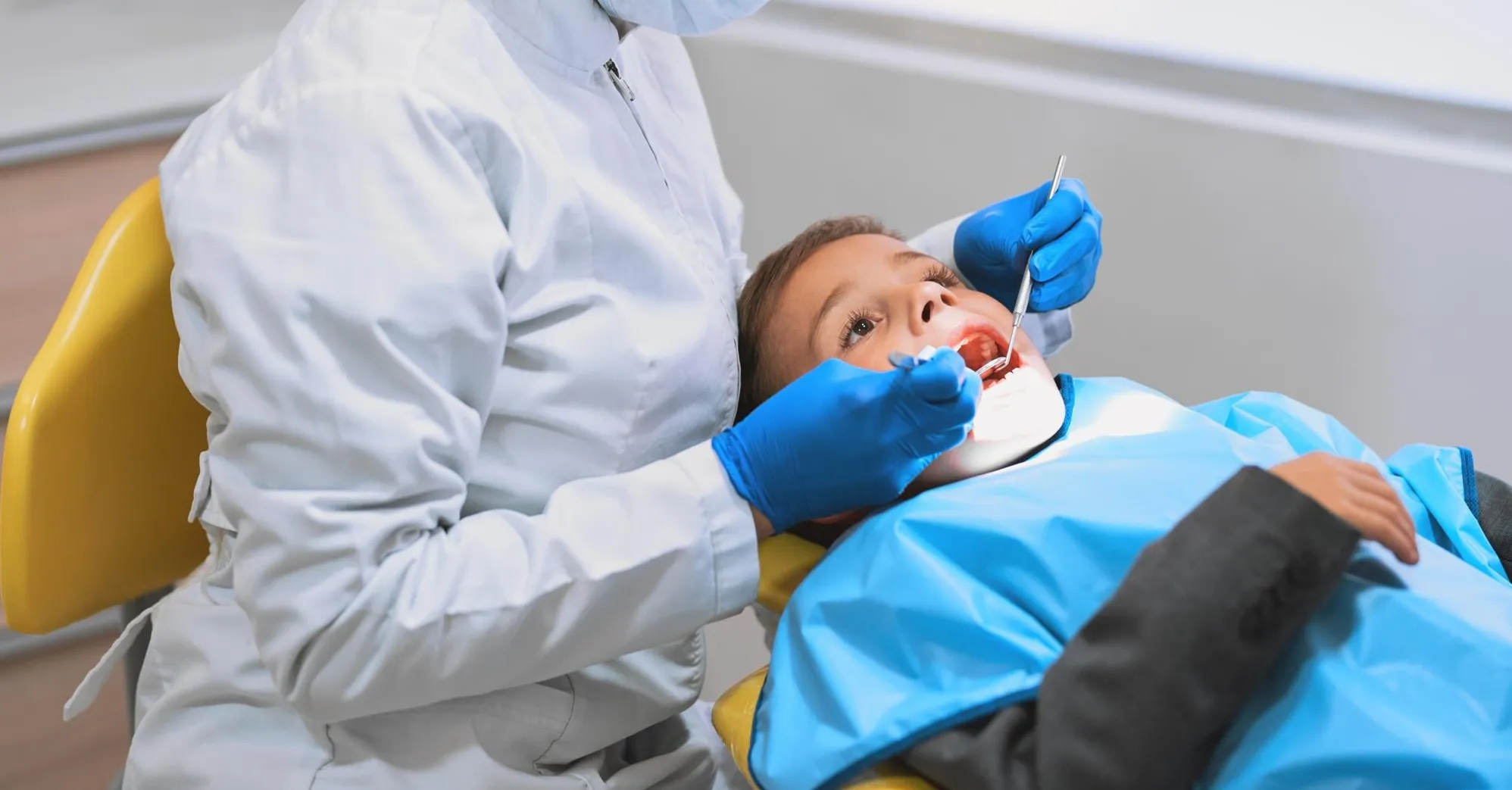
A child’s early experiences with dental care can influence how they look after their teeth well into adulthood. Child Dental Care is not limited to treating cavities. It includes monitoring tooth development, guiding brushing habits, assessing the bite, managing dental injuries, and helping parents understand what is normal at different stages of growth.
For families in Manjari, Pune, Maharashtra, regular dental assessments can be particularly useful as children move from primary teeth to permanent teeth. Detecting concerns early often makes them easier to manage and helps children become comfortable with routine dental visits.
When Should a Child First See a Dentist
Parents do not need to wait until a child complains of toothache. Early dental visits allow the dentist to examine developing teeth, gums, oral hygiene, and feeding-related habits.
As children grow, dental assessments can help identify:
- Early tooth decay
- Plaque accumulation
- Gum irritation
- Delayed tooth eruption
- Crowding of developing teeth
- Thumb sucking effects
- Mouth breathing patterns
- Dental injuries
- Bite development concerns
Children may not always describe discomfort clearly. A child who suddenly avoids chewing on one side, refuses cold foods, complains while brushing, or becomes unusually sensitive around a particular tooth may need an examination.
Why Primary Teeth Need Proper Care
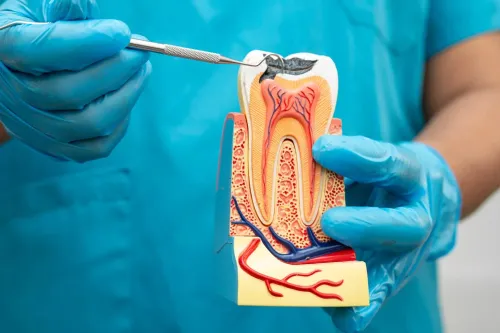
Baby teeth eventually fall out, but that does not make them unimportant. They help children chew food, develop speech, maintain space for permanent teeth, and support normal jaw development.
Untreated decay in primary teeth may lead to pain, difficulty eating, infection, disturbed sleep, and problems concentrating at school. Depending on the condition, treatment may involve preventive measures, fillings, pulp therapy, crowns, extraction, or space maintenance.
The objective is not to perform unnecessary treatment. It is to preserve oral health while considering the child’s age, cooperation, dental development, and individual needs.
Building Better Dental Habits at Home
Daily habits remain the foundation of children’s oral health. Parents can support healthier teeth by supervising brushing until children have enough coordination to clean effectively on their own.
Useful habits include brushing twice daily with age-appropriate fluoride toothpaste, limiting frequent sugary snacks, encouraging water after meals, and avoiding prolonged exposure to sweetened drinks.
Regular dental reviews can complement these habits by identifying areas that are difficult to clean and checking whether teeth are developing as expected.
Helping Children Feel Comfortable With Dental Visits
A calm introduction to dentistry can make future visits easier. Parents can avoid describing dental appointments using frightening words or sharing negative personal dental experiences in front of children.
Routine preventive visits are often less stressful than a child’s first appointment taking place during severe tooth pain.
At Dr. Panjiar's Multispeciality Dental Centre, dental assessment can be planned according to the child’s age, oral health, and treatment requirements. For families around Manjari and nearby Pune communities, establishing regular dental care during childhood can create a stronger foundation for long-term oral health.
Healthy teeth in childhood are not simply about preventing cavities. They support comfortable eating, speech, confidence, and the gradual development of responsible oral hygiene habits.
Keywords