A smile can look uneven because of tooth proportions, spacing, gum display, colour changes or the position of only one prominent tooth. By understanding which treatments change tooth structure, which only move teeth, and which problems need health care first, you can assess a proposed cosmetic plan with more confidence.
Key takeaways
- Whitening changes natural tooth colour, not tooth shape or existing restorations.
- Choose bonding for minor changes and veneers for broader visible-surface coverage.
- Delay cosmetic treatment until decay, gum disease and bite problems are controlled.
- Request a staged plan covering risks, maintenance, costs and follow-up appointments.
How cosmetic dentistry changes the shape of your smile
A balanced smile depends on more than white teeth. Smile shape is judged by tooth length, the width-to-length ratio, edge symmetry, gum display, the dental midline and how the teeth relate to your lips.
Teeth do not need to be identical: slight variation in contour and translucency usually looks more natural than a row of uniform blocks.
| Treatment | Shape changes | Main trade-off |
|---|---|---|
| Enamel reshaping | Smooths small chips, uneven edges or minor differences in tooth length | Limited to removing small amounts of enamel; it cannot correct crowding or large gaps |
| Composite bonding | Adds material to increase tooth length, fill small spaces or refine contours | Repairable, but it can chip and stain sooner than ceramic |
| Veneers | Changes apparent width, length, contour and minor spacing across one or more teeth | Conventional veneers require enamel removal and are not reversible; “no-prep” does not guarantee zero reduction |
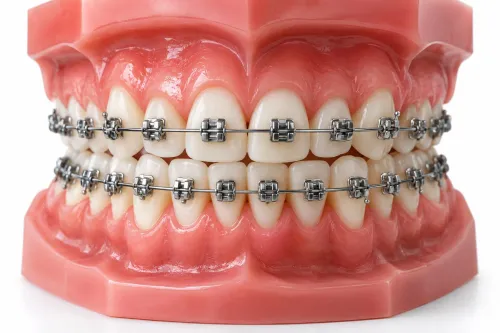
| Orthodontics | Repositions crowded, rotated or poorly aligned teeth while preserving tooth tissue | Takes longer than reshaping or bonding and may be the safer choice for a position problem |
| Gum treatment or contouring | Changes uneven gum display and the apparent length of teeth | Active gum disease must be treated before elective reshaping |
Changing one tooth can make its edge look balanced beside a neighbour, while changing several teeth creates a more consistent smile line. A dentist also needs to assess tooth display at rest and when smiling; lengthening teeth without considering the lips can produce an artificial result.
What whitening can change—and what it cannot
Whitening works best on surface stains trapped on natural enamel or dentine, including discolouration from coffee, tea and tobacco. Professional in-office whitening and dentist-supervised take-home trays can lift these stains and lighten overall tooth colour, but results vary with the starting shade. Sensitivity and short-term gum irritation are possible.
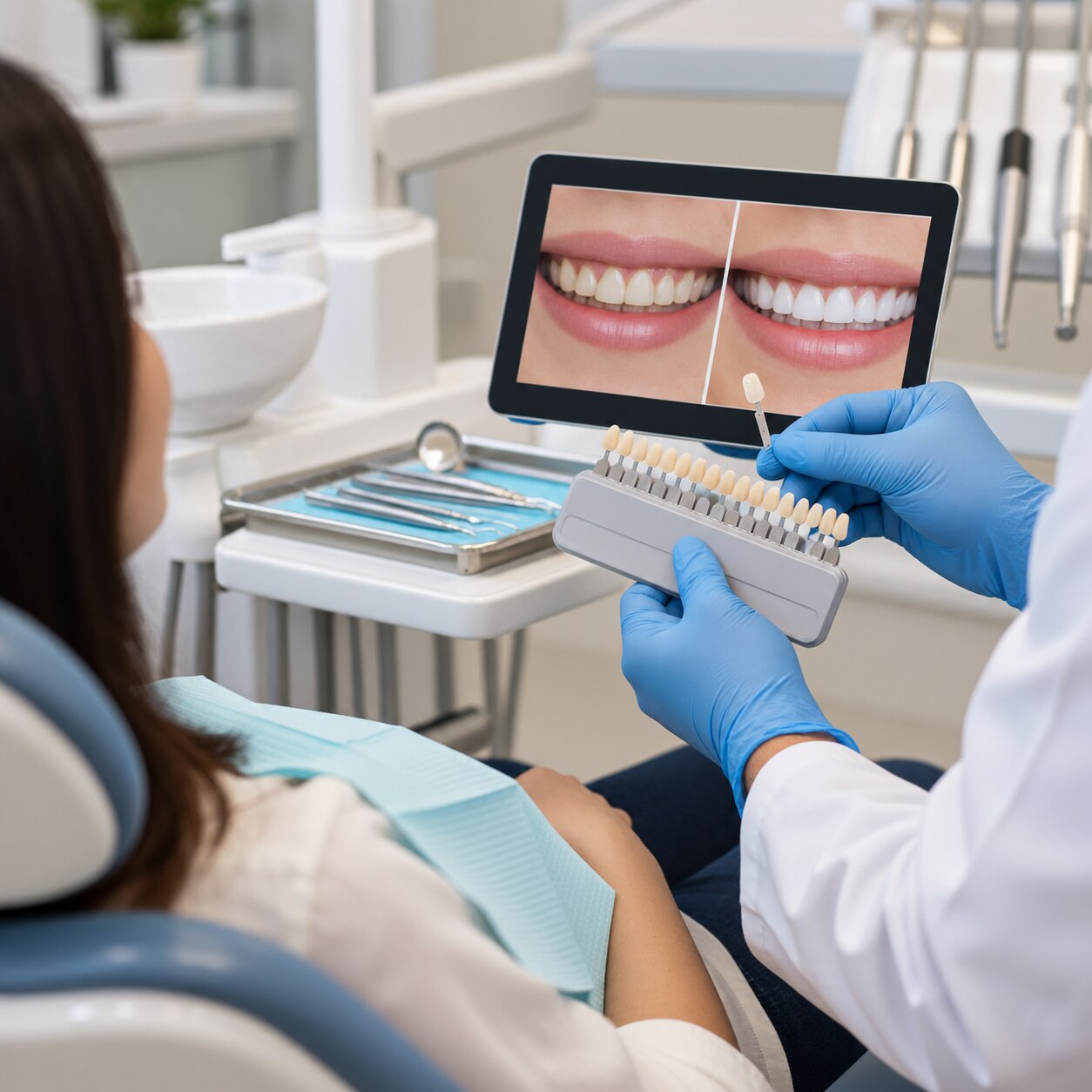
Whitening does not change the colour of fillings, crowns, veneers, composite bonding or implants. If a visible restoration is already present, bleaching can leave a mismatch; replace it only after the natural teeth reach and maintain their final shade.
| Cause or finding | Whitening response | More suitable next step |
|---|---|---|
| Surface stains from coffee, tea or tobacco | Usually responds well | Whitening, followed by stain-control habits |
| Age-related internal discolouration | May lighten incompletely | Whitening assessment; bonding or a veneer if the shade remains uneven |
| Darkening after trauma or some medication-related stains | Often less predictable | Assess the tooth’s health; consider internal bleaching or a restoration |
| A filling, veneer, crown or bonding that looks too dark | Does not lighten | Replace or repair the restoration after whitening stabilises |
Bonding suits a small, localised colour defect or minor shape change because composite can often be added with little or no drilling. It stains, chips and wears more readily than porcelain.
A veneer covers a broader front-surface defect when the tooth is structurally sound; a crown is reserved for a weakened or heavily restored tooth, not simply a darker shade.
Choosing between bonding, veneers, reshaping, crowns and orthodontics
A conservative option is not always the longest-lasting one. Compare how much tooth structure changes, how the material ages and whether the problem is cosmetic or caused by tooth position.
| Option | Preparation | Durability, stain resistance and repairability | Reversibility and typical use |
|---|---|---|---|
| Composite bonding | Usually little or no drilling; composite is added and shaped | Less resistant to staining, chipping and wear than porcelain; polishing and repairs are straightforward | Often reversible by removing added material; useful for small chips, gaps and contour changes |
| Porcelain veneers, also called ceramic veneers or laminates | Conventional veneers require enamel reduction; “no-prep” still depends on tooth position, colour and desired contour | Durable and highly stain-resistant, but chips can require replacement rather than simple repair | Usually irreversible; useful for changing several teeth’s colour, length, width or spacing |
| Enamel reshaping | Small amounts of enamel are carefully polished away | Natural enamel resists staining; the result lasts when the adjustment is minor | Removed enamel cannot be restored; useful for tiny peaks, uneven edges or slight asymmetry |
| Crowns | Substantial reshaping surrounds the tooth | Strong and stain-resistant, but damage usually means repair or replacement | Irreversible; suited to weakened, heavily restored or severely discoloured teeth |
| Orthodontics | No cosmetic covering or tooth reduction; teeth are moved | Preserves tooth tissue, but relapse is possible without fixed or removable retainers | Restores position rather than adding material; useful for crowding, rotations, overbites and spaces |
Grinding or clenching can fracture bonding, veneers and crowns. A protective night splint reduces that risk but does not make any restoration immune to damage.
When cosmetic treatment should wait
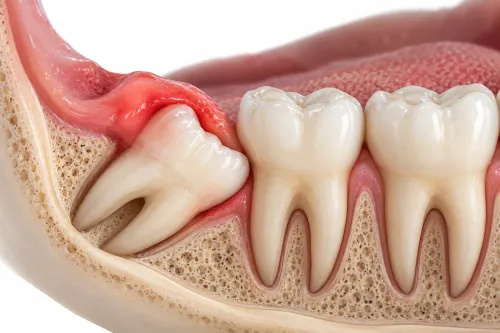
Before selecting a shade or reshaping a tooth, a dentist should check whether your mouth is healthy and stable. The examination should cover decay, leaking fillings or crowns, gum disease, gum recession, tooth sensitivity, enamel thickness, tooth wear, bruxism, bite forces and the position of each tooth.
1. Choose preventive care first when plaque, frequent new decay or poor cleaning is undermining your teeth. Whitening or bonding will not protect an untreated cavity, and a new restoration can fail if oral hygiene remains uncontrolled.
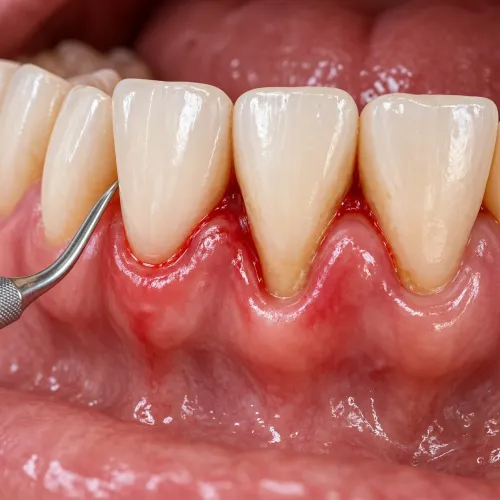
2. Choose periodontal care first when gums bleed, swell, look uneven or have receded. Inflammation can make the gum line appear irregular; recession can make teeth look too long. Treating gum disease may improve the smile before any veneer or crown is considered.
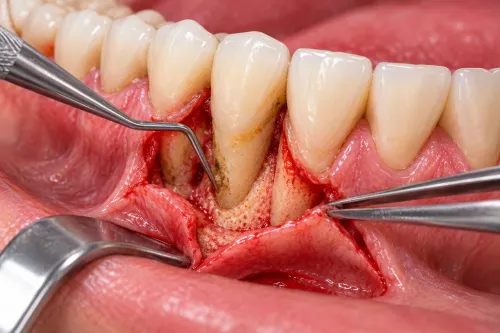
If excess gum covers otherwise healthy tooth structure, planned crown lengthening may help, but removing too much tissue can expose roots and cause sensitivity.
3. Choose restorative care first for decay, cracked teeth, failing fillings or heavy wear. Address bruxism before placing veneers, bonding or crowns, then discuss a night-time occlusal splint to reduce fracture risk.
4. Choose orthodontic care first when crowding, spacing or tooth position causes the problem. Covering crowded teeth with veneers can require unnecessary enamel reduction and create bulky, over-contoured results. An unstable bite also needs correction before cosmetic reshaping.
How to evaluate the plan from consultation to follow-up
A credible plan starts by proving that the proposed appearance is healthy, functional and achievable—not by choosing the whitest shade.
1. The dentist checks for active caries, leaking restorations, gum disease, recession, heavy wear, tooth grinding and an unstable bite. Treating these problems first prevents inflammation, fractures or an altered gum line from undermining the cosmetic result.
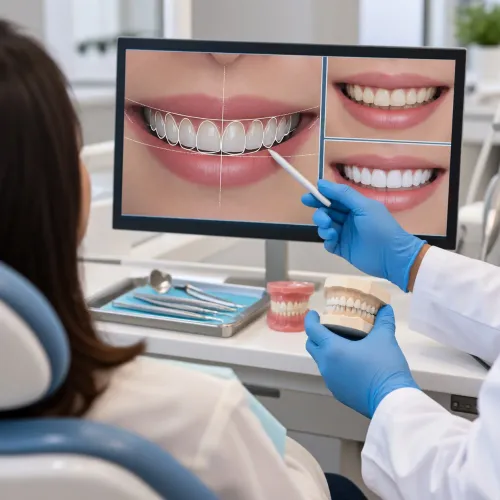
2. The team records photographs, scans or impressions, tooth display at rest and while smiling, gum levels, lip position and the facial midline. Ask how the plan changes tooth length, width-to-length proportions, edge symmetry and spacing; making every tooth identical can look less natural than controlled variation.
3. Request a trial smile or mock-up before irreversible preparation. It lets you judge whether the planned teeth look too long, opaque, bulky or bright, and whether the gum display and midline suit your face. Shade selection should occur after discussing whitening, because bleaching does not change fillings, crowns, veneers or bonding.
4. Confirm the maintenance plan in writing: cleaning methods, review intervals, night-guard use if you grind, repair options and expected replacement needs. If orthodontics moves the teeth, removable or fixed retainers form part of the treatment, not an optional extra.
At Dr. Panjiars Dental Clinic, use the consultation to compare the digital proposal with the mock-up and ask which changes preserve the most tooth tissue. A maintainable result leaves enough access for brushing and flossing, keeps margins smooth, and includes a plan for future staining, chipping or gum changes.
Related service
Laminates – Enhance tooth appearance with minimal preparation Veneers – Correct chipped, stained, or misaligned teeth Digital Smile Designing –... View service → |
Frequently asked questions
How does cosmetic dentistry change the shape of your smile?
It can alter tooth length, width-to-length proportions, edge symmetry, gum display and the relationship between teeth, lips and the dental midline.
What can whitening change, and what can it not change?
Whitening lightens natural tooth colour. It does not reshape teeth or lighten crowns, veneers, fillings and other existing restorations.
How do bonding, veneers, reshaping, crowns and orthodontics differ?
Bonding adds tooth-coloured material for small changes; veneers cover visible surfaces; reshaping removes small amounts of enamel; crowns cover a damaged tooth; orthodontics moves teeth.
When should cosmetic dental treatment wait?
Wait until active decay, gum disease, uncontrolled sensitivity, untreated infection or significant bite problems receive appropriate care.
What should you evaluate during a cosmetic dentistry consultation?
Review the proposed changes, treatment alternatives, tooth preparation, risks, maintenance, costs, timescale and follow-up plan before deciding.