A missing tooth can affect more than your smile: speech, biting, tooth stability and the security of a removable appliance can all change. Understanding the implant parts, treatment stages, replacement options and maintenance demands will help you judge whether implant-supported treatment fits your mouth and daily routine.
Key takeaways
- An implant fixture replaces the missing tooth root inside the jawbone.
- A crown replaces one tooth; bridges and dentures replace multiple teeth.
- Bone loss and health conditions can change implant treatment planning.
- Daily cleaning and professional reviews help protect implant-supported teeth.
How an Implant Replaces the Root and Supports Daily Function
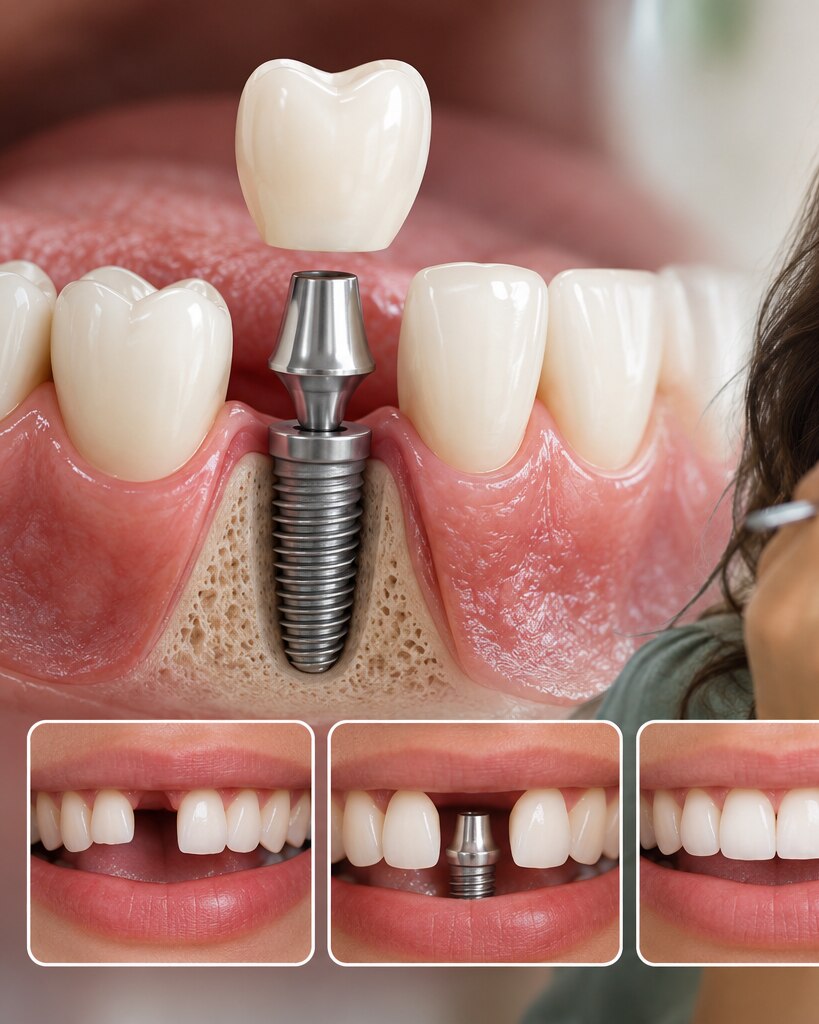
The missing tooth is replaced in three connected parts, not by a visible tooth resting on the gum. A titanium implant fixture sits inside the jawbone as the artificial root; an abutment above the gum connects it to the restoration; and the attached restoration is an implant crown, bridge or denture.
For several missing teeth, this may be an implant-supported bridge or denture.
Osseointegration allows bone to bond with the fixture and hold it securely. After healing, the fixture can transfer biting forces into the jaw rather than relying only on gum tissue.
- A stable implant crown can help you bite firmer foods with less rocking.
- A fixed replacement can support clearer speech than a loose removable denture.
- Replacing the root helps keep the restoration stable during chewing.
- Implants can reduce shifting of a removable denture while you eat or speak.
The visible tooth is therefore not simply placed on top of the gum: the abutment passes through the gum, while the crown, bridge or denture remains a separate component attached to it.
That component needs brushing, suitable cleaning around its edges and professional checks, and it can require repair or replacement even when the fixture remains integrated.
An implant also lacks the periodontal ligament surrounding a natural tooth. You do not receive the same fine pressure and position feedback, so biting requires learned control rather than identical natural-tooth sensation.
What Happens Between the First Examination and the Final Tooth
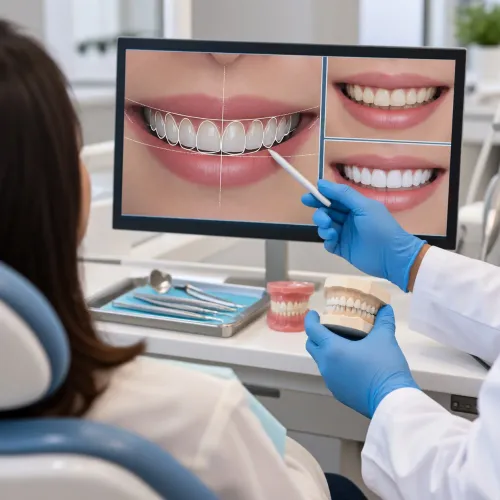
The dental implant treatment sequence is staged because the jaw must heal around the implant before it can reliably carry a final tooth. Examination and dental imaging take less time than healing, so the crown is rarely fitted on the day of surgery.
1. Examination includes your medical history, bite, remaining teeth and periodontal assessment. Bleeding gums or active gum disease must be addressed before surgery.
2. Dental imaging shows bone height, width and nearby structures. Three-dimensional planning is useful when the site is close to the maxillary sinus, a nerve or an irregular ridge.
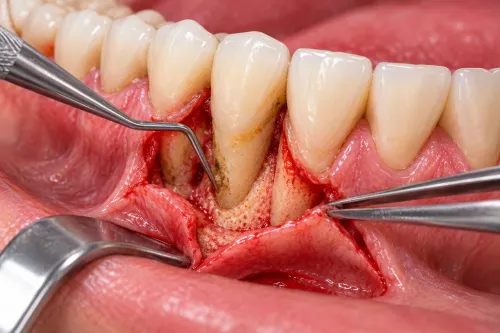
3. If the tooth remains, extraction comes first. The socket then needs bone healing; ridge preservation or bone grafting can protect its shape when the bone is too narrow or too short.
4. The implant is placed after the site is ready. Immediate implant placement means inserting it during extraction, not attaching a functioning final tooth immediately.
5. Osseointegration allows bone to bond securely around the implant. Ask what osseointegration healing time your case requires; it commonly takes several months before loading.
6. After integration, the abutment is connected. A temporary tooth can be used when the site and implant stability allow it, but it is not the final restoration.
7. The dentist records the shape and bite, and a laboratory fabricates the crown, which is then fitted and adjusted. Graft healing, extraction-site healing and laboratory fabrication can extend the timetable.
Which Implant-Supported Replacement Fits One Tooth, Several Teeth or an Entire Arch?
One missing tooth calls for a single-tooth implant crown; several adjacent gaps may suit an implant-supported bridge; a toothless arch requires a choice between an implant overdenture and a fixed full-arch restoration.
| Option | Stability, tooth preparation and comfort | Cleaning, repair and maintenance |
|---|---|---|
| Single-tooth implant crown | Replaces one tooth without cutting down neighbouring teeth, unlike a conventional bridge. It usually feels more secure than a removable denture for chewing and speaking. | Clean around the crown and abutment like a separate tooth. The crown can need repair or replacement even if the implant remains integrated. |
| Implant-supported bridge | Replaces several adjacent teeth with multiple crowns joined together on fewer implant fixtures. It avoids preparing healthy neighbouring teeth, but span length and bite forces need careful design. | Floss threaders, interdental brushes or a water irrigator must reach beneath the bridge. Poor access traps plaque and complicates repairs. |
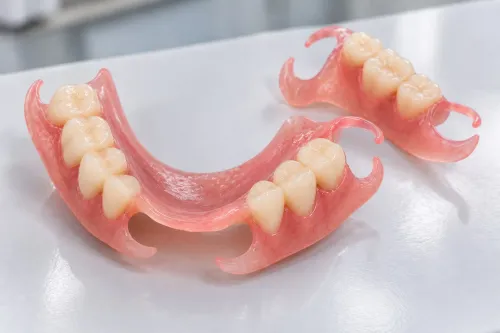
| Removable implant overdenture | Clips onto implants and is more stable than a conventional removable denture, improving chewing and speech while remaining removable. For a completely toothless lower jaw, the McGill consensus identifies a two-implant overdenture as a strong first choice for many patients. | Remove it for cleaning and clean the attachments and gums daily. Inserts and clips wear and need maintenance. |
| Fixed full-arch restoration | Stays in place and offers strong chewing stability, but costs more surgical and restorative planning than a removable denture. | Requires specialised cleaning under the prosthesis; repairs can be more involved. |
A conventional bridge may offer simpler treatment but sacrifices neighbouring tooth structure. A removable denture usually costs less biologically, yet it can move during chewing or speech. Neither alternative makes a fixed restoration automatically necessary.
How Missing Teeth, Bone Changes and Health Conditions Affect Candidacy
Dental implant candidacy requires enough jawbone volume to stabilise the fixture, healthy gums, manageable bite forces and a realistic ability to clean around the restoration. Clinicians also review your medical history, medications, smoking status and ability to attend follow-up visits.
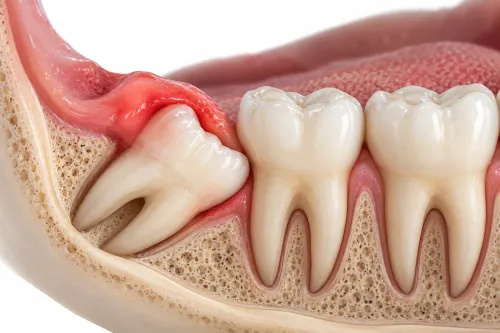
After years without a tooth, bone shrinkage after tooth loss can reduce the ridge’s width and height. In the upper premolar or molar region, the ridge may also sit close to the maxillary sinus, limiting implant space.
| Preparation option | Why it may be considered | What it involves |
|---|---|---|
| Ridge preservation | An extraction site may lose supporting bone | Grafting material is placed when the tooth is removed |
| Bone grafting | The ridge lacks sufficient width or height | Added bone material supports later implant placement |
| Sinus augmentation for implants | The upper jaw has limited height beneath the sinus | The sinus floor is gently lifted and graft material is placed |
These steps are possible preparation measures, not automatic requirements. Imaging determines whether existing bone is sufficient.
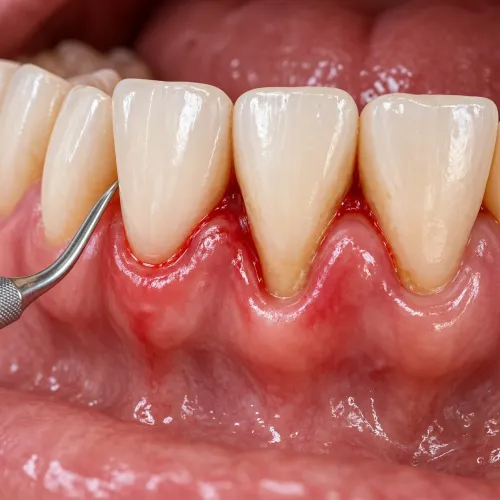
Untreated periodontal inflammation raises infection and bone-loss risk. Diabetes does not automatically exclude treatment, but poorly controlled blood glucose impairs healing, so coordinate care with your physician; smoking also reduces healing reliability and increases complications. Age alone does not decide candidacy: healing capacity, anatomy and a sustained hygiene commitment matter more.
How to Protect the Implant and Evaluate the Long-Term Decision
Daily plaque removal is essential: brush twice daily with a soft brush, clean between teeth and under the crown or bridge with floss, interdental brushes or a water flosser recommended for your design. Attend professional examinations for implant maintenance, and report bleeding, swelling, bad taste, looseness or increasing probing depths.
| Condition | What it means | Why it matters |
|---|---|---|
| Peri-implant mucositis | Inflammation without supporting-bone loss | Early treatment can control plaque-related inflammation |
| Peri-implantitis | Inflammation with progressive supporting-bone loss | Bone loss can threaten implant support |
A systematic review estimated peri-implantitis in about 19.8% of patients and 9.25% of implants during observation periods of at least five years. Definitions and follow-up periods change these estimates. Periodic reviews should check the restoration, bone levels, probing findings, cement excess, component stability and whether you can clean every contour.
Before consent, discuss dental implant risks and complications: infection, bleeding, altered sensation from nerve injury, upper-jaw sinus complications, failed integration and later mechanical or biological problems. Smoking, uncontrolled diabetes and untreated periodontal disease increase concern.
Remember that the crown or bridge often needs repair or replacement before the integrated implant does. Ask for:
- The proposed timeline, imaging findings and maintenance interval
- The exact cleaning method and how difficult areas will be accessed
- The repair plan, expected restoration lifespan and replacement cost
- Smoking or medical-condition guidance
A multispeciality provider such as Dr. Panjiars Dental Clinic can coordinate imaging, gum assessment, surgery, restoration design and ongoing maintenance planning.
Related service
Permanent solution for missing teeth Natural look and feel Restores full chewing function Long-lasting and durable option View service → |
Frequently asked questions
How does a dental implant replace a missing tooth?
A titanium implant fixture sits in the jawbone as an artificial root. An abutment connects it to a crown, bridge or denture.
What happens before the final implant tooth is fitted?
Treatment starts with an examination and planning, followed by implant placement, healing and attachment of the final restoration.
Which implant replacement suits one tooth or several teeth?
An implant crown replaces one tooth, an implant-supported bridge replaces several adjacent teeth, and an implant-supported denture can replace an entire arch.
How do bone changes and health conditions affect implant candidacy?
The dentist assesses jawbone volume, gum health and medical conditions before treatment. Bone loss can require additional planning or grafting.
How do you protect an implant after treatment?
Brush and clean between the teeth every day, attend professional reviews and report bleeding, looseness, pain or changes in the restoration.