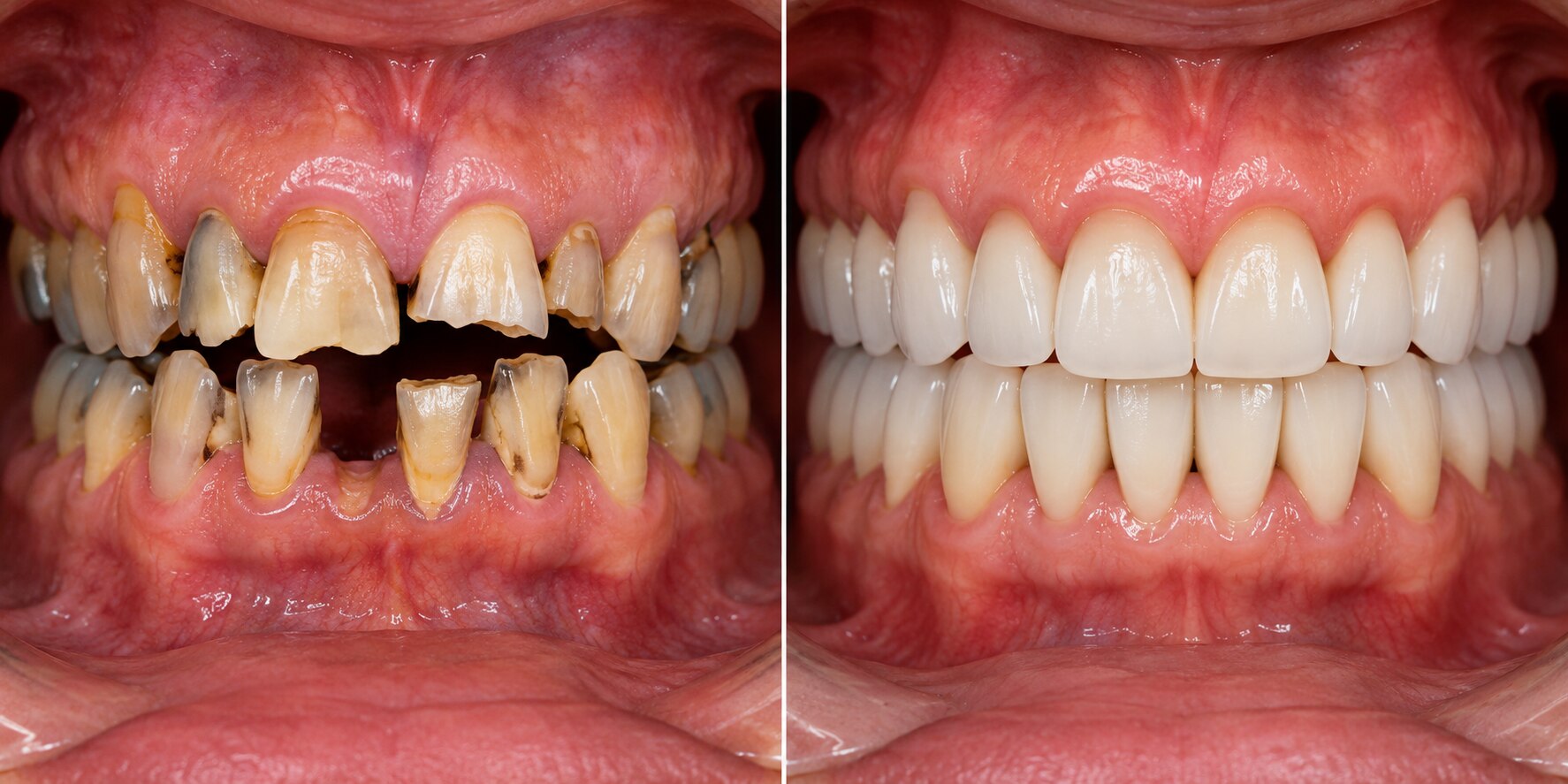
When decay, gum disease, worn teeth, failed fillings and missing teeth occur together, treating the most painful tooth first can leave the underlying bite and support problems unresolved. A coordinated plan links diagnosis, disease control, tooth preservation, replacement and bite testing so you can judge what will happen first, how long treatment may take and which options protect chewing function over time.
Key takeaways
- A full-mouth assessment includes teeth, gums, bite contacts, jaw symptoms and treatment history.
- Save teeth with a predictable outcome; replace teeth that cannot support lasting function.
- Staged treatment lets healing, bite changes and provisional teeth guide the final result.
- Test provisional teeth for comfort, speech and chewing before committing to definitive restorations.
How the dentist maps the problems before choosing treatment
The full mouth rehabilitation examination begins with a history of pain, chewing difficulty, sensitivity, jaw symptoms, grinding, previous dental work and your priorities. The dentist then examines every tooth, gum and contact between upper and lower teeth rather than focusing only on the teeth that hurt.
- Check decay, cracks, worn surfaces, loose fillings, crown margins, tooth mobility and remaining tooth structure.
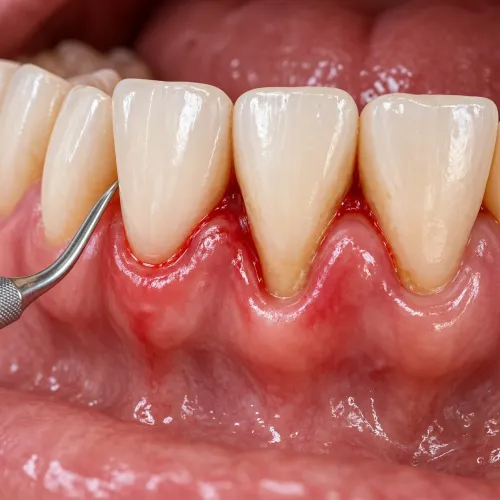
- Measure gum pockets, bleeding, recession and bone support to identify periodontal disease.
- Assess chewing contacts, tooth tilting, missing spaces, speech, jaw movement, joint sounds and muscle tenderness.
- Record the condition of existing crowns, bridges, implants, dentures and opposing teeth.
The records answer different questions:
| Record | What it reveals | Why it matters |
|---|---|---|
| Dental X-rays | Decay between teeth, root infection and bone levels | Shows disease hidden below the surface |
| Digital scans | Tooth positions, wear and available restorative space | Helps analyse contacts and design restorations |
| Study models | How the arches meet outside the mouth | Allows bite and space analysis |
| Photographs | Tooth shape, gum appearance and facial proportions | Provides a baseline for planning and review |
Increasing the bite height, or occlusal vertical dimension, is not automatic. The dentist compares tooth loss with normal anatomy and considers function, facial proportions, speech, comfort, joint symptoms and restorative space before making an irreversible change.
Persistent jaw pain, locking or restricted movement needs separate temporomandibular disorder assessment; adjusting the bite is not a universal cure. The examination should finish with alternatives, such as selective or phased treatment, rather than assuming every tooth requires extensive reconstruction.
How the plan decides which teeth to save, repair or replace
A tooth is preserved when its tooth prognosis supports a cleanable, functional restoration over time—not simply because extraction is easier. The clinician weighs remaining tooth structure, cracks and fractures, gum pockets and bone support, mobility, infection, strategic value and your ability to maintain it.
The decision usually follows these questions:
- Can enough sound tooth remain above the gum to hold a filling or crown?
- Can a root canal remove infection and leave the tooth sealable?
- Are the roots stable, without a split extending below the gum?
- Can gum treatment restore inflammation control and a maintainable pocket depth?
- Will the tooth help support chewing, a bridge or the bite?
| Option | What it does | When it fits |
|---|---|---|
| Gum treatment | Controls inflammation and improves periodontal support | Before final restorations or implants when disease is active |
| Root canal and crown | Removes internal infection and protects salvageable structure | When the tooth is restorable but the pulp is infected or damaged |
| Bridge | Replaces a missing tooth using neighbouring teeth for support | When adjacent teeth need crowns and cleaning access remains good |
| Implant | Supports a separate crown, bridge or denture | When bone, soft tissue, health and hygiene allow predictable placement |
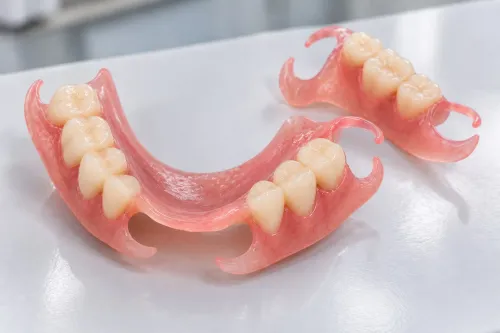
| Partial or complete denture | Replaces several or all missing teeth removably | When implants are unsuitable, too invasive or outside priorities |
A tooth with poor support, an untreatable fracture or inadequate structure may need extraction. Orthodontics can sometimes reposition teeth before restoration, conserving structure; implants are not automatic replacements. Cost, treatment time, maintenance and function should shape the alternatives.
Why rehabilitation is staged and what happens between appointments
Expect phased dental treatment, not a single long appointment. The sequence protects newly repaired teeth from infection and lets gums, bone and jaw muscles adapt before the final bite is set.
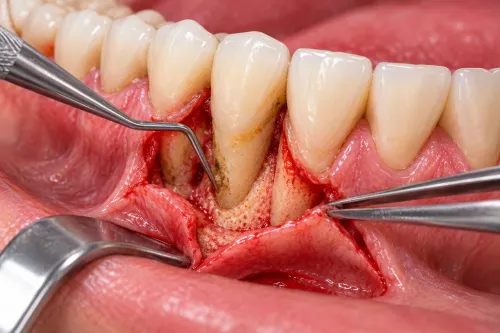
1. Disease control comes first: plaque instruction, periodontal cleaning, fillings, root canal treatment or extractions. Active decay, gum inflammation or unresolved infection can compromise every crown and implant placed afterward.
2. Teeth needing protection receive repairs and provisional restorations. Temporary crowns cover prepared teeth while gums settle; temporary dentures or an interim partial denture can maintain appearance and chewing after extraction. These are not final appliances: they can loosen, fracture or wear.
3. Healing sets the next appointment. Healing after extraction and implant placement requires review stages before an implant receives its final crown; the clinician checks bone, gum tissue, comfort and infection rather than relying on the calendar.
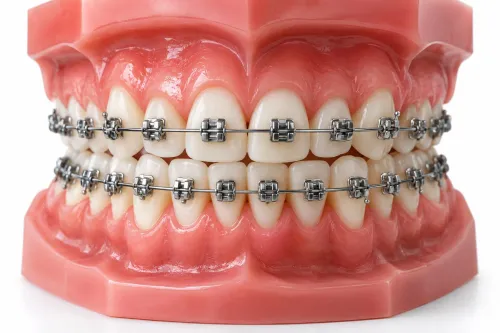
4. Orthodontic movement, if planned, follows controlled gum inflammation and can take longer than restorative work. It may upright a tilted tooth or redistribute space before crowns, bridges or implants.
5. Definitive crowns, bridges, dentures or implant restorations are fitted after disease is stable and the bite has been tested. Adjustments can occur across follow-up visits, not only on delivery day.
If you have had periodontitis, maintenance continues after completion. Professional cleanings, home plaque control and implant reviews help detect peri-implant inflammation before bone loss threatens the result.
How provisional teeth and bite testing protect chewing function
Provisional restorations let the dentist test the proposed result before crowns, bridges or implant restorations become permanent. They are not simply placeholders: their shape, length and contacts reveal whether the planned occlusal vertical dimension suits your facial proportions, speech, muscles, joints and available restorative space. Increasing bite height is not automatic.
1. Check tooth shape and speech. The dentist assesses appearance, lip support and sounds such as “s,” “f” and “v.” Bulky contours or excessive length can affect pronunciation and make cleaning difficult.
2. Test chewing comfort. You may chew ordinary foods while the dentist checks whether both sides contact evenly, whether food packs around the provisionals and whether any tooth feels tender. Adjustments can be made before the final laboratory work.
3. Map bite contacts and forces. Articulating paper marks heavy or premature contacts as you tap and slide your teeth. The dentist also considers muscle fatigue, jaw-joint symptoms and the effects of bruxism and clenching rather than removing tooth structure automatically.
4. Refine the bite. A small bite adjustment can improve comfort, but it cannot guarantee that every long-term problem is solved. Persistent pain, locking or restricted jaw movement needs separate assessment; irreversible reshaping is not a general treatment for temporomandibular disorders.
Living comfortably in provisionals supports the final design, but it is not proof that complications are impossible. Wear, fracture, decay at margins and clenching can still damage restorations, so reviews and a night guard when indicated remain important.
How to compare treatment choices and maintain the result
Choose the least invasive option that has a predictable prognosis, remains cleanable and meets your chewing priorities. Compare selective treatment with replacement rather than assuming every compromised tooth needs extraction or every missing tooth needs an implant.
| Option | Main trade-off | When it fits |
|---|---|---|
| Selective treatment | Preserves teeth and limits treatment, but leaves some compromise and future risk | The tooth is restorable, maintainable and not causing functional problems |
| Bridge | Replaces a gap without surgery, but uses adjacent teeth and needs cleaning beneath the replacement | Neighbouring teeth already need crowns and the span is short |
| Implant | Avoids preparing adjacent teeth, but requires surgery, healing time and peri-implant maintenance | Bone, gums, health and cleaning ability support long-term implant care |
| Removable partial denture | Replaces several teeth without extensive fixed work, but moves during chewing and must be removed for cleaning | Multiple gaps, limited bone or a need for a lower-cost, adaptable option |
For a bridge versus implant decision, compare the condition of the supporting teeth, bone volume, treatment time, cleaning demands, repair risk and total maintenance—not just the initial fee. Ask what happens if one supporting tooth fails.
Dr. Panjiars Dental Clinic can help you compare a fixed replacement with a removable partial denture when cleaning access or bone support changes the sensible choice.
Protect the result with daily fluoride brushing, interdental cleaning and scheduled reviews. Periodontal recall is essential after gum disease; implant patients also need documented peri-implant maintenance to detect inflammation or bone loss early.
Use a night guard when clenching or grinding threatens crowns, bridges or implants, and report looseness, bleeding, sensitivity or a changed bite promptly.
Related service
Restores function, aesthetics, and bite alignment Combines crowns, bridges, and implants for complete care Personalized treatment for complex dental... View service → |
Frequently asked questions
How does a dentist map problems before full mouth rehabilitation?
The dentist reviews pain, chewing difficulty, sensitivity, jaw symptoms, grinding and previous dental work, then examines every tooth, gum and upper-to-lower tooth contact.
How does the treatment plan decide which teeth to save, repair or replace?
The plan considers each tooth’s remaining structure, gum and bone support, infection, restorability, expected function and the predictability of treatment.
Why is full mouth rehabilitation completed in stages?
Staging allows infection and gum problems to be controlled, healing to occur, and bite changes to be reviewed before final restorations are made.
How do provisional teeth protect chewing function?
Provisional teeth let you test comfort, speech, appearance and chewing while the dentist checks contacts and adjusts the bite before definitive treatment.