Clear aligners work by directing selected teeth through a planned sequence of small movements, but the result depends on more than wearing a series of plastic trays. You will learn how the process is assessed, what daily effort it requires, which extra components may be added, and when another orthodontic approach is more suitable.
Key takeaways
- Wear aligners 20–22 hours daily for predictable tooth movement.
- Remove trays for meals, then brush before putting them back.
- Attachments and enamel reshaping improve movement for selected teeth.
- A clinical examination confirms whether aligners are safe for you.
How staged aligners create controlled tooth movement
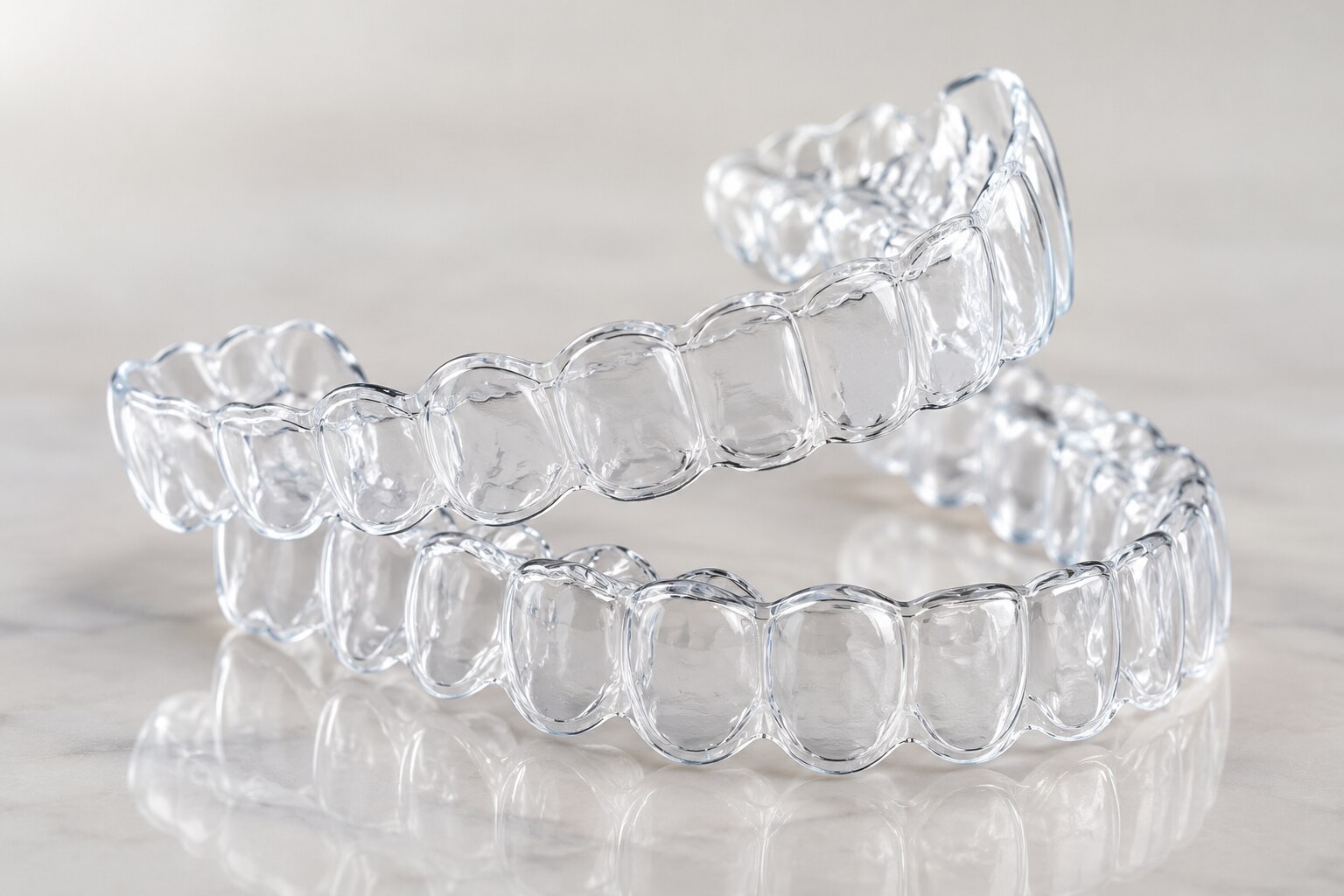
Staged trays move selected teeth incrementally, not the whole dentition at once. Each tray has a slightly different shape and presses on planned teeth, guiding limited movements before the next tray takes over. This is how clear aligners move teeth through a sequence rather than one forceful adjustment.
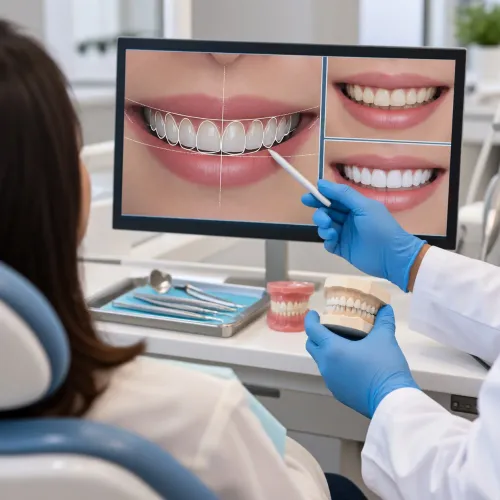
Treatment planning for aligners begins with an examination, photographs, digital scans or physical impressions, and a bite assessment. The clinician uses these records to plan tray shapes, attachments if needed, and the intended sequence. A digital animation shows that plan, not a guarantee: biological response and movement predictability vary between patients and tooth movements.
After fitting, you receive instructions to change trays on the prescribed schedule, commonly every 1–2 weeks. Progress reviews check fit, comfort, bite changes, and whether teeth are tracking the planned positions.
If a tooth falls behind, the clinician may take refinement scans or impressions and prescribe additional trays rather than moving directly to the final tray.
| Appliance | Purpose | What happens |
|---|---|---|
| Active aligners | Move teeth | Apply pressure to selected teeth during the planned sequence |
| Retainers | Hold the result | Maintain tooth positions after active movement ends |
The final active tray is followed by retention. Retainers are not spare aligners; stopping their prescribed wear can allow teeth to shift again.
The daily routine: wear time, meals, cleaning, and practical problems
Keep aligner wear time at roughly 20–22 hours per day. Leaving trays out for meals, work, travel, or social events is manageable once; repeated long gaps can let teeth move back, causing a tray to stop fitting and delaying the sequence.
1. Remove aligners for all food and drinks except water. Eating and drinking with aligners traps sugar and acid against enamel, increasing plaque, odour, demineralisation, and gum inflammation. Brush your teeth before replacing the trays.
2. Clean clear aligners every day with cool or lukewarm water and a soft toothbrush. Hot water can distort the plastic. Rinse trays after removal, and brush and floss your teeth before putting them back.
3. Expect mild tightness when changing trays, but never force a badly fitting aligner. Contact the treating clinician if it will not seat, a sharp edge repeatedly cuts your cheek, speech changes do not settle, or excess saliva continues.
4. For a lost aligner, do not improvise a replacement or automatically move to the next tray. Contact the clinician and follow the prescribed backup instruction. Report a detached attachment promptly; the tooth may stop tracking without it.
Carry a ventilated case, not a tissue, when trays are out. Store them safely during meals and rinse them before reinsertion. Sugary or acidic drinks inside the trays are particularly damaging because the plastic holds the liquid against your teeth.
When aligners need attachments, enamel reshaping, or another appliance
Aligners handle mild-to-moderate crowding and spacing, plus simple tipping and limited alignment. Tooth-coloured attachments give the tray extra grip for harder movements, while elastic hooks let you wear elastics with aligners to improve particular bite relationships.
Interproximal reduction removes a planned, limited amount of enamel between selected teeth to create space. A clinician decides the teeth and amount after assessing enamel thickness, tooth shape and contact points; it is not home filing. The plastic edges, attachments and IPR spaces can still show at close range.
Clear aligners versus braces involves a trade-off:
| Option | Visibility and hygiene | Control and compliance |
|---|---|---|
| Clear aligners | Least noticeable; removable for brushing and flossing | Require about 20–22 hours of wear; less predictable for difficult movements |
| Ceramic braces | Tooth-coloured but fixed; cleaning needs extra care | Strong control without relying on removal discipline |
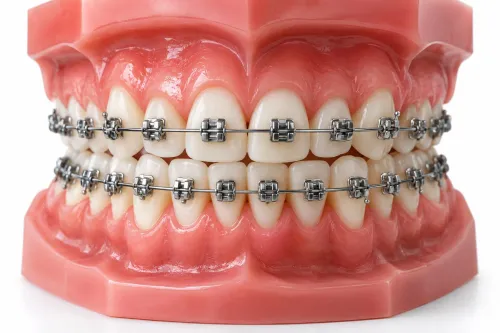
| Metal braces | Most visible; fixed and harder to clean around | Broad control of complex movements and continuous force |
Significant rotations, extrusion, bodily translation, root control, severe crowding, extraction spaces and impacted teeth are less predictable with aligners alone. Fixed braces, expanders, extraction, or combined orthodontic treatment may be recommended; a jaw-related overbite or underbite can require orthognathic surgery.
Whitening changes colour, while veneers or laminates change tooth shape. Neither corrects tooth position or a jaw relationship.
The examination that decides whether discreet treatment is safe and suitable
A scan records tooth surfaces, and a visible smile shows only what you can see; neither can reveal roots, bone levels, jaw relationships, hidden decay, or active periodontal disease.
General suitability for teenagers and adults does not tell you whether aligners fit your bite, gum health, bone support, crowding, spacing, or impacted-teeth situation.
A clinical examination for clear aligners should follow a defined process:
- The clinician checks decay, existing fillings, gum inflammation, periodontal pockets, tooth mobility, bite relationships, jaw position, and available bone support. A loose tooth or untreated cavity can change the treatment plan.
- They decide whether you need X-rays before orthodontic treatment. Radiographs can show root shape, bone levels, impacted teeth, hidden decay, and signs that increase root resorption risk.
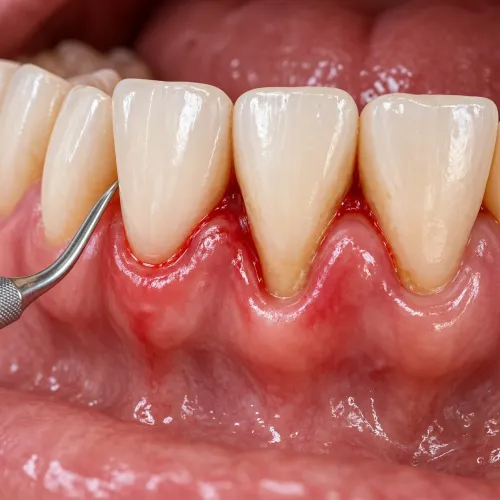
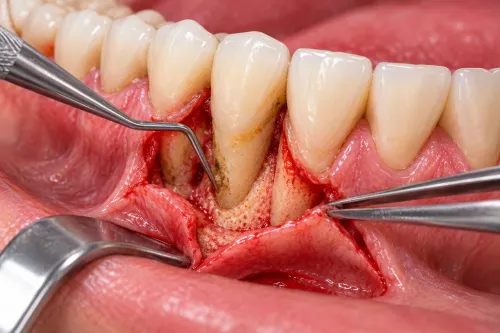
- They assess gum health and aligners together. Active periodontal disease must be treated and stabilised before tooth movement because moving teeth through inflamed tissues or inadequate support can worsen attachment and bone loss.
- Ask whether the clinician will review your records with you, identify movement limitations, explain attachments and interproximal reduction (IPR), disclose refinement and replacement policies, and provide a retainer plan.
Dr. Panjiars Dental Clinic can be useful when orthodontic planning must account for gum, restorative, surgical, or impacted-tooth concerns, because those factors may require coordinated care rather than aligners alone.
Related service
Clear and discreet aligners Comfortable and removable design Gradually straightens teeth without metal wires Ideal for both teens and adults View service → |
Time, interruptions, refinements, and keeping the result
A quoted clear aligner treatment duration is an estimate, not a promise. The starting bite, movement complexity, wear consistency, missed reviews, lost trays, detached attachments, biological response and refinement needs all affect the final timeline. The planned tray count is not necessarily the final count.
Treatment takes longer when teeth stop tracking or a tray is damaged or lost. Your responsibilities are straightforward:
- Wear each aligner for the prescribed schedule, usually about 20–22 hours daily.
- Clean your teeth before replacing it, and clean the tray with cool or lukewarm water and a soft brush.
- Attend reviews so the clinician can check tracking and attachments.
- Report poor fit, a damaged attachment or a lost aligner promptly. Do not force a badly fitting tray or restart after interrupted orthodontic treatment without advice.
Ask before starting whether scans, reviews, replacement trays, attachments, refinement aligners and retainers are included in the fee. Each item can also add appointments and waiting time.
After the last active tray, further scans may identify incomplete movements. Retainers after aligners hold teeth in position; they do not continue active treatment. Teeth can relapse as periodontal tissues remodel, and ageing plus pressure from the lips, cheeks and tongue continue to change their position.
Stopping retainer wear can therefore shift teeth even after an apparently successful result. Follow the prescribed long-term maintenance schedule and replace worn or damaged retainers promptly.
Frequently asked questions
How do staged aligners move teeth?
Each tray applies planned pressure to selected teeth, then the next tray continues the sequence with a slightly different shape.
How long each day should you wear clear aligners?
Wear them for about 20–22 hours daily, removing them for meals, drinks other than water, and cleaning.
Do clear aligners always work without attachments?
No. Attachments, enamel reshaping, or another appliance may be needed for complex movements or limited space.
What happens if aligners do not fit or treatment is interrupted?
Contact your orthodontic provider, avoid forcing a poorly fitting tray, and discuss a revised sequence or refinement.