Many people become anxious when they hear the words root canal treatment. This concern often comes from outdated experiences or common myths rather than modern dental care. Today, a Painless Root Canal is possible in many cases because of improved diagnostic tools, advanced anaesthesia techniques, and modern treatment methods that focus on patient comfort.
Rather than fearing the procedure, it is helpful to understand how root canal treatment works and why it is often the best way to save a damaged natural tooth.
Why Is a Root Canal Needed?
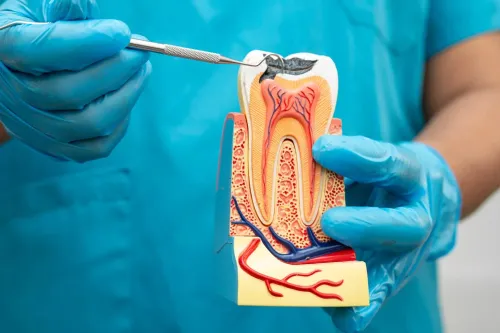
Inside every tooth is a soft tissue called the pulp, which contains nerves and blood vessels. When this tissue becomes infected or inflamed, the tooth may become painful and sensitive.
Common causes include:
- Deep tooth decay
- Cracked or fractured teeth
- Repeated dental procedures on the same tooth
- Trauma to the tooth
- Severe wear exposing the inner tooth structure
Without treatment, the infection may spread and eventually lead to tooth loss.
Signs That Should Not Be Ignored
A dentist may recommend root canal treatment if you experience:
- Persistent toothache
- Pain while chewing
- Sensitivity to hot or cold that continues after the stimulus is removed
- Swelling around the gums
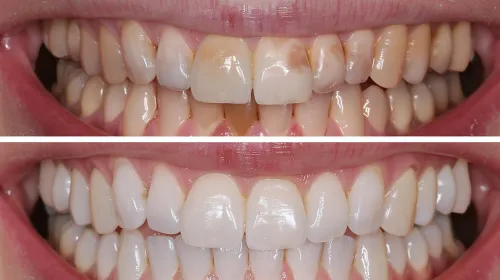
- Tooth discoloration
- A small pimple-like swelling on the gums
- Tenderness when biting
These symptoms do not always indicate the same condition, but they should be professionally evaluated.
Why Modern Root Canal Treatment Is More Comfortable
Dental technology has advanced significantly over the years.
Modern treatment may include:
- Effective local anaesthesia
- Digital X-rays for precise diagnosis
- Rotary endodontic instruments
- Electronic apex locators
- Improved disinfection techniques
- High-quality filling materials
These innovations help make treatment more efficient while reducing discomfort during the procedure.
What Happens During the Procedure?
Although every case is different, treatment generally follows these steps:
- Examination and digital imaging
- Administration of local anaesthesia
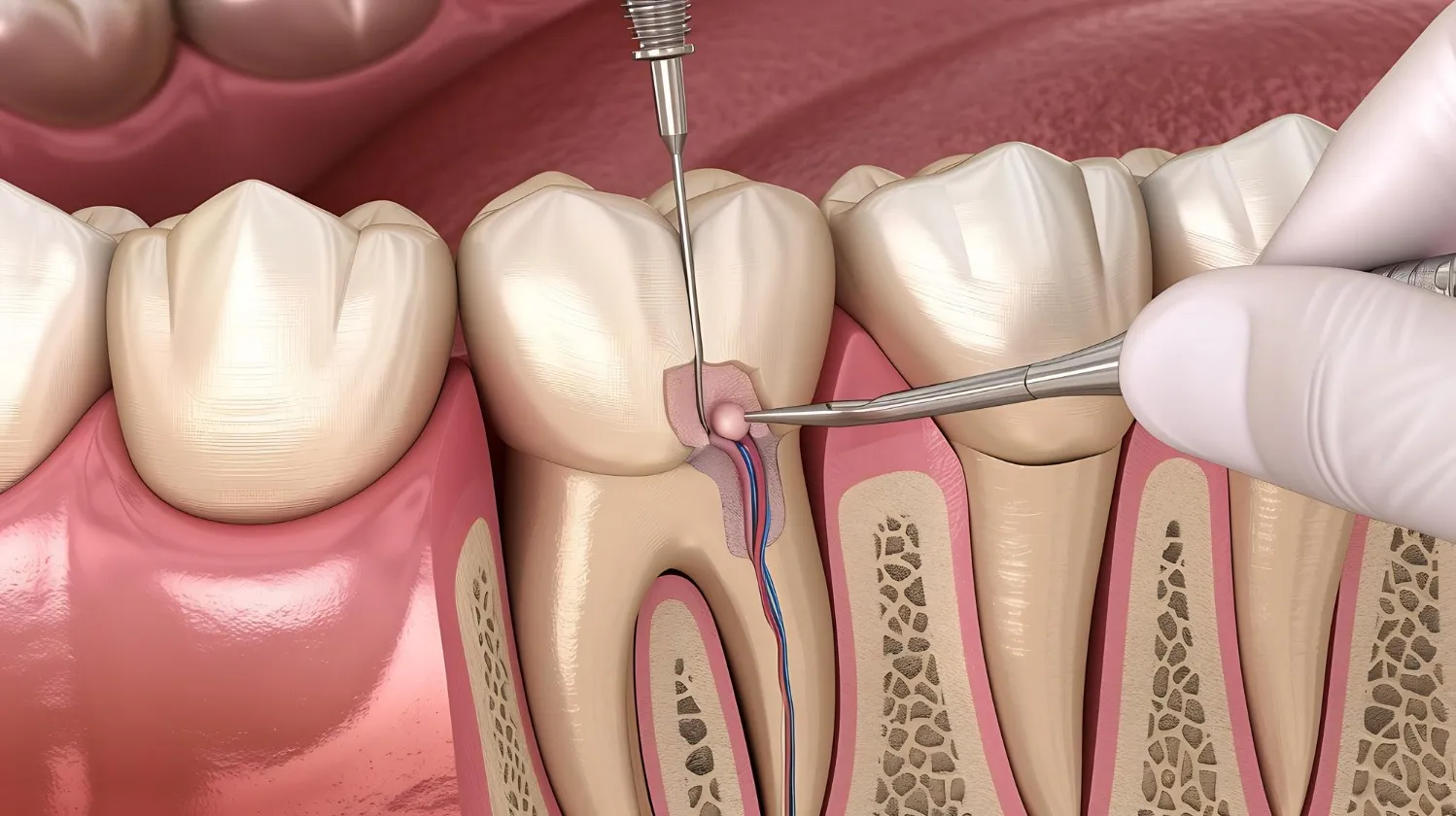
- Removal of infected pulp tissue
- Cleaning and shaping of the root canals
- Disinfection of the canals
- Sealing the canals with a specialised filling material
- Placement of a permanent restoration or dental crown if required
The exact number of visits depends on the condition of the tooth.
Recovery After Treatment
Most patients return to their normal routine soon after the procedure.
During recovery, it is helpful to:
- Avoid chewing on the treated tooth until permanent restoration
- Brush and floss normally
- Take prescribed medication if advised
- Attend follow-up appointments
- Contact the dentist if swelling or severe discomfort develops
A properly restored tooth can continue functioning for many years.
Can Root Canal Treatment Prevent Tooth Extraction?
In many situations, yes. Saving the natural tooth is generally preferred because it helps maintain:
- Natural chewing function
- Jaw alignment
- Neighbouring tooth stability
- Bone health
- Bite balance
Whenever possible, preserving the original tooth is often considered the most conservative treatment approach.
People living in NIBM and surrounding parts of Pune often seek treatment before tooth pain becomes severe. At Dr. Panjiar's Multispeciality Dental Centre, every case is carefully assessed to determine whether a painless root canal is the most appropriate solution for preserving the natural tooth while prioritising patient comfort through modern dental techniques.
Keywords