Some dental concerns can be treated with fillings, crowns, or routine extractions, while others require more specialised care. Conditions involving the jawbone, facial bones, impacted teeth, oral cysts, facial injuries, or complex infections often need a higher level of expertise. This is where maxillofacial surgery plays an important role, combining advanced surgical techniques with comprehensive dental care to restore oral function, facial structure, and overall health.
For people living in Hadapsar, Pune, understanding when maxillofacial surgery is recommended can help reduce anxiety and encourage timely treatment for conditions that may worsen if left untreated.
What Is Maxillofacial Surgery?
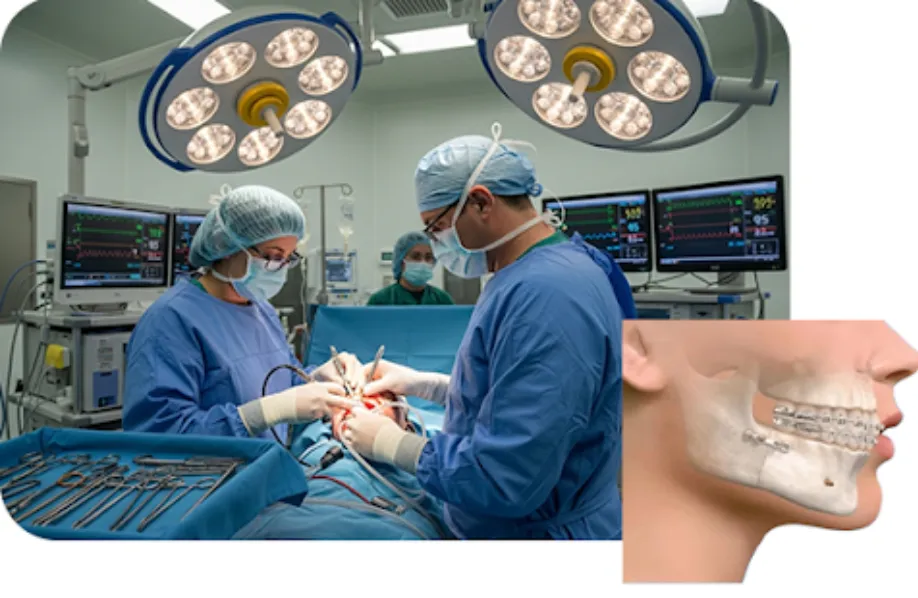
Maxillofacial surgery is a specialised branch of dentistry that focuses on diagnosing and treating diseases, injuries, and defects affecting the mouth, jaws, face, and surrounding structures.
The goal is not only to address the immediate problem but also to restore normal function, improve facial harmony, and support long-term oral health.
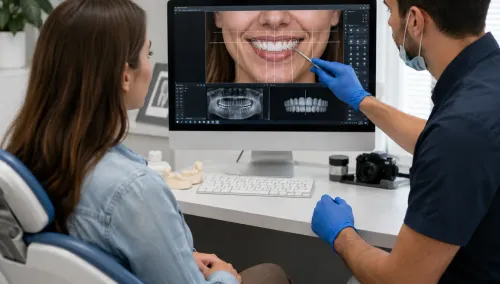
Many procedures are planned with the help of advanced imaging and digital diagnostics, allowing surgeons to perform treatment with greater precision.
When Is Maxillofacial Surgery Recommended?
Not every dental condition requires surgery. However, certain situations are best managed through specialised surgical treatment.
Your dentist may recommend maxillofacial surgery for:
- Impacted wisdom teeth
- Jaw cysts or tumours
- Facial trauma or fractures
- Severe jaw infections
- Bone grafting before dental implants
- Corrective jaw surgery
- Complex tooth extractions
- Oral soft tissue abnormalities
Each treatment plan is based on a thorough clinical examination and diagnostic findings.
Common Conditions Treated by Maxillofacial Surgeons
Maxillofacial surgeons manage a wide range of conditions that affect both oral health and facial function.
These include:
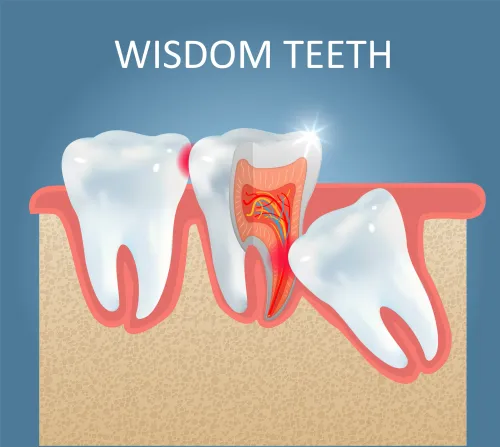
Impacted Teeth
Some teeth remain trapped beneath the gums or bone, causing pain, infection, or damage to neighbouring teeth.
Facial Injuries
Road accidents, sports injuries, and falls can result in fractures of the jaw or facial bones that require surgical stabilisation.
Jawbone Defects
Bone loss due to missing teeth or previous infections may require bone grafting before dental implant placement.
Oral Lesions
Certain cysts, growths, or soft tissue abnormalities require surgical removal followed by laboratory examination when necessary.
What Happens Before Surgery?
Careful planning is an important part of successful maxillofacial treatment.
The evaluation usually includes:
- Detailed medical history
- Clinical examination
- Digital dental X-rays
- Three-dimensional scans when required
- Assessment of surrounding nerves and bone
- Discussion of treatment options and expected recovery
This planning helps minimise risks and improve treatment outcomes.
Is Maxillofacial Surgery Painful?
Many patients become anxious simply because the word 'surgery' sounds intimidating.
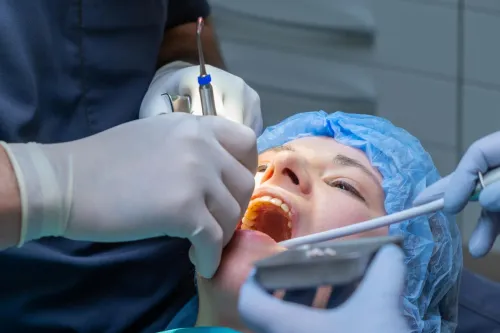
In reality, most procedures are performed under local anaesthesia, sedation, or general anaesthesia depending on the complexity of the case. During the procedure, patients should not experience pain, although some swelling or mild discomfort during recovery is normal.
The dental team also provides medications and detailed post-operative instructions to support comfortable healing.
Recovery After Maxillofacial Surgery
Healing depends on the type of procedure performed and the individual's overall health.
Most patients are advised to:
- Get adequate rest during the initial recovery period
- Follow prescribed medications carefully
- Eat soft, nutritious foods
- Maintain gentle oral hygiene
- Avoid smoking and alcohol while healing
- Attend scheduled follow-up appointments
Following these recommendations helps reduce complications and supports healthy tissue recovery.
Why Early Diagnosis Is Important
Some jaw-related conditions develop gradually and produce very few symptoms during the early stages. Delaying treatment may allow the condition to progress, making future management more complicated.
Early evaluation can help:
- Prevent the spread of infection
- Preserve healthy bone
- Reduce damage to nearby teeth
- Improve treatment planning
- Shorten recovery in many situations
Regular dental examinations often identify problems before they become severe enough to cause noticeable discomfort.
Choosing Experienced Surgical Care
Maxillofacial surgery often involves careful coordination between diagnosis, treatment planning, and post-operative care. Selecting a dental centre that uses modern diagnostic technology and follows evidence-based surgical protocols helps patients receive treatment that is appropriate for their individual condition.
Residents of Hadapsar increasingly seek specialised care for complex dental and jaw-related conditions rather than delaying treatment until symptoms become severe. Dr. Panjiar's Multispeciality Dental Centre provides comprehensive assessment for maxillofacial surgery, combining advanced imaging, personalised treatment planning, and patient-focused care to manage complex oral and facial conditions while supporting safe recovery and long-term oral health.
Keywords