A persistent toothache rarely disappears on its own. While some dental discomfort may be temporary, pain that continues for several days or becomes more intense often signals an underlying problem that needs professional attention. One of the most common treatments recommended for an infected tooth is a painless root canal treatment, a procedure that has changed significantly over the years thanks to modern dental technology.
For people living in Ramtekdi, Pune, understanding when a root canal is needed and how today's techniques make the procedure comfortable can help remove unnecessary fear and encourage timely treatment.
What Is a Root Canal Treatment?
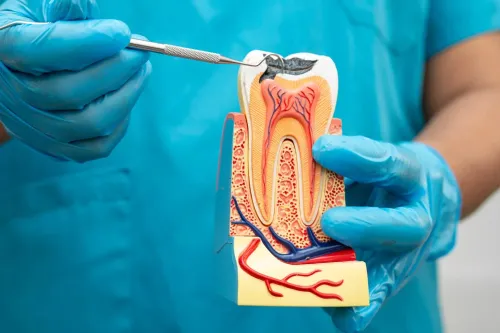
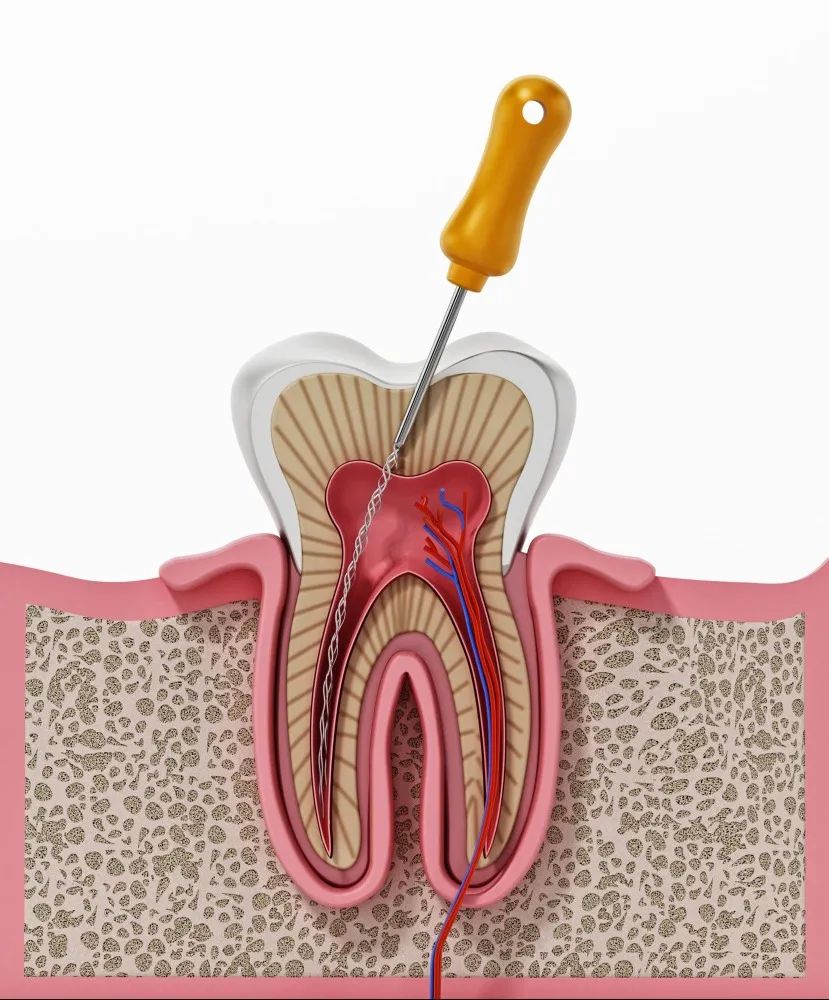
Every tooth contains a soft inner tissue called the dental pulp. This pulp consists of nerves, blood vessels, and connective tissue that help the tooth develop during its early stages.
When bacteria enter the pulp because of deep decay, a cracked tooth, repeated dental procedures, or an injury, infection can develop. If left untreated, the infection may spread beyond the tooth, leading to severe pain, swelling, or even tooth loss.
A root canal treatment removes the infected pulp, thoroughly cleans and disinfects the root canals, and seals the tooth to prevent future infection. In many cases, a dental crown is later placed to restore strength and function.
Signs You Should Not Ignore
Not every toothache requires root canal treatment, but certain symptoms deserve immediate dental evaluation.
Some common warning signs include:
- Continuous or throbbing tooth pain
- Sharp pain while biting or chewing
- Sensitivity to hot or cold that lingers
- Swelling around the affected tooth
- A small pimple-like swelling on the gums
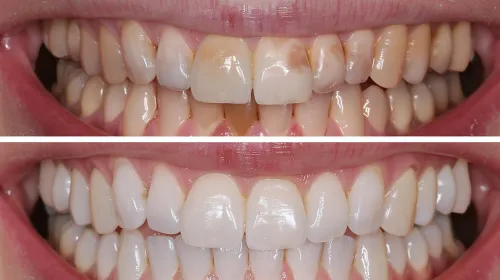
- Tooth discoloration
- Pain that keeps returning after temporary relief
Ignoring these symptoms may allow the infection to worsen, making treatment more complicated.
Why Modern Root Canal Treatment Is Different
Many people still associate root canals with painful dental experiences from decades ago. However, today's procedures are designed to relieve pain rather than cause it.
Modern dentistry has introduced several advancements that improve both comfort and precision, including:
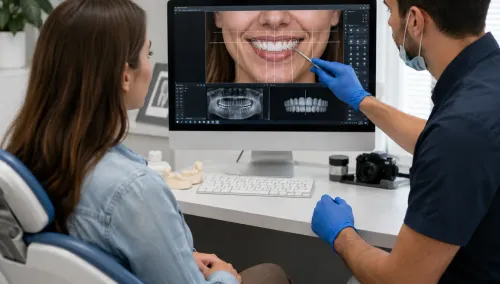
- Digital dental X-rays for accurate diagnosis
- Rotary endodontic instruments for efficient cleaning
- Advanced local anaesthesia techniques
- Electronic apex locators for improved precision
- Better sterilisation and infection control protocols
These improvements help reduce treatment time while increasing the success rate of the procedure.
Is a Root Canal Really Painful?
This is probably the question dentists hear most often.
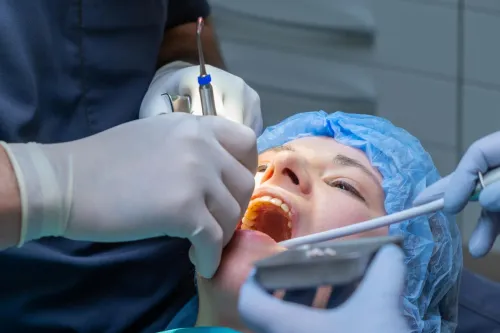
The truth is that modern root canal treatment is generally no more uncomfortable than getting a routine dental filling. Local anaesthesia numbs the affected area effectively, allowing the dentist to remove the infection with minimal discomfort.
After the procedure, some mild tenderness may be experienced for a few days as the surrounding tissues heal. This is usually temporary and can often be managed with prescribed medication.
Why Saving the Natural Tooth Matters
Whenever possible, preserving a natural tooth is usually the preferred option over extraction.
Keeping your original tooth offers several long-term benefits:
- Maintains your natural bite
- Preserves chewing efficiency
- Prevents neighbouring teeth from shifting
- Supports normal speech
- Reduces the need for complex tooth replacement procedures
- Helps maintain jawbone health
A successful root canal allows many patients to continue using their natural tooth for years with proper care.
How to Care for a Tooth After Root Canal Treatment
Once the treatment is completed, maintaining good oral hygiene becomes essential for long-term success.
Simple habits include:
- Brushing twice daily using fluoride toothpaste
- Flossing regularly
- Avoiding chewing hard foods until the final restoration is completed
- Attending routine dental check-ups
- Getting the recommended dental crown if advised by your dentist
A crown helps protect the treated tooth from fractures, especially if it has lost a significant amount of its natural structure.
Can Root Canal Treatment Be Prevented?
Although not every dental problem is avoidable, many root canals can be prevented through early dental care.
Helpful preventive practices include:
- Visiting the dentist every six months
- Treating cavities before they become deep
- Wearing a mouthguard during sports activities
- Avoiding habits such as chewing ice or hard objects
- Managing gum disease at an early stage
Routine examinations often detect small problems before they develop into serious infections.
Choosing Timely Treatment Makes a Difference
Delaying treatment because of fear or misinformation can increase the risk of complications. Early intervention often preserves more of the natural tooth and may reduce the overall complexity of treatment.
Residents of Ramtekdi are increasingly looking for dental care that combines advanced technology with patient comfort. Dr. Panjiar's Multispeciality Dental Centre follows a personalised approach to painless root canal treatment, using modern diagnostic tools and precise techniques to help preserve natural teeth while making the treatment experience as comfortable as possible. An early dental consultation remains the best step whenever persistent tooth pain or sensitivity develops.
Keywords