Healthy gums provide the foundation for strong teeth. However, advanced gum disease can gradually damage the tissues and bone supporting the teeth without causing significant pain during the early stages. When non-surgical treatment alone cannot effectively manage the condition, Periodontal Flap Surgery may be recommended to improve access for deep cleaning and support gum health.
Understanding why this procedure is performed helps patients make informed decisions about treating advanced periodontal disease.
What Is Periodontal Flap Surgery?
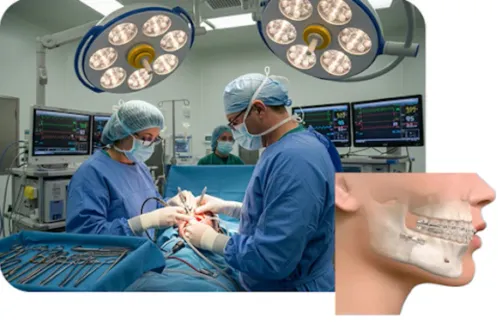
Periodontal Flap Surgery is a specialised procedure performed to treat advanced gum disease by gently lifting the gum tissue and gaining access to deep areas beneath the gums.
This allows the dentist or periodontist to:
- Remove plaque and tartar deposits
- Eliminate infected tissue
- Smooth damaged root surfaces
- Reduce deep periodontal pockets
- Support healthier gum attachment
The procedure aims to create an environment that is easier to maintain through regular oral hygiene.
When Is the Procedure Recommended?
Not every patient with gum disease requires surgery.
It may be considered when:
- Deep gum pockets remain after scaling and root planing
- Bone loss has developed
- Persistent gum inflammation continues
- Teeth become mobile due to periodontal disease
- Infection remains difficult to control
A comprehensive periodontal examination determines whether surgical treatment is appropriate.
Signs of Advanced Gum Disease
Patients should seek evaluation if they notice:
- Bleeding while brushing
- Persistent bad breath
- Swollen gums
- Gum recession
- Loose teeth
- Pus around the gums
- Changes in bite
These symptoms often indicate the need for professional periodontal assessment.
What Happens During Treatment?
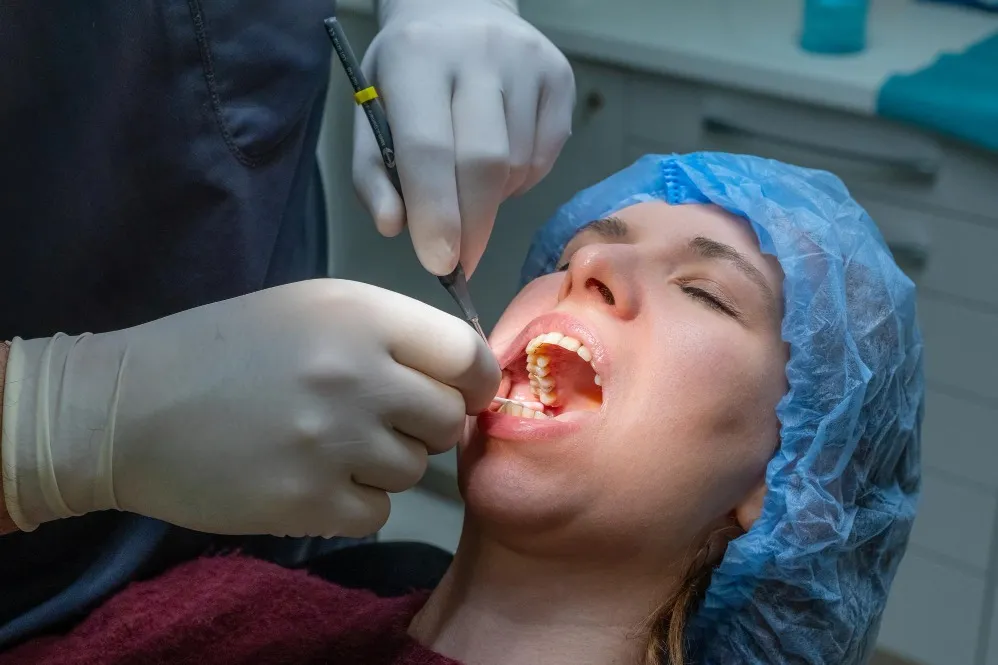
Although every case differs, the procedure generally includes:
- Local anaesthesia
- Gentle lifting of the gum tissue
- Thorough cleaning beneath the gums
- Removal of infected tissue if required
- Smoothing of root surfaces
- Repositioning and suturing of the gums
The treatment plan depends on the severity of periodontal disease.
Recovery and Aftercare
Healing usually progresses well when patients follow post-treatment instructions.
Recovery recommendations often include:
- Maintaining excellent oral hygiene
- Eating soft foods for a short period
- Avoiding smoking
- Taking prescribed medication if necessary
- Attending scheduled review appointments
Regular periodontal maintenance remains essential even after successful treatment.
Can Gum Disease Be Prevented?
Many cases of advanced periodontal disease develop gradually over time.
Preventive measures include:
- Brushing twice daily
- Cleaning between the teeth every day
- Routine professional dental cleaning
- Managing diabetes effectively
- Avoiding tobacco use
- Scheduling regular dental examinations
Early treatment often reduces the likelihood of requiring surgical intervention.
People living in Fursungi who experience persistent gum problems should seek professional assessment before the condition progresses further. At Dr. Panjiar's Multispeciality Dental Centre, patients receive comprehensive periodontal evaluations to determine whether Periodontal Flap Surgery or a non-surgical treatment approach is the most suitable option for preserving healthy gums and supporting long-term oral health.
Keywords