
Jaw discomfort is sometimes dismissed as temporary muscle strain or stress. However, recurring pain, clicking sounds, headaches, or difficulty opening the mouth may indicate a TMJ Disorder. The temporomandibular joint, commonly known as the TMJ, connects the lower jaw to the skull and plays an essential role in speaking, chewing, and yawning.
When this joint or the surrounding muscles do not function properly, daily activities can become uncomfortable. Understanding the condition and seeking early evaluation may help prevent long-term complications.
What Is TMJ Disorder?
TMJ Disorder refers to a group of conditions affecting the jaw joints, chewing muscles, and supporting structures.
The condition may develop due to one or several contributing factors, including:
- Teeth grinding
- Jaw injury
- Arthritis
- Bite irregularities
- Muscle tension
- Chronic clenching
- Stress-related habits
Every patient's symptoms and underlying causes can vary.
Common Symptoms of TMJ Disorder
People may experience one or more of the following:
- Pain near the ears
- Jaw tenderness
- Clicking or popping sounds
- Difficulty opening the mouth fully
- Jaw locking
- Headaches
- Facial muscle fatigue
- Pain while chewing
These symptoms may appear gradually or develop after an injury.
How Is the Condition Diagnosed?
A thorough examination helps determine whether the symptoms are related to the jaw joint.
Assessment may include:
- Review of medical and dental history
- Clinical examination of jaw movement
- Evaluation of bite alignment
- Palpation of jaw muscles
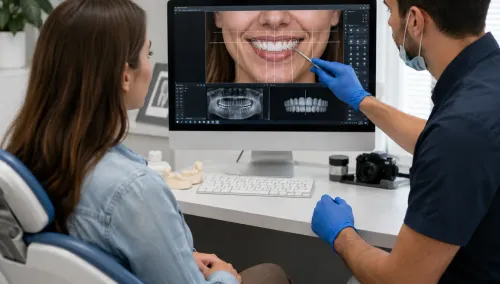
- Digital imaging when required
Identifying the actual cause allows treatment to be tailored to the patient's needs.
Treatment Depends on the Underlying Cause
Not every patient requires the same type of treatment.
Management may involve:
- Lifestyle modifications
- Jaw exercises
- Bite adjustment where appropriate
- Night guards for teeth grinding
- Medication when clinically indicated
- Stress management strategies
- Referral for additional care if necessary
Many patients improve with conservative treatment when the condition is diagnosed early.
Daily Habits That May Help Reduce Symptoms
Simple lifestyle changes often support recovery.
Helpful measures include:
- Avoid chewing hard foods during painful episodes
- Reduce excessive gum chewing
- Maintain good posture while working
- Apply warm compresses if advised
- Avoid excessive jaw movements
- Practise relaxation techniques to minimise muscle tension
These measures should complement, not replace, professional evaluation.
When Should You Visit a Dentist?
Professional assessment is recommended if jaw discomfort:
- Persists for several weeks
- Interferes with eating
- Causes repeated headaches
- Leads to jaw locking
- Produces significant clicking with pain
- Affects normal mouth opening
Early diagnosis often makes treatment more effective and may prevent worsening symptoms.
Residents of Malwadi and nearby areas of Pune who experience persistent jaw pain or clicking should not ignore these signs. At Dr. Panjiar's Multispeciality Dental Centre, patients with suspected TMJ Disorder undergo a comprehensive evaluation to identify contributing factors and develop an individualised treatment plan focused on restoring comfortable jaw function.
Keywords