Changes to the face caused by injury, surgery, birth conditions, or disease can affect much more than appearance. Speaking, eating, breathing, and daily confidence may also become challenging. A maxillofacial prosthesis is a specialised restoration designed to replace missing facial or oral structures and help improve both function and appearance for individuals living with these conditions.
Modern prosthetic rehabilitation combines advanced materials with customised planning to provide solutions that are comfortable, natural-looking, and designed specifically for each patient.
What Is a Maxillofacial Prosthesis?
A maxillofacial prosthesis is an artificial replacement created for patients who have lost parts of the face, jaw, mouth, or surrounding structures.
These prostheses may be recommended following:
- Oral cancer surgery
- Facial trauma
- Congenital conditions
- Severe infections
- Removal of facial tumours
Each prosthesis is individually designed to match the patient's anatomy and functional requirements.
Different Types of Maxillofacial Prostheses
Treatment varies according to the affected area. Common examples include:
- Obturators for defects in the upper jaw
- Artificial ears
- Artificial noses
- Artificial eyes
- Facial prostheses following tumour surgery
- Palatal prostheses for speech improvement
The selection depends on the patient's medical condition and rehabilitation goals.
How Does the Treatment Process Work?
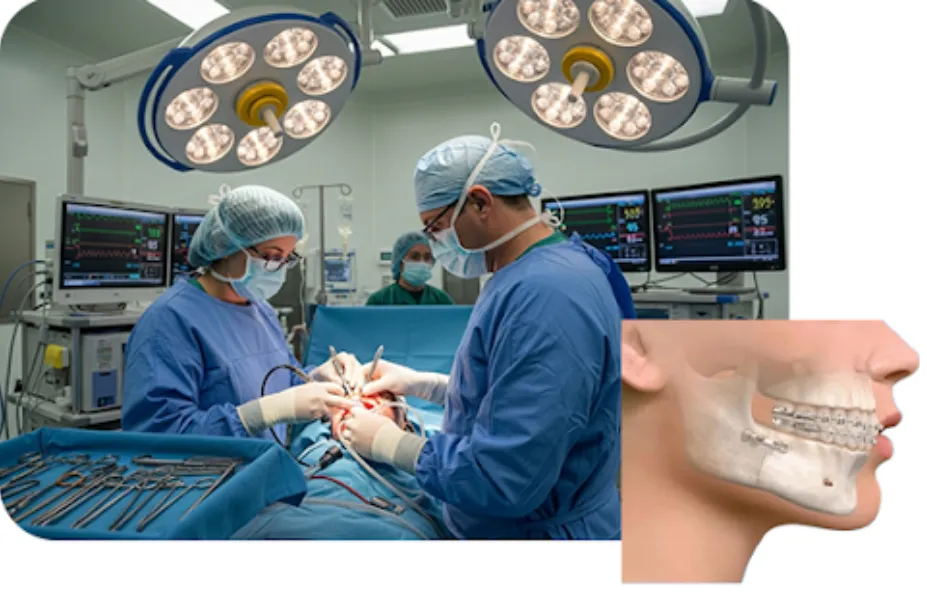
Creating a prosthesis involves careful planning and collaboration between dental professionals and, in many cases, surgeons.
The process may include:
- Comprehensive examination
- Digital scans or impressions
- Treatment planning
- Fabrication of a customised prosthesis
- Fitting and adjustments
- Periodic reviews for maintenance
Every step focuses on achieving a comfortable fit while restoring function as effectively as possible.
Benefits Beyond Appearance
Although aesthetics are important, a maxillofacial prosthesis offers several practical advantages.
Patients may experience improvements in:
- Speech clarity
- Chewing ability
- Swallowing function
- Facial symmetry
- Self-confidence
- Social interaction
- Overall quality of life
The rehabilitation process often supports both physical recovery and emotional well-being.
Who May Benefit?
A prosthesis may be appropriate for individuals who have experienced:
- Surgical removal of oral or facial tissues
- Congenital facial abnormalities
- Major facial injuries
- Jaw defects
- Loss of facial structures due to disease
An evaluation by an experienced dental professional helps determine the most suitable rehabilitation approach.
Caring for a Maxillofacial Prosthesis
Proper maintenance helps extend the life of the prosthesis and supports oral hygiene.
Patients are generally advised to:
- Clean the prosthesis as instructed
- Handle it carefully during removal and placement
- Attend scheduled follow-up appointments
- Report discomfort or fitting issues promptly
- Follow recommended hygiene practices
Regular reviews also allow adjustments when natural tissue changes occur over time.
Why Personalised Planning Matters
Every facial defect is unique, making individualised treatment essential. Factors such as facial anatomy, remaining oral structures, medical history, and lifestyle all influence the final design.
Advances in digital dentistry have also improved precision, allowing prostheses to achieve better comfort and appearance than many traditional methods.
Patients living in Magarpatta and surrounding areas of Pune increasingly seek specialised rehabilitation following oral surgery and facial reconstruction. At Dr. Panjiar's Multispeciality Dental Centre, treatment planning for maxillofacial prosthesis cases focuses on restoring function while considering each patient's individual needs, helping them regain confidence and improve their day-to-day quality of life.
Keywords