A damaged tooth does not always need to be removed. In many cases, a well-designed dental crown can restore its strength, appearance, and function for many years. While traditional crown procedures have been successful for decades, digital dentistry has introduced a more precise and comfortable approach. Scanned advanced crowns use digital scanning technology to create highly accurate restorations that fit naturally and comfortably.
For residents of Loni Kalbhor, Pune, digital crown technology offers an opportunity to experience modern restorative dentistry with greater precision and a smoother treatment process.
What Are Scanned Advanced Crowns?
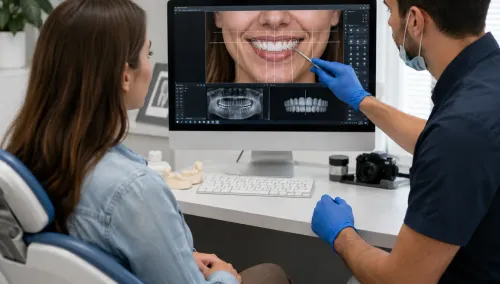
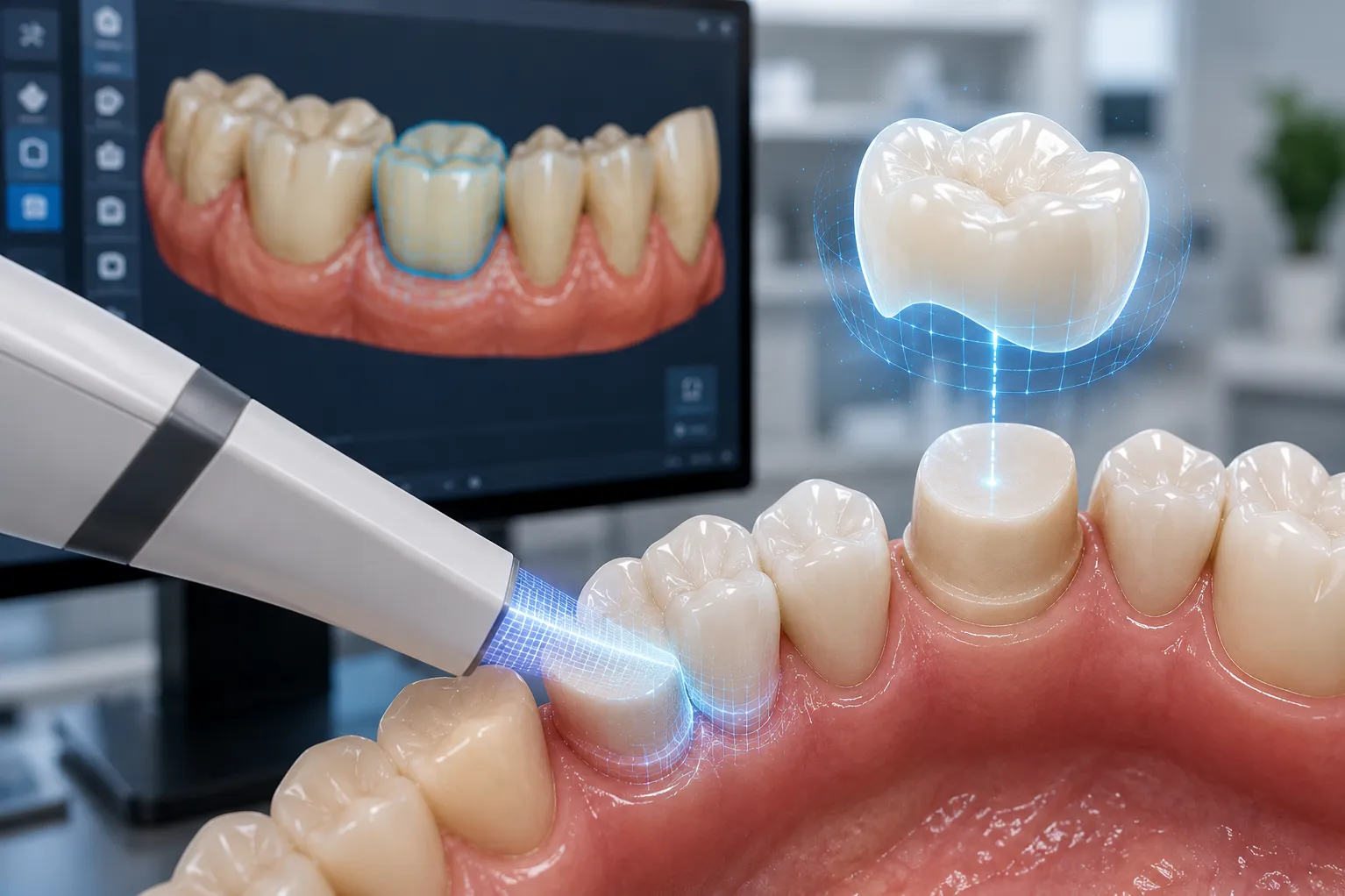
Scanned advanced crowns are dental crowns designed using digital impressions instead of conventional impression materials in many cases. An intraoral scanner captures detailed three-dimensional images of the teeth, gums, and bite, allowing the dentist to create a highly accurate digital model of the mouth.
This information is then used to fabricate a customised crown that closely matches the patient's natural tooth in shape, colour, and function.
The result is a restoration that is designed to fit more precisely while supporting long-term comfort and durability.
When Is a Dental Crown Recommended?
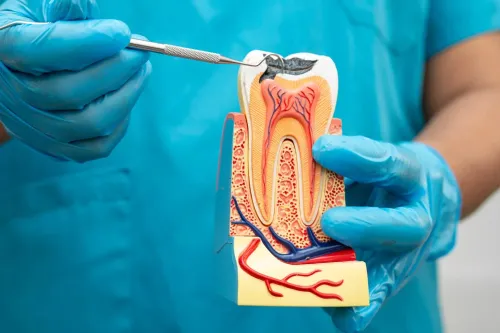
A dentist may recommend a crown when a tooth has lost significant structure but can still be preserved.
Common situations include:
- A tooth weakened after root canal treatment
- Large cavities that cannot be restored with fillings
- Fractured or cracked teeth
- Severely worn teeth
- Replacement of old or damaged crowns
- Cosmetic improvement of misshapen teeth
The objective is to restore the tooth while protecting it from further damage.
How Does Digital Scanning Improve Treatment?
Traditional impressions often require trays filled with impression material to create a mould of the teeth. Although effective, some patients find the process uncomfortable.
Digital scanning offers several advantages.
The intraoral scanner captures thousands of images within minutes, creating a detailed digital model without the need for conventional impression materials in many cases.
This technology helps improve:
- Accuracy of measurements
- Patient comfort
- Communication with the dental laboratory
- Treatment planning
- Overall restoration quality
Because the digital model is highly detailed, the final crown can often achieve a more precise fit.
Benefits of Scanned Advanced Crowns
Digital crown technology offers several practical advantages for both patients and dentists.
Some of the key benefits include:
- Highly accurate digital impressions
- Better fit and bite alignment
- Natural-looking appearance
- Improved patient comfort during scanning
- Reduced need for repeated impressions
- Enhanced planning for complex restorations
- Durable and customised restorations
These advantages contribute to a more predictable treatment experience.
What Happens During the Procedure?
The process generally involves two appointments, although the exact timeline depends on the clinical situation.
Examination and Tooth Preparation
The dentist evaluates the affected tooth and prepares it to receive the crown while preserving as much healthy tooth structure as possible.
Digital Scan
An intraoral scanner captures detailed images of the prepared tooth and surrounding teeth.
Crown Fabrication
The digital scan is used to design and manufacture a customised restoration that matches the patient's natural smile.
Final Placement
Once the crown is ready, the dentist checks its fit, bite, colour, and comfort before permanently cementing it into place.
Small adjustments may be made to ensure the restoration feels completely natural.
How Long Do Advanced Crowns Last?
The lifespan of a crown depends on several factors, including oral hygiene, chewing habits, and regular dental care.
Patients can help protect their crowns by:
- Brushing twice daily
- Flossing around the crown
- Avoiding chewing extremely hard objects
- Wearing a night guard if teeth grinding is present
- Attending routine dental examinations
With proper maintenance, well-made crowns can continue functioning effectively for many years.
Are Digital Crowns Suitable for Everyone?
Digital scanning is suitable for many restorative treatments, but the final treatment plan depends on the condition of the tooth, surrounding gums, and overall oral health.
A comprehensive dental examination allows the dentist to determine whether a scanned advanced crown is the most appropriate solution or whether another restorative treatment would provide better long-term results.
The Future of Restorative Dentistry
Digital technology continues to improve the way restorative dentistry is planned and delivered. Accurate scanning, precise crown fabrication, and personalised treatment planning allow dentists to preserve natural teeth while improving patient comfort throughout the process.
People in Loni Kalbhor are increasingly choosing digital restorative solutions that combine precision with convenience. Dr. Panjiar's Multispeciality Dental Centre incorporates advanced intraoral scanning and customised crown planning to create restorations that fit comfortably, function efficiently, and blend naturally with each patient's smile, supporting healthier teeth and long-term oral confidence.
Keywords