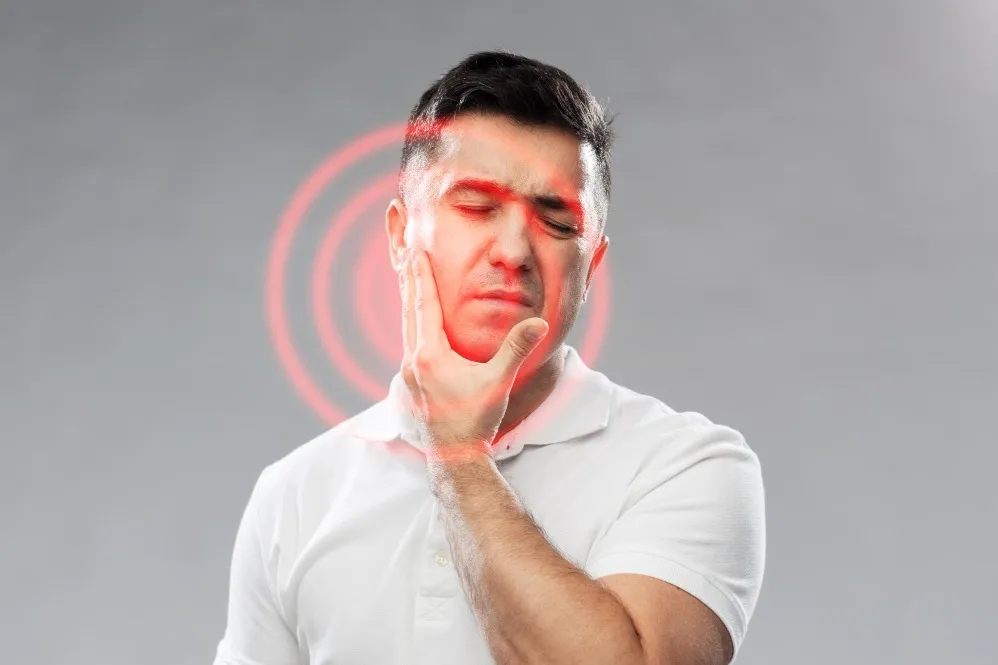
Jaw discomfort is often mistaken for a simple dental problem or temporary muscle strain. However, if you regularly experience pain while chewing, hear clicking sounds when opening your mouth, or struggle to open your jaw fully, the issue may be related to the temporomandibular joint, commonly known as the TMJ. Because these symptoms usually develop gradually, many people ignore them until everyday activities become uncomfortable.
For residents of Koregaon Park, Pune, understanding the causes of TMJ disorders and seeking timely evaluation can help prevent long-term discomfort and improve jaw function.
What Is the Temporomandibular Joint?
The temporomandibular joints are located on both sides of the face, connecting the lower jaw to the skull. These joints work together with muscles, ligaments, and surrounding tissues to allow smooth movements required for talking, chewing, yawning, and swallowing.
Since the TMJ is one of the most frequently used joints in the body, any imbalance or injury can affect daily activities.
What Is a TMJ Disorder?
A TMJ disorder refers to a group of conditions that affect the jaw joint or the muscles controlling jaw movement.
The condition may involve inflammation, muscle tension, joint dysfunction, or changes in the position of the joint's cushioning disc. The severity varies from mild discomfort to persistent pain that interferes with eating and speaking.
Not every jaw click indicates a serious problem, but recurring symptoms should always be evaluated by a dental professional.
Common Symptoms of TMJ Disorders
TMJ problems can present in different ways, and symptoms often fluctuate over time.
Some of the most common signs include:
- Pain around the jaw joint
- Clicking or popping sounds while opening or closing the mouth
- Difficulty chewing food
- Jaw stiffness
- Limited mouth opening
- Facial muscle fatigue
- Frequent headaches
- Ear pain without an ear infection
- Pain that worsens after prolonged chewing
These symptoms may affect one or both sides of the jaw.
What Causes TMJ Disorders?
There is rarely a single cause. In many cases, several contributing factors are involved.
Common causes include:
- Teeth grinding or clenching
- Jaw injuries
- Arthritis affecting the jaw joint
- Bite irregularities
- Excessive stress leading to muscle tension
- Long-term chewing of hard foods
- Poor jaw posture during certain habits
A detailed examination helps identify the factors contributing to the condition.
How Is TMJ Disorder Diagnosed?
Diagnosis begins with a comprehensive clinical evaluation.
The dentist may assess:
- Jaw movement
- Joint sounds
- Muscle tenderness
- Bite relationship
- Range of mouth opening
- History of symptoms
When necessary, digital X-rays or advanced imaging may be recommended to evaluate the joint structures in greater detail.
Accurate diagnosis is essential because jaw pain may sometimes originate from dental infections, muscle disorders, or other medical conditions.
Treatment Options for TMJ Disorders
Treatment depends on the severity of the condition and its underlying cause.
Depending on individual needs, management may include:
- Custom-made night guards for teeth grinding
- Bite adjustment when appropriate
- Jaw exercises
- Lifestyle modifications
- Stress management techniques
- Medication for pain and inflammation when required
- Physiotherapy referrals in selected cases
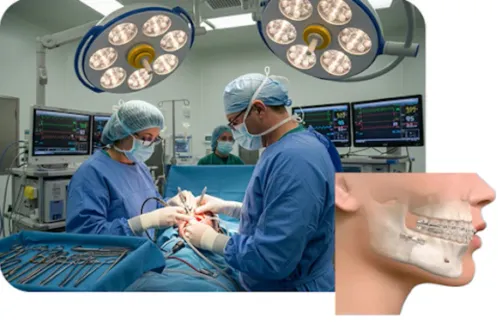
Surgical intervention is usually considered only for specific conditions after conservative treatments have been explored.
Self-Care Measures That May Help
Patients with mild symptoms are often advised to adopt simple lifestyle changes alongside professional treatment.
These may include:
- Eating soft foods during painful episodes
- Avoiding excessive chewing
- Limiting wide mouth opening
- Applying warm compresses
- Practising gentle jaw relaxation exercises
- Managing stress levels
While these measures may reduce discomfort, they should not replace a professional evaluation if symptoms persist.
When Should You Visit a Dentist?
Many people delay treatment because jaw pain comes and goes. However, recurring symptoms should never be ignored.
A dental consultation is advisable if you experience:
- Persistent jaw pain
- Difficulty opening the mouth
- Frequent jaw locking
- Repeated clicking with discomfort
- Pain while chewing
- Headaches associated with jaw movement
Early diagnosis often prevents the condition from progressing and allows more conservative treatment options.
Restoring Comfortable Jaw Function
The jaw plays a vital role in everyday activities, and even minor joint problems can gradually affect quality of life if left untreated. Identifying the cause of the symptoms is the first step towards restoring comfortable movement and preventing further complications.
People in Koregaon Park increasingly seek comprehensive evaluation for persistent jaw discomfort rather than relying on temporary pain relief alone. Dr. Panjiar's Multispeciality Dental Centre provides personalised TMJ disorder assessment using detailed clinical examination and modern diagnostic techniques, helping patients receive treatment plans that focus on improving jaw function, reducing discomfort, and supporting long-term oral health.
Keywords