
Jaw discomfort can make seemingly simple activities such as eating, speaking, laughing, and yawning uncomfortable. One possible reason is TMJ Disorder, a term used for problems affecting the temporomandibular joint and the muscles associated with jaw movement.
For people living in Loni Kalbhor, Pune, Maharashtra, persistent jaw symptoms should not automatically be assumed to be a tooth problem. The jaw joints are complex structures, and discomfort can develop from several contributing factors.
What the TMJ Actually Does
The temporomandibular joints are located on either side of the face where the lower jaw connects to the skull. These joints allow the movements needed for chewing and speaking.
Because the joint works together with muscles, ligaments, teeth, and the bite, symptoms may arise when one part of this system is strained.
Common complaints include:
- Jaw pain
- Clicking during movement
- Difficulty opening the mouth fully
- Jaw stiffness
- Pain while chewing
- Facial muscle tenderness
- Ear-area discomfort
- Headaches associated with jaw tension
- Temporary jaw locking
A clicking sound alone does not always indicate a serious problem. However, clicking accompanied by pain, restricted movement, locking, or worsening symptoms deserves assessment.
Why Jaw Problems Develop
There is no single explanation for every TMJ problem. Teeth grinding and clenching can place repeated pressure on the jaw muscles. Stress-related muscle tension may also contribute.
Other possible factors include joint inflammation, previous trauma, changes within the joint, muscle dysfunction, and certain bite-related concerns.
This is why self-diagnosing TMJ symptoms based only on their location can be misleading.
How Dental Assessment Helps
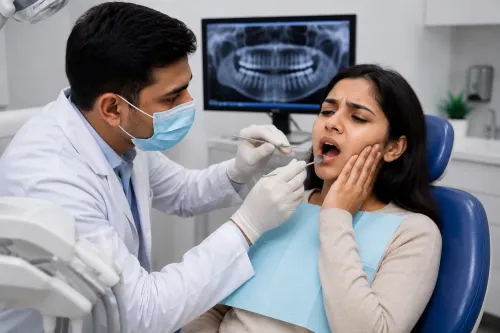
A dental examination for persistent jaw symptoms may include evaluating mouth opening, jaw movement, areas of tenderness, tooth wear, bite characteristics, and joint sounds.
The dentist may also ask when the symptoms occur. Morning jaw stiffness, for example, may raise questions about nighttime clenching or grinding.
Imaging may be considered when the clinical findings suggest that a closer look at the joint, teeth, or surrounding structures is required.
Treatment Depends on the Cause
TMJ management is rarely a single standard procedure. Some patients benefit from conservative measures such as dietary modification during painful episodes, jaw exercises, habit awareness, and management of clenching.
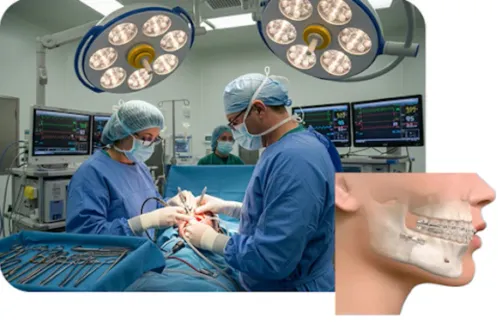
Selected patients may require an occlusal appliance or other dental intervention. More complex joint conditions can need multidisciplinary assessment.
The important point is to identify the likely source of the symptoms before choosing treatment.
At Dr. Panjiar's Multispeciality Dental Centre, jaw-related complaints can be evaluated alongside the patient’s dental and bite condition. People from Loni Kalbhor and surrounding parts of Pune can use such an assessment to understand whether symptoms are associated with the TMJ, teeth, muscles, or another oral condition.
Jaw pain that keeps returning, interferes with chewing, limits mouth opening, or causes locking should not simply become something a person learns to live with. Understanding its cause is the first meaningful step toward appropriate management.
Keywords