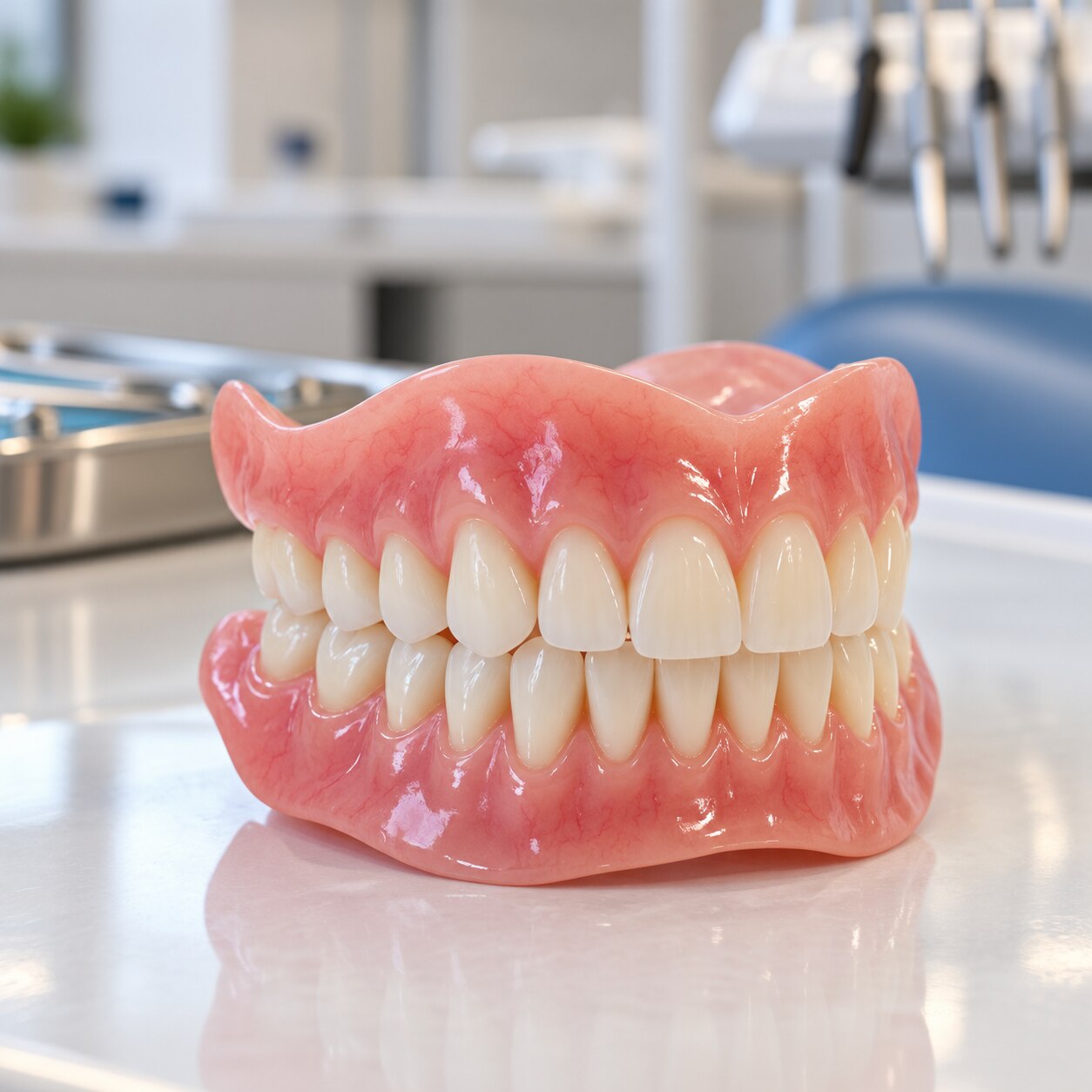
A complete denture is considered when every tooth in one arch is missing or when the remaining teeth cannot be predictably saved. The decision requires more than counting missing teeth: you need to weigh tooth prognosis, gum and bone conditions, health, maintenance ability, and alternatives before choosing removable dentures.
Key takeaways
- Preserve any teeth that can be predictably restored and maintained.
- Complete dentures can replace all teeth in one arch or both arches.
- Ask about implants, overdentures, and fixed options before choosing dentures.
- Plan follow-up adjustments because comfort and speech improve with adaptation.
Which dental problems can lead to a complete-denture recommendation?
A complete dentures recommendation can follow complete tooth loss, hopeless remaining teeth, advanced periodontal disease, or a planned full-mouth extraction. It may replace all teeth in the upper arch, lower arch, or both; having many missing teeth alone does not justify removing those that can be predictably preserved.
| Situation | Why complete dentures may be considered | What the dentist assesses |
|---|---|---|
| No remaining teeth | A complete denture replaces every tooth in that arch. | Ridge shape, oral tissues, bite, saliva, and support for the appliance |
| Non-restorable teeth | Extensive decay and fractures may leave too little sound structure for predictable treatment. | Infection, remaining tooth structure, and whether a filling, crown, or root-canal treatment could succeed |
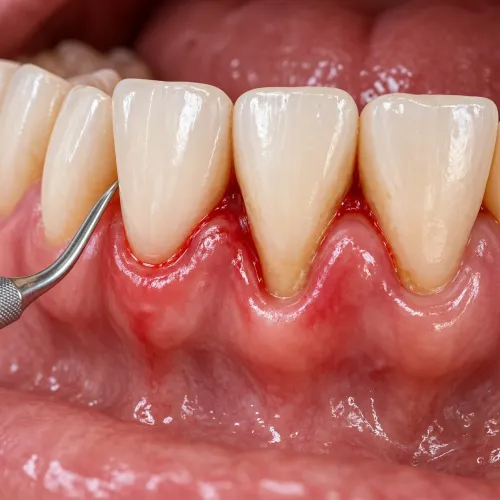
| Advanced periodontal disease | Severe bone loss and mobility can make teeth unreliable or difficult to maintain. | Periodontal support, mobility, infection, cleaning ability, and future stability |
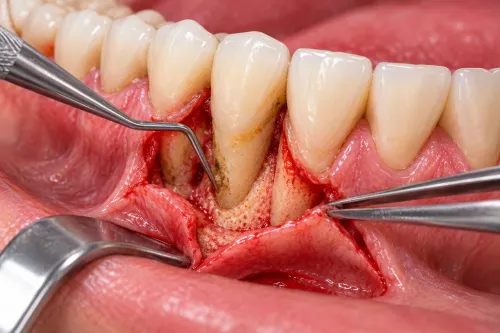
| Planned full-mouth extraction | Extraction may be selected when the remaining teeth have a hopeless prognosis. | Healing, bone and ridge anatomy, medical factors, and replacement options |
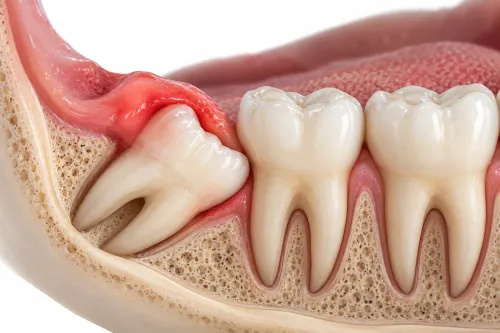
The dentist weighs each tooth’s remaining structure, infection risk, mobility, bone support, ability to receive a filling, crown, or root-canal treatment, and likelihood of remaining maintainable. A tooth with a reasonable restorative or periodontal prognosis may be worth preserving for natural function or as support for a removable partial denture or overdenture.
Complete dentures are therefore one outcome of a prognosis-based decision, not the default response to extensive tooth loss. Removing salvageable teeth can eliminate useful support and natural function, while retaining teeth with an uncertain prognosis can lead to repeated infection or repair. The recommendation should follow documented comparison of preservation, staged treatment, and full-mouth extraction.
How do complete dentures compare with the other replacement options?
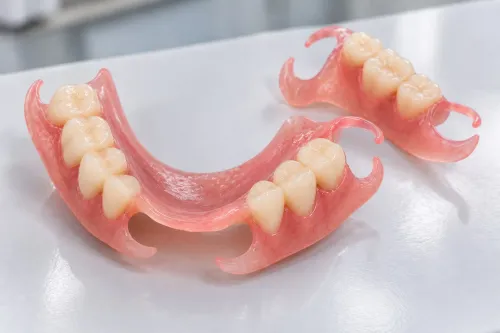
Complete denture vs partial denture depends on how many teeth remain and whether they are worth preserving. A complete denture replaces every tooth in the upper arch, lower arch, or both, and you remove it for cleaning. A partial denture replaces some missing teeth and gains support from remaining teeth or oral tissues.
| Option | What it means | Main trade-off |
|---|---|---|
| Complete denture | Removable replacement for every tooth in one arch | Avoids implant surgery but relies more on ridge and tissue support |
| Partial denture | Removable replacement for some missing teeth | Preserves suitable teeth but depends on their strength and maintenance |
| Overdenture | Removable appliance supported by retained roots or implants | Improves support while retaining some roots or using implants |
| Implant-supported denture | An implant-retained overdenture that you remove for cleaning | Better retention, but requires surgery, hygiene, healing time, and cost |
| Fixed implant bridge | A bridge attached to implants and not removed by you | Greater fixed stability, with higher surgical and maintenance demands |
| Full-mouth rehabilitation | A plan combining crowns, bridges, implants, periodontal care, and bite correction | Treats the whole mouth rather than supplying one removable appliance |
Implants require suitable bone or grafting, medical suitability, meticulous hygiene, treatment time, and a larger financial commitment. Conventional complete dentures avoid implant surgery, but adaptation and chewing depend more on saliva, muscle control, and the shape of the supporting tissues.
A reasonable tooth may be better retained for natural function or to support a partial denture or overdenture. The decision should follow your anatomy, health, maintenance ability, and goals—not tooth loss alone.
What does the assessment involve before teeth are removed or dentures are designed?
A denture assessment determines whether complete dentures are appropriate and whether you can wear, remove, clean, and maintain them. It also identifies problems that extraction could worsen, including infection, poor healing, or an unstable denture.
1. The clinician examines every remaining tooth, its decay, fractures, mobility, restorability, and periodontal support, then checks the gums, oral tissues, infection, jawbone and ridge shape, trauma, and signs of pathology.
2. A bite assessment records how the arches meet, while jaw movement and muscle control reveal whether you can stabilise a removable prosthesis. Saliva affects suction and comfort; dry mouth reduces retention.
The lower arch usually has less supporting area and more tongue and cheek interference than the upper arch, so ridge anatomy and neuromuscular control matter.
3. Your medical history and medications are reviewed for dry mouth, bleeding, or delayed healing. Smoking, previous denture experience, hand dexterity, vision, memory, ability to attend adjustment visits, and capacity to remove and clean the prosthesis all affect the plan.
4. Ask whether salvageable teeth can be retained, whether imaging is needed, whether an immediate denture is planned, and which alternatives remain, such as a partial denture, overdenture, or implant treatment.
A multispeciality setting such as Dr. Panjiars Dental Clinic can coordinate restorative, periodontal, surgical, prosthodontic, or implant opinions when needed. The goal is a documented treatment plan, not an automatic extraction recommendation.
Related service
Replace missing teeth for a natural look Provide comfortable fit and easy wear Flexible options for enhanced comfort and durability Restore confident... View service → |
What happens from extraction planning to complete-denture delivery?
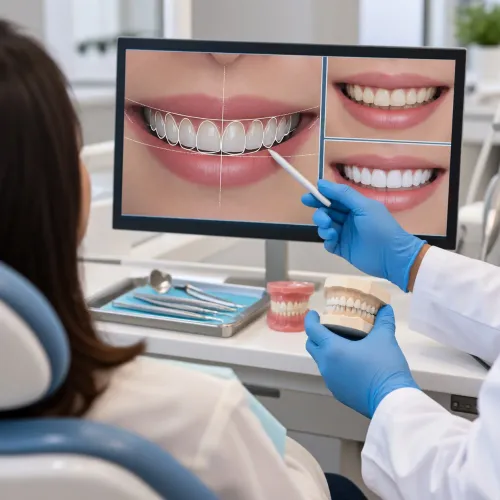
The sequence starts with records and planning, not extraction. The clinician takes denture impressions or digital scans, examines the gums, bone, and supporting tissues, and records the jaw relationship with a bite registration.
- Select tooth size, shape, and shade with you, considering facial proportions, lip support, age, and your preferences.
- Set the artificial teeth in wax and arrange a try-in. Check appearance, speech, tooth position, and bite before approving the final acrylic denture.
- Plan extraction timing and choose between these approaches:
| Option | What happens | Main trade-off |
|---|---|---|
| Immediate dentures | Inserted on the day the remaining teeth are extracted | Preserve appearance during healing, but shrinking tissues often cause pressure points and looseness |
| Conventional complete dentures | Made after extraction sites and gums heal | Usually provide a more stable final fit, but require time without the final denture during healing |
Immediate dentures frequently need pressure-point adjustments, relining, or replacement as the ridges change. The timing for conventional complete dentures depends on tissue healing and the treatment plan.
At delivery, the clinician checks the denture’s extension, bite contacts, speech, retention, and any sore areas. Adjustment visits are normal, especially during the first weeks; report pain rather than tolerating it. Do not grind, bend, glue, or repair a denture at home.
Removing material can permanently change its fit, and a home repair can create new pressure or bite problems.
What should you expect while adapting to and maintaining complete dentures?
Expect altered speech, extra saliva, denture sore spots, and awkward chewing during denture adaptation. These changes often improve as your tongue and cheek muscles learn to control the appliance. Practise with soft foods, small pieces, and deliberate chewing on both sides.
An upper denture usually gains more support from its broad palate-bearing area. Lower denture stability is harder to achieve because the tongue and cheeks move against a smaller supporting ridge. Ridge shape, saliva, muscle control, and the accuracy of the fit all matter.
Later jawbone resorption can change the ridge and loosen a denture that once fitted well. Hard, sticky, and very chewy foods may remain difficult because dentures do not function like natural teeth.
- Remove dentures at night unless your dentist gives a specific reason to wear them.
- Clean dentures outside your mouth with a soft brush and denture cleanser; avoid abrasive ordinary toothpaste.
- Clean your gums, tongue, and palate every day.
- Rinse and handle dentures over a folded towel or basin of water to reduce breakage risk.
- Use denture adhesive only as directed, not to compensate for a poor fit.
Arrange a dental assessment for persistent pain, repeated slipping, cracks, or ulcers; do not grind, glue, or repair the denture at home. Regular reviews check tissues, fit, bite, wear, infection, and lesions the denture may conceal.
Frequently asked questions
Which dental problems can lead to a complete-denture recommendation?
Complete dentures may be recommended after complete tooth loss, when remaining teeth are hopeless, with advanced periodontal disease, or after planned full-mouth extraction. Teeth that can be predictably preserved should not be removed solely because many teeth are missing.
How do complete dentures compare with other replacement options?
Complete dentures are removable and avoid implant surgery, but they can move during chewing and require adaptation. Alternatives include implant-supported overdentures, fixed implant bridges, or preserving and restoring selected teeth when the clinical assessment supports those options.
What does the assessment involve before teeth are removed or dentures are designed?
The assessment reviews your medical history, gum and bone condition, tooth prognosis, bite, jaw relationships, oral tissues, imaging, hygiene, expectations, and whether implants or tooth preservation are feasible.
What happens from extraction planning to complete-denture delivery?
The process can include treatment planning, staged or full-mouth extractions, healing, impressions or digital records, bite registration, a trial arrangement, fabrication, insertion, and adjustment appointments. Immediate dentures require design before extraction and later relining or replacement as tissues heal.
What should you expect while adapting to and maintaining complete dentures?
Expect a learning period for speech, chewing, insertion, and removal. Clean the dentures and your mouth daily, remove dentures as directed—usually overnight—store them in water when appropriate, avoid hot water, and attend reviews for sore spots, looseness, or relining.