Bleeding gums are often treated as a minor inconvenience, yet persistent gum disease can gradually damage the tissues and bone supporting the teeth. In certain advanced cases, routine cleaning alone may not provide sufficient access to deeply affected areas. This is where periodontal Flap Surgery may be considered.
For adults in Amanora, Pune, Maharashtra, understanding the difference between routine gum cleaning and surgical periodontal treatment can help remove some of the uncertainty surrounding advanced gum care.
How Gum Disease Progresses
Gingivitis is an early stage of gum inflammation. Common signs include redness, swelling, and bleeding during brushing.
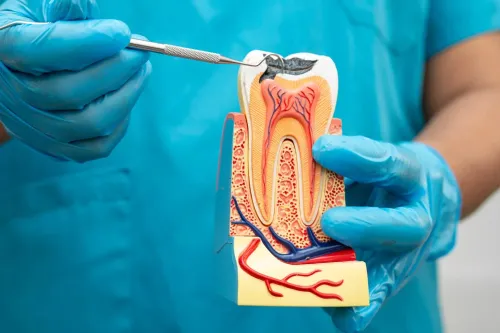
When inflammation progresses deeper, periodontal disease can affect the supporting tissues around teeth. Pockets may develop between the teeth and gums, creating spaces where plaque and calculus can accumulate.
Possible warning signs include:
- Repeated gum bleeding
- Persistent bad breath
- Gum recession
- Tooth sensitivity
- Swollen gums
- Pus around the gumline
- Increasing spaces between teeth
- Loose teeth
Not every patient with these symptoms needs surgery. A periodontal examination is required to determine the extent of disease.
What Flap Surgery Is Designed to Achieve
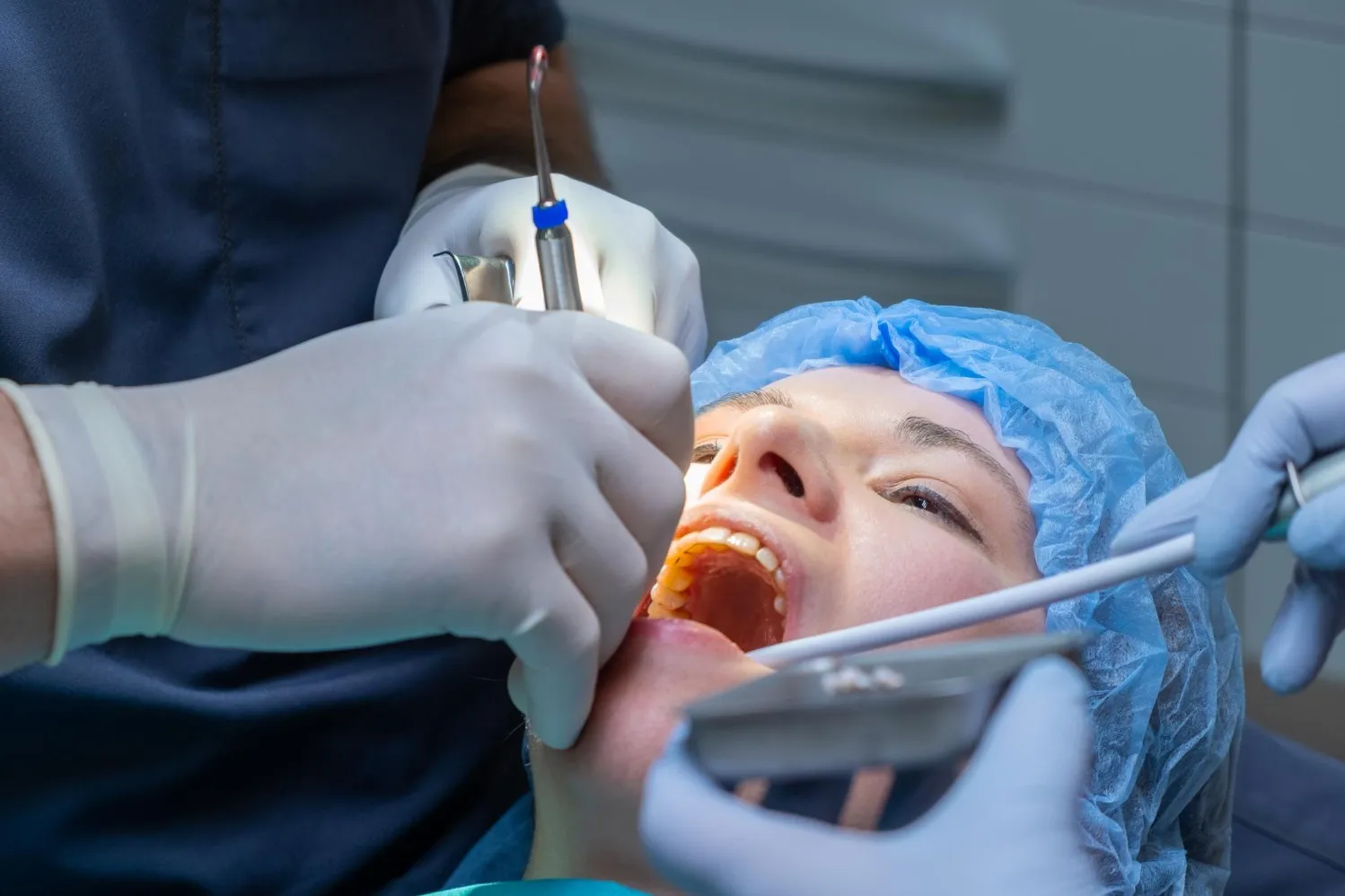
During periodontal flap surgery, the gum tissue is carefully accessed so the dentist can see areas around the tooth roots and supporting structures that are difficult to reach through routine cleaning.
Deep deposits and affected tissue can then be managed under direct visibility. Depending on the periodontal condition, additional procedures may be considered.
The purpose is to create an environment that is easier to maintain and to help control periodontal disease. It does not eliminate the need for daily plaque control.
Why Initial Gum Treatment Matters
Surgical treatment is generally not the first step for every gum problem. Professional cleaning, scaling, root surface debridement, oral hygiene improvement, and reassessment may be undertaken first where appropriate.
The response to initial therapy provides useful information. If deep periodontal pockets remain and continue to create areas that cannot be predictably cleaned, further treatment may be discussed.
Recovery Requires Patient Participation
After periodontal treatment, following postoperative instructions is important. Patients may need to modify brushing temporarily around the surgical area, use prescribed oral-care measures, and attend follow-up appointments.
Long-term maintenance is equally significant. Periodontal disease can recur if plaque control deteriorates.
Smoking, poorly controlled diabetes, inconsistent cleaning, and missed maintenance appointments may affect gum health and treatment outcomes.
Keeping Natural Teeth Healthy
Advanced periodontal care is ultimately focused on protecting the structures that support natural teeth whenever clinically feasible.
At Dr. Panjiar's Multispeciality Dental Centre, patients with persistent gum concerns can undergo evaluation to determine the extent of periodontal involvement and the treatment suitable for their condition.
For people around Amanora and neighbouring Pune areas, the key message is straightforward. Repeated gum bleeding, recession, mobility, and persistent bad breath deserve attention. Early periodontal care may reduce the likelihood of disease progressing to a stage where more extensive intervention becomes necessary.
Keywords