A wisdom tooth does not always cause problems, but when it does, the discomfort can interfere with eating, speaking, and even sleeping. Many people first notice occasional pain at the back of the mouth and assume it will disappear on its own. However, recurring discomfort, swelling, or difficulty opening the mouth may indicate that the wisdom tooth requires professional evaluation.
For people living in Fatima Nagar, Pune, understanding when wisdom tooth removal becomes necessary can help prevent complications and protect overall oral health.
What Is a Wisdom Tooth?
Wisdom teeth are the last set of molars to erupt, usually appearing between the ages of 17 and 25. Most adults develop four wisdom teeth, one in each corner of the mouth.
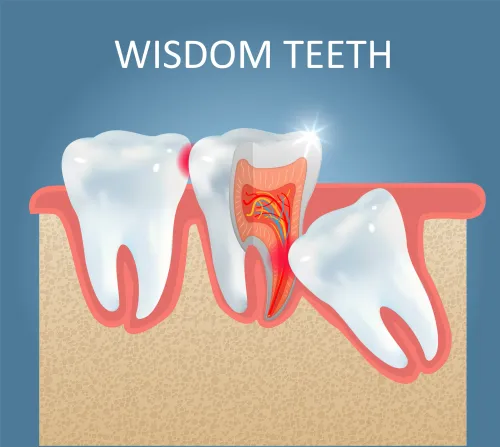
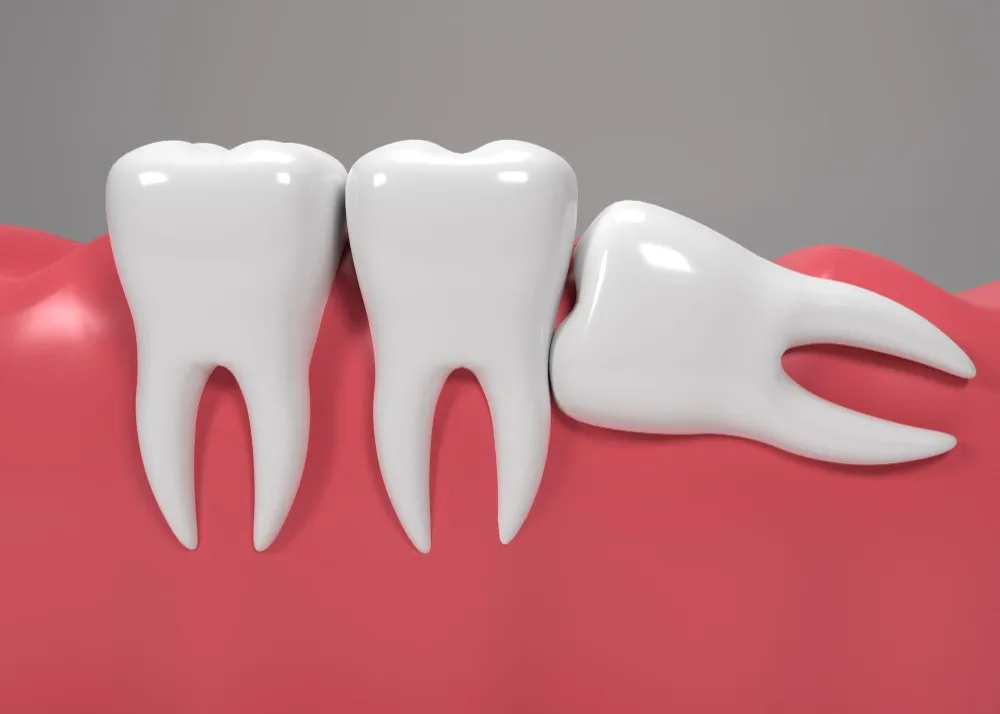
While some wisdom teeth erupt normally without causing any issues, others remain partially or completely trapped beneath the gums or jawbone. These are known as impacted wisdom teeth and are more likely to create dental problems.
Why Do Wisdom Teeth Cause Problems?
Modern human jaws are often smaller than those of previous generations, leaving limited space for wisdom teeth to erupt properly.
As a result, wisdom teeth may:
- Grow at an angle
- Remain partially erupted
- Stay completely impacted
- Press against neighbouring teeth
- Create areas that are difficult to clean
These situations increase the risk of infection, tooth decay, and gum disease.
Common Signs That a Wisdom Tooth Needs Attention
Not every wisdom tooth requires removal. However, certain symptoms should never be ignored.
These include:
- Pain at the back of the mouth
- Swollen or tender gums
- Difficulty chewing on one side
- Bad breath despite brushing
- Food getting trapped around the tooth
- Repeated gum infections
- Difficulty opening the mouth fully
- Swelling near the jaw
If these symptoms occur repeatedly, a dental examination can identify the underlying cause.
When Is Wisdom Tooth Removal Recommended?
Your dentist may advise extraction if the wisdom tooth is causing current problems or has a high likelihood of creating future complications.
Removal is commonly recommended when the tooth:
- Is impacted
- Causes repeated infections
- Damages neighbouring teeth
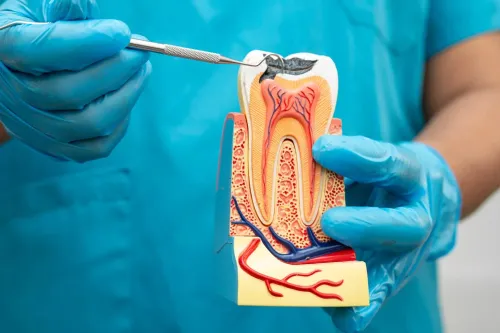
- Develops extensive decay
- Contributes to cyst formation
- Makes orthodontic treatment difficult
- Causes persistent pain or swelling
The decision is based on clinical examination and dental imaging rather than symptoms alone.
How Is the Procedure Performed?
Many patients delay treatment because they fear the extraction itself. In reality, modern wisdom tooth removal is carefully planned to maximise comfort.
The procedure generally includes:
Clinical Examination
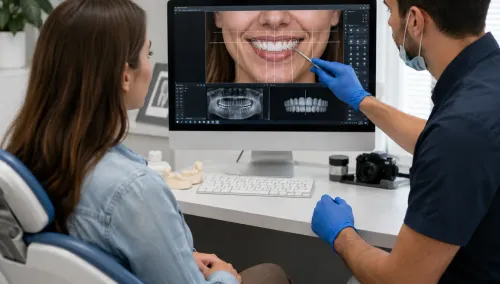
The dentist evaluates the tooth, surrounding gums, and jaw using digital X-rays or advanced imaging.
Local Anaesthesia
The area is completely numbed before the procedure begins, ensuring the patient remains comfortable throughout.
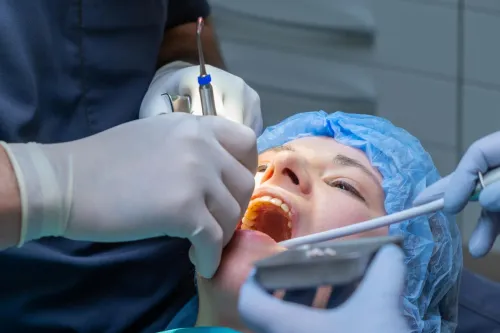
Tooth Removal
Depending on the tooth's position, the dentist may remove it in one piece or in smaller sections to minimise stress on surrounding tissues.
Recovery Guidance
Detailed instructions are provided to promote proper healing and reduce the risk of complications.
Recovery After Wisdom Tooth Removal
Healing varies from one person to another, but most patients recover smoothly by following post-operative instructions.
Helpful recovery tips include:
- Rest during the first 24 hours
- Apply cold packs to reduce swelling
- Eat soft foods for a few days
- Avoid smoking and alcohol during healing
- Maintain oral hygiene without disturbing the extraction site
- Take prescribed medications as directed
Following these instructions supports comfortable healing and lowers the risk of infection.
Can Delaying Removal Cause Problems?
Postponing treatment when a wisdom tooth is already causing symptoms may increase the chances of developing more serious dental issues.
Potential complications include:
- Recurrent gum infections
- Tooth decay affecting nearby teeth
- Gum disease
- Jaw discomfort
- Difficulty maintaining oral hygiene
- Damage to adjacent molars
Early evaluation often allows treatment before these complications become more severe.
Is Every Wisdom Tooth Removed?
No. Many wisdom teeth remain healthy and functional throughout life without requiring extraction.
A dentist will usually recommend keeping the tooth if it:
- Has erupted completely
- Is easy to clean
- Functions normally
- Does not affect neighbouring teeth
- Shows no signs of disease
Regular dental examinations help monitor wisdom teeth over time and identify changes before symptoms become significant.
Timely Evaluation Supports Better Oral Health
Pain at the back of the mouth should never be ignored, especially if it keeps returning. A proper diagnosis helps determine whether the discomfort is caused by the wisdom tooth or another dental condition requiring attention.
Residents of Fatima Nagar increasingly seek early dental evaluation to prevent complications associated with impacted wisdom teeth. Dr. Panjiar's Multispeciality Dental Centre provides comprehensive assessment and personalised treatment planning for wisdom tooth removal, using modern diagnostic techniques and patient-focused care to ensure safe, effective, and comfortable treatment whenever extraction becomes necessary.
Keywords